🇭🇺 Viktor Orbán: The Man Who Made Conservatism Cool Again

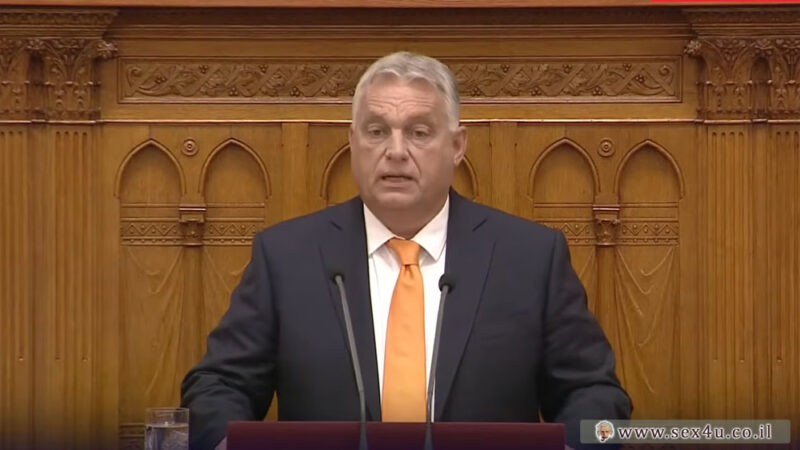
Viktor Orbán is not the kind of figure you glance at and move on.
He’s the man who filled the political vacuum of Central and Eastern Europe — a leader who reinvented the term “Autocratic Chic.”
A blend of nationalist intent, surgical propaganda management, and political tactics that keep Brussels in a constant state of unease.


But who is the man who speaks of “freedom, normality, and nationhood,” while managing to dismiss his critics as “enemies of the people”?
Let’s break him down — not just as a realpolitik strategist, but as a political brand, a master of imagery, and a key architect in Europe’s 2025 geopolitical map.
A Small Country, Big Security
In a world where leaders apologize for existing, Orbán is one of the few still speaking in terms of borders, nation, and — heaven forbid — values.
While Western Europe surrenders to migration chaos, tiny Hungary has quietly become one of the safest countries on the continent.
You can walk through Budapest after midnight without fearing a “cultural surprise,” and the police don’t need a diversity checklist before responding to a crime.
Unapologetic Conservatism
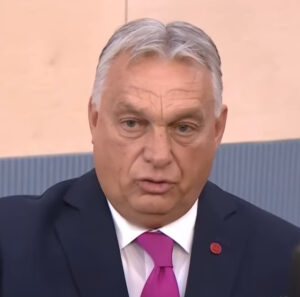 Orbán built a new-old model: a state where family is an asset, national identity is a source of pride, and faith isn’t a dirty word.
He offers generous incentives for families, invests in national education, and promotes Hungarian culture instead of importing progressive orthodoxy from abroad.
The result? Rising birthrates, plummeting illegal immigration, and an island of stability in a sea of Western confusion.
Europe Complains — Hungarians Vote
Brussels calls him a “dictator,” yet his citizens keep voting him back into office.
Maybe that’s because, while others talk about security, Orbán actually delivers it.
While Europe trembles at its own shadow, Hungary posts some of the lowest crime rates in the EU.
And while other leaders attend climate summits and diversity panels, Orbán prefers talking about electricity bills, kids, and who exactly lives within his borders.
When National Interest Becomes Sexy Again
What sets Orbán apart from most of Europe’s polished technocrats is simple:
He genuinely believes a Prime Minister’s first duty is to his own people.
Not to Brussels. Not to CNN. And definitely not to the Twitterati of North London.
In Hungary, conservatism isn’t nostalgia — it’s strategy.
And the quiet envy with which more and more European nations are watching him says it all.
From Rebel to Ruler: The Historical Bathtub Story
Orbán’s story began as that of a young, idealistic reformer — a voice of freedom during the fall of the communist bloc.
From student activist to NATO darling, he was once the poster boy of liberal democracy.
Then came the transformation: from rebel to nation-builder.
He recast himself as the guardian of Hungarian identity, weaving together political, economic, and cultural institutions into a single, durable power network.
In an era where media and politics invade private life, Orbán mastered the game — turning TV, social media, and state-linked businesses into a cohesive ecosystem of influence.
Is He a Conservative — or Just a Border Warrior?
For Europe’s right-wing, Orbán is the gold standard of modern conservatism:
A defender of Christian-European culture, hard borders, and a firm rejection of liberal identity politics.
For Brussels, he’s a populist troublemaker armed with charm and spreadsheets.
He turned immigration from a socio-economic question into a battle for civilizational survival.
His ironclad border policy, rigid laws, and constant emphasis on “order and security” make him a hero to some and a cautionary tale to others.
Bloomberg recently reported on moves to restrict public dissent and foreign-funded NGOs — a reminder that in Hungary, conservatism is no longer just an ideology; it’s a mechanism of control.
Brussels and Beyond: An Uneasy Relationship
Orbán treats the European Union like a meddling aunt who overstayed her welcome.
He rails against what he sees as bureaucratic imperialism, opposing Brussels on budgets, migration, relations with Russia, and “rule of law” debates.
In 2025, amid rising tensions between Central Europe and Brussels, Orbán declared that “Europe has chosen to go to war against nations like Hungary.”
He invited citizens to sign petitions against EU policies — a masterstroke in turning grievance into solidarity.
What he’s really offering is an alternative Europe: a “two-circle” union, where core liberal powers dominate one sphere, while Hungary and its allies build a more traditionalist bloc.
It’s risky geopolitics — but politically, it works.
The Migration-Antisemitism Equation
Orbán often links mass migration to rising antisemitism — a sensitive and controversial argument.
He claims that uncontrolled migration imports radical ideologies and fuels hate crimes.
Critics say it’s a manipulative overgeneralization that stigmatizes minorities.
Yet, he also presents Hungary as one of Europe’s safest countries for Jewish communities, boasting a “zero tolerance” policy toward antisemitism and appointing officials to combat hate.
Publicly, it sounds reassuring; politically, it’s convenient.
Hungary’s Jewish community has indeed enjoyed relative safety, but Orbán’s use of their security as a political validation tool raises questions about authenticity versus optics.
Pro-Israel or Simply Pragmatic?
Orbán’s relationship with Israel is as warm as it is transactional.
He’s aligned with several right-leaning Israeli governments on issues of sovereignty and national pride, while occasionally clashing on foreign policy nuances.
It’s less about ideology and more about mutual interests — trade, tourism, and a shared distaste for Western hypocrisy.
Between Moscow, Kyiv, and Brussels
Orbán has long walked the diplomatic tightrope — maintaining cordial ties with both Russia and the West.
In 2025, he warned that admitting Ukraine into the EU would mean “inviting war” into Europe’s borders.
Instead, he advocates for bilateral partnerships over sweeping integrations — positioning himself as the “rational nationalist” in a hysterical geopolitical theater.
It plays well at home. Less so in NATO briefings.
In short, Orbán’s foreign policy is pragmatic nationalism: not pro-Russian, not anti-European — just pro-Hungarian.
Democracy on a Diet
Since his rise to power, Orbán has systematically reshaped Hungary’s institutions: constitutional reforms, pressure on courts, media consolidation, and tighter control over education.
Supporters call it “stability.” Critics call it “managed democracy.”
Either way, the price of order is the erosion of dissent.
A nation can only consolidate for so long before the boundaries of stability start looking like walls.
The Israeli Angle: Lessons and Warnings
For Israelis observing Orbán, there are two main takeaways:
- His projection as a “protector of European Jews” opened diplomatic channels — but the social reality on the ground remains nuanced.
- His alliance with Israel is one of strategic convenience: aligned values and mutual benefits, not unshakable ideological kinship.
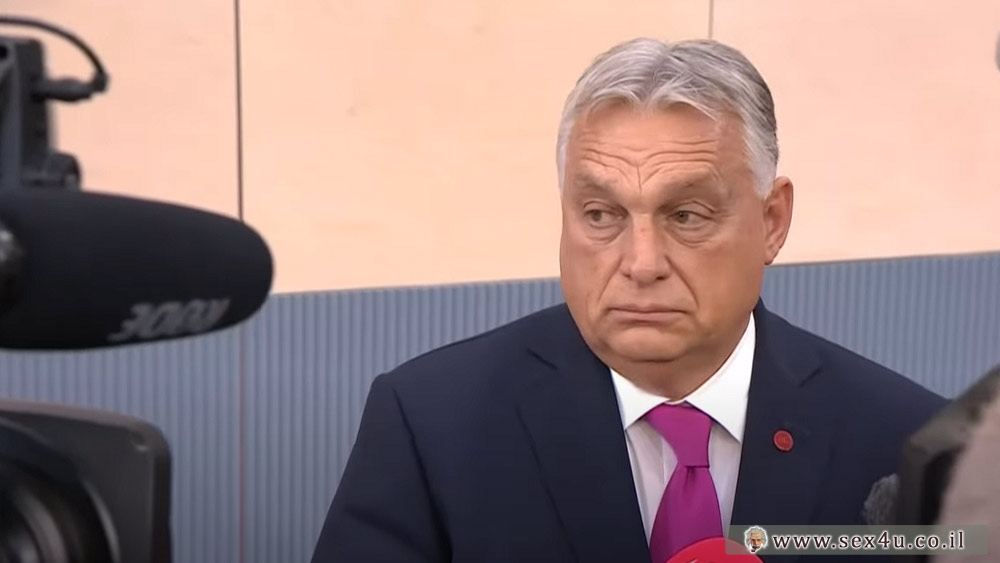
A Different Vision for Europe
Orbán envisions a looser European federation — a “partnership of nations” rather than a centralized bureaucracy.
It’s a vision that appeals to voters feeling alienated by Brussels’ elite, but one that risks fragmenting the EU’s ability to act collectively on the global stage.
The Final Puzzle Piece
Viktor Orbán is a rare hybrid: part nationalist, part strategist, part brand.
He has fused conservative rhetoric, media control, border security, and pragmatic diplomacy into a single, effective identity.
He’s proof that stability sells — even at the expense of pluralism.
The uncomfortable truth? Orbán is Hungary — and anyone trying to understand Europe in 2025 cannot ignore him.
The only question that remains: when a leader becomes a brand, does accountability become just another PR move?
If you like the idea of a nation that “knows what’s good for itself,” take a good look in the mirror — because Viktor Orbán just sold you a better one.
הירשמו כדי לקבל את הפוסטים האחרונים אל המייל שלכם