Anatomy of the First “Jewish Mother”


A Cultural DNA Test to Trace the Origins of Jewish Guilt, Passive-Aggression, and the Sacred Sigh
Introduction: When “Nu, Never Mind” Became an Ideology
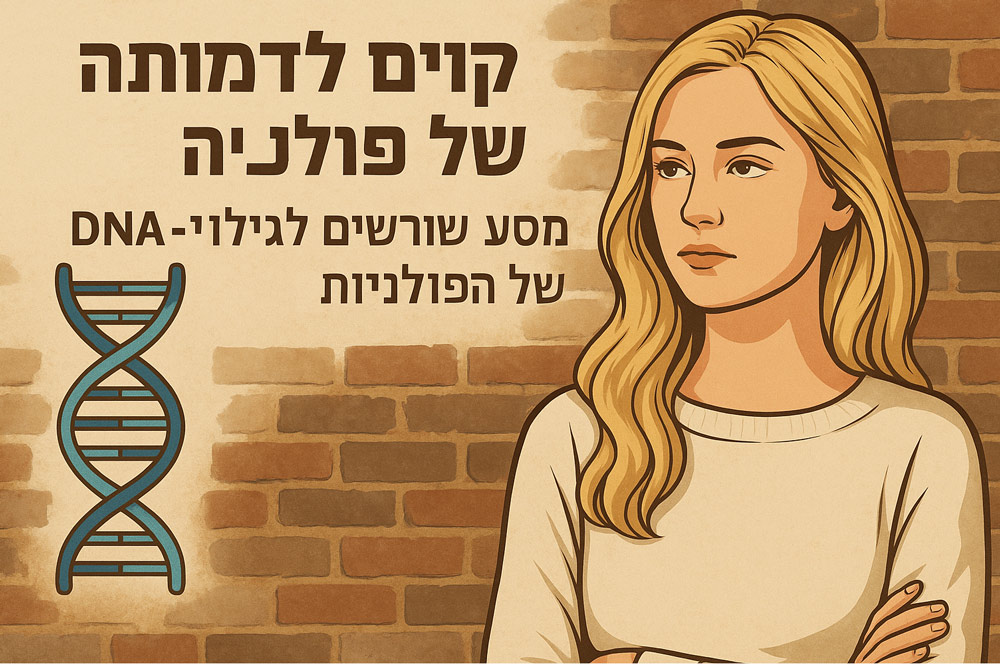
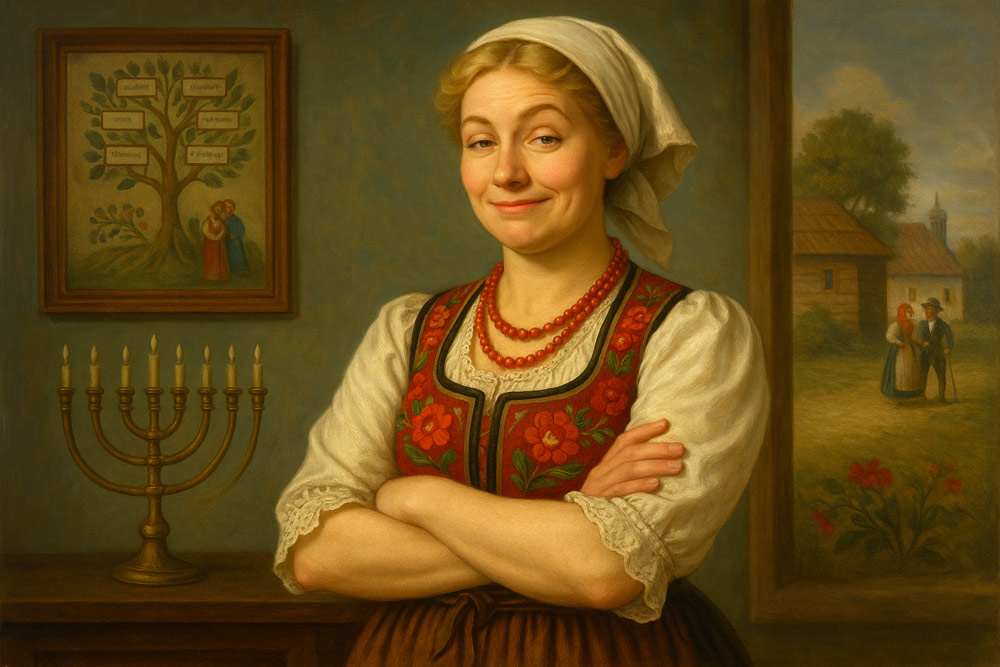
In Israel we call them “Polaniot” – meaning: “The Polish Mother” / “The Polish Woman”


Some figures are so deeply embedded in Israeli culture that it feels like they existed long before the state itself. Before Tel Aviv. Before Abu Hassan hummus. Possibly even before Ben-Gurion and the pompadour.
One of them is, without question, the Polish Mother.
Not a person. An institution.
A force of nature.
Some would argue: a state within a state.
She is the woman who says, “It’s fine, I don’t need anything, I’ll just die quietly on the side,”
while very much needing something. Immediately. Specifically. And with receipts.
She sighs with the dramatic weight of a Tolstoy novel because you forgot a sweater.
She doesn’t accuse – she disappoints.
And somehow, even when you’re innocent, you feel guilty. Deeply. Physically. In your bones.
The Polish Mother is not understood. She is felt.
Like northern wind, chronic anxiety, and the inexplicable fear of touching public door handles.
But who was the first Polish Mother?
Where did this DNA come from – the gene that activates guilt even without context?
Is it biology, culture, or the most successful multi-generational conspiracy Judaism has ever produced?
The Ancient Jewish Mother: Somewhere Between Egypt and Pierogi
Let’s go back. Not to the Holocaust – she’ll take us there herself in every third conversation anyway – but much further. To the Bible.
Wasn’t Sarah, our matriarch, the prototype?
Sending Abraham to expel Hagar and her son because it “just didn’t feel right energetically in the tent”.
Rachel and Leah?
A passive-aggressive baby-making competition so intense Jacob never emotionally recovered.
And at Mount Sinai, we were the only people who said “We will do and we will hear” –
and immediately complained about the food.
The manna wasn’t like home.
Jewish Polish Mother energy? Absolutely.
Poland: Homeland or Branding Exercise?
Legend has it the Polish Mother was born somewhere between Łódź and Kraków.
She wore a fur coat in July and opened every conversation with:
“Nu, look at you, do you even eat?”
But was Poland really the source – or just the label?
For centuries, Poland was home to Ashkenazi Jews. A cold place, physically and historically.
Out of pogroms, antisemitism, existential dread, and constant insecurity emerged a survival culture:
overprotective, suffocating, sarcastic – and allegedly loving. In theory. Kind of.
She wasn’t a Polish Mother because she lived in Poland.
She was a Polish Mother because Poland required her to be one.
Warmth, in an age of frozen coal stoves.
Immigration to Israel: When the Polish Mother Got Wings (Frozen Ones)
In Israel, the Polish Mother evolved into a full-blown art form.
She was no longer just a bitter woman scolding children.
She became an icon.
The only human capable of expressing disappointment in the tone of “I just wanted to help”.
The woman who makes you feel sick because you didn’t wear a scarf.
Who books a doctor’s appointment without asking because:
“I knew you wouldn’t take care of yourself, so I did it for you. Like always.”
She gave us immortal phrases such as:
“Don’t worry about me, I’ll manage. I’ll die quietly.”
And the invaluable life skill of “speaking loudly while technically saying nothing”.
The Israeli Polish Mother isn’t just a mother.
She is also a psychologist, physician, couples therapist, weather forecaster (“It’ll be cold later, wear an undershirt”),
and most importantly – walking, breathing collective guilt.
The Polish Mother in Pop Culture: A Star Without an Audition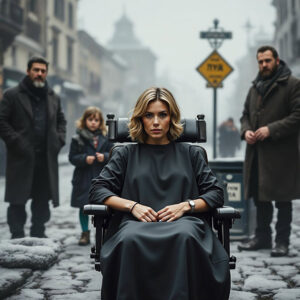
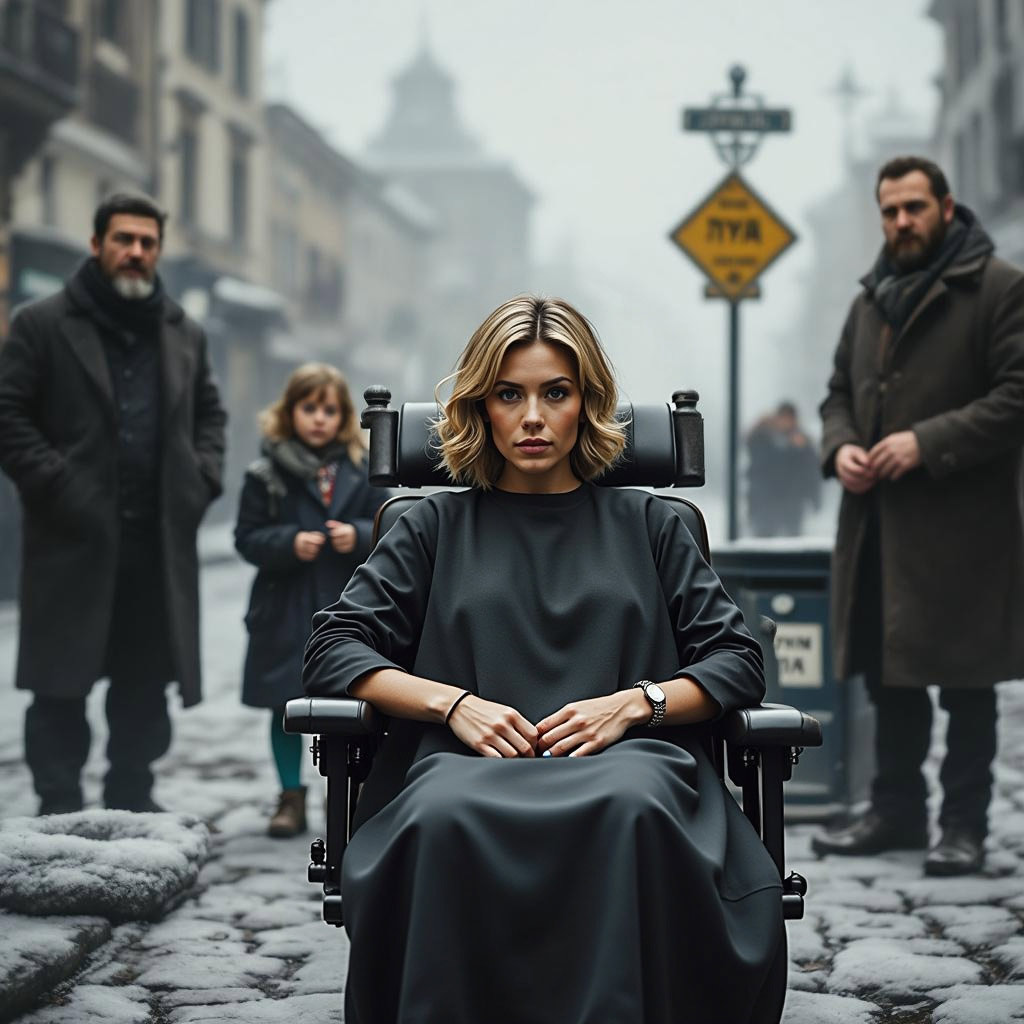
Theater. Film. Stand-up. Cooking shows.
The Polish Mother appears everywhere.
She transcends generations, climates, and hairdos.
Shayke Ophir, Gashash, Tzipi Shavit – all found room for her.
Why?
Because the Polish Mother is like vodka at a family event:
sometimes it burns, sometimes you laugh, but it’s always there.
She is no longer a character.
She is a genre.
A Jewish sitcom with no laugh track – because the laughter is internal and uncomfortable.
Extinction or Upgrade?
In the age of WhatsApp and emotional therapists, is the Polish Mother still alive?
Oh yes. She’s just updated her software.
Today she sends you a link about a child whose legs stopped working because he didn’t drink tea.
She tracks you live on Waze and texts: “Drive slowly, I’m watching.”
She sends a heart emoji – followed by a sigh.
There is even a vegan Polish Mother.
She doesn’t ask “Did you eat?”
She asks: “Only sweet potatoes? That’s what fills you up?”
There’s the modern version too – with a Facebook account, 17 followers, and captions under your photos:
“My son! Pride, despite everything!”
The Polish Mother Has No Age – Only Emotional Mass
The Polish Mother is not a myth.
She is a cultural genetic payload, transmitted through the air like an emotional virus.
She is unconditional love mixed with total distrust in your life choices.
She knows what’s good for you – and it’s never what you want.
She worries for you, is offended by you, angry on your behalf, and drives you insane – all in one sentence.
And let’s be honest:
As we age, we all slowly become a little Polish Mother ourselves.
One day, you catch yourself saying:
“Wear a sweater, it’s cold. Nu, no – don’t wear one, you’ll get sick, what do I know anyway…”
And somewhere in the background, a sigh is heard.
A Polish Mother.
Satisfied.
Almost.
הירשמו כדי לקבל את הפוסטים האחרונים אל המייל שלכם