Iran on the Edge

Will 2026 Mark the Fall of the Islamic Republic – and Does Israel Have a Role?
The protests unfolding across Iran are not another “wave of unrest.”
They are not a social-media trend, not a symbolic outcry that fades once the headlines move on, and not a moral performance staged for Western cameras. They are a symptom – and symptoms usually point to something far deeper.


Iran in early 2026 is a country where trust has evaporated. Not in the Supreme Leader, not in the government, not in promises of a “resilient economy,” and not in lectures about national dignity delivered while household incomes collapse and the currency disintegrates.
This time, the anger is not abstract. It is personal.

Not a Cultural Protest – a Survival Crisis
Unlike previous uprisings that revolved around symbolic issues – dress codes, policing, or individual rights – the current unrest is rooted in something more dangerous to authoritarian regimes: economic despair combined with generational exhaustion.
Merchants, students, industrial workers, and a shrinking middle class are reaching the same conclusion from different angles:
the regime sells imperial ambition while delivering third-world living standards.
When chants move from “reform” to “death to the dictator,” a line has been crossed. And when those chants echo not in isolated towns but in major urban centers, the regime understands the shift instinctively.
This is no longer about managing dissent. It is about buying time.
Can the Islamic Republic Actually Collapse?
The honest answer is uncomfortable for both optimists and skeptics: yes – but not easily, and not necessarily soon.
The Islamic Republic is not a fragile experiment. It is a hardened system:
a security state with ideological militias, economic monopolies, surveillance mechanisms, and decades of experience crushing internal revolt. The regime has demonstrated repeatedly that it is willing to kill its own citizens to survive – without hesitation and without apology.
Yet repression has limits. It can silence voices, but it cannot reverse economic collapse. It cannot restore legitimacy. And it struggles against a generation that no longer fears the system – or believes it serves any purpose beyond preserving itself.
Authoritarian regimes rarely fall when people shout at them.
They fall when people stop believing they are necessary.
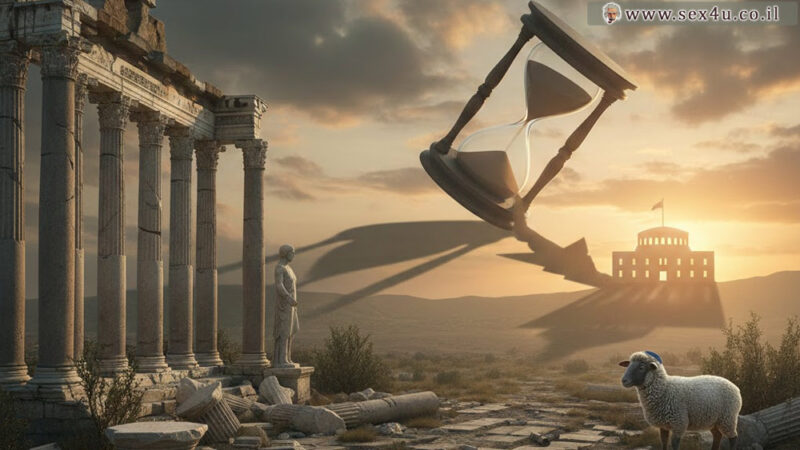
2026 may mark a turning point. It may also prove to be only another chapter in a longer, uglier unraveling. Revolutions are not scheduled events; they are the end result of prolonged decay.
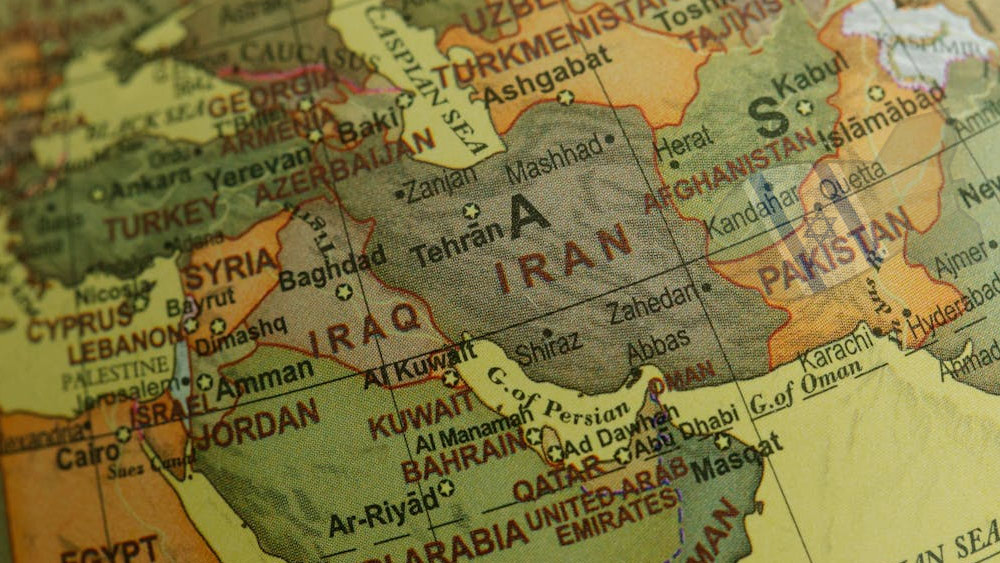
Israel: Silent Observer or Convenient Scapegoat?
Which brings us to the question everyone whispers but rarely answers honestly:
Will Israel help the protesters?
The direct answer is no – at least not in the romantic sense often imagined in Western commentary.
Israel is not a human-rights NGO, nor a liberation movement. It is a state driven by security interests:
containing Iran’s nuclear ambitions, weakening the Revolutionary Guards, and maintaining regional deterrence.
Open support for internal Iranian protests would be strategically foolish and politically counterproductive. It would hand Tehran exactly what it wants: proof – manufactured or not – that “Zionist interference” is behind domestic unrest.
That does not mean Israel is irrelevant.
Support, if it exists, is indirect: intelligence exposure, cyber operations, sanctions coordination, psychological pressure – actions aimed at weakening the system, not leading the street.
Those expecting Israel to “save” Iran’s protesters misunderstand both Israel and revolutions.
Real revolutions are not imported. They happen when a society implodes from within.
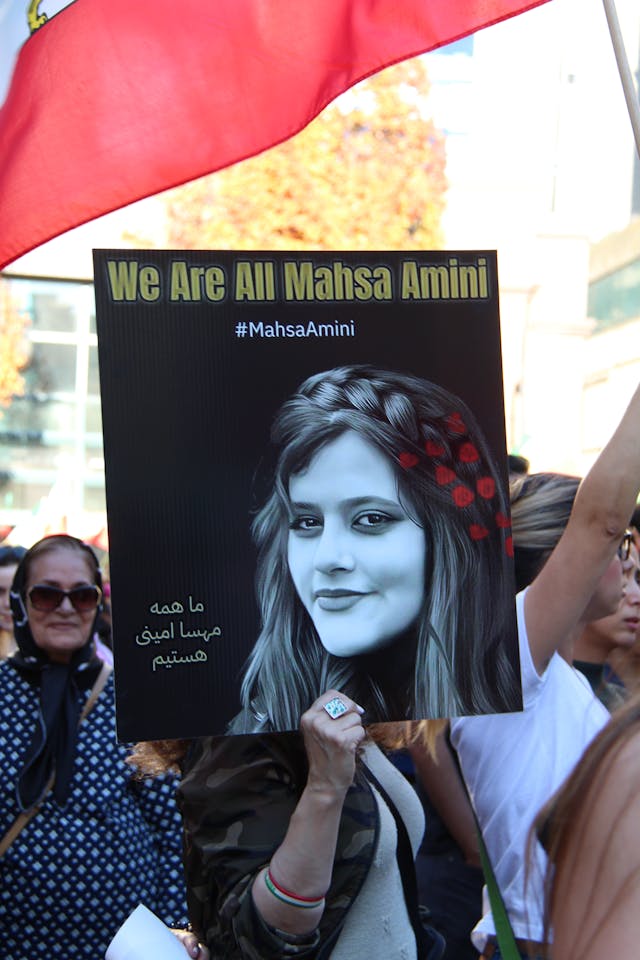
And If the Regime Falls?
This is the question Western audiences often avoid.
The collapse of the Islamic Republic does not guarantee a liberal, democratic, pro-Western Iran.
It could just as easily produce fragmentation, internal conflict, or a different form of authoritarianism – one without clerics, but with familiar instincts.
From Israel’s perspective, the scenario is complex and dangerous.
A strong enemy is predictable.
A weak enemy is volatile.
A collapsing state – armed, ideological, and unstable – may be the most dangerous of all.
The Bottom Line – No Illusions
The protests in Iran are real, deep, and existentially threatening to the regime.
2026 may become a year of reckoning – but not necessarily a year of resolution.
Israel will continue to watch carefully, act quietly, and avoid becoming the story.
Because the truth remains unglamorous: legitimacy cannot be restored by force, and fear cannot sustain a state forever.
The Iranian public is not marching because it believes in speeches.
It is marching because it has stopped believing in the system itself.
And when belief collapses, even the most entrenched regimes eventually discover the same lesson:
power can repress – but it cannot resurrect trust.
הירשמו כדי לקבל את הפוסטים האחרונים אל המייל שלכם