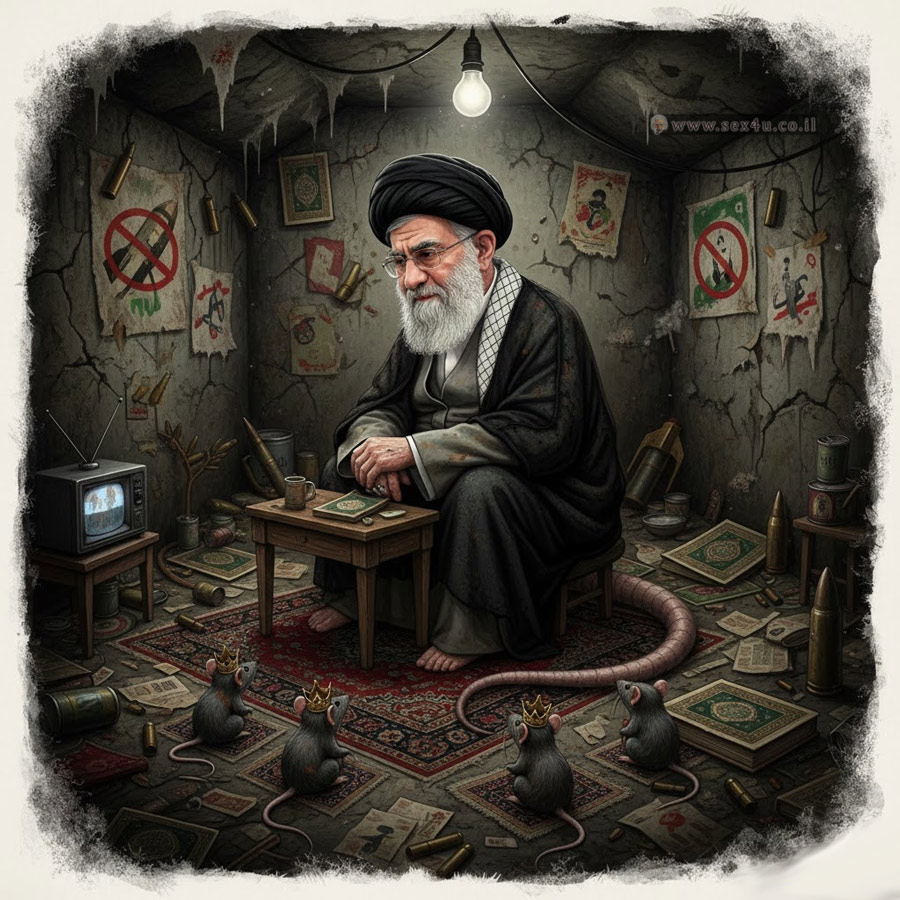
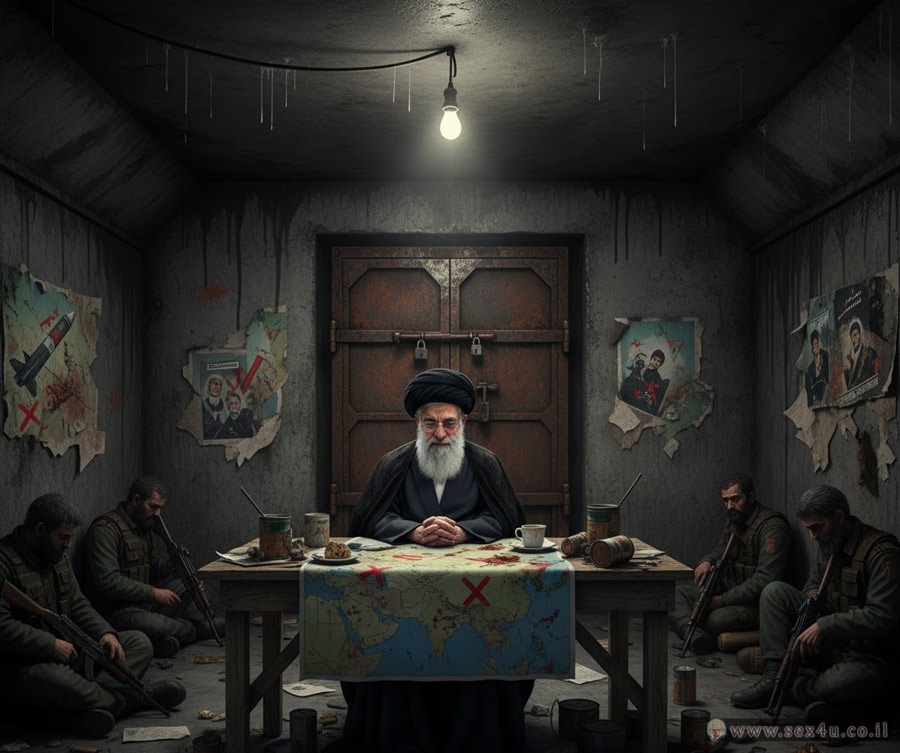
Is Khamenei Really “Hiding Like a Scared Mouse”?

Or Is the West Watching Iran Through a Fantasy Filter?
Every time protests erupt in Iran, the ritual repeats itself with religious precision.


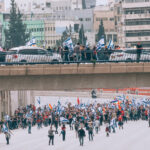
Crowds flood the streets.
Videos go viral.
Twitter explodes.
And then comes the headline:
“Khamenei is hiding.”
“The regime is collapsing.”
“This is the beginning of the end.”
Sometimes, for dramatic effect, they add:
“A frightened mouse.”
-- פרסומת --
It’s the moment when we should stop scrolling, sip our coffee, and ask an uncomfortable question:
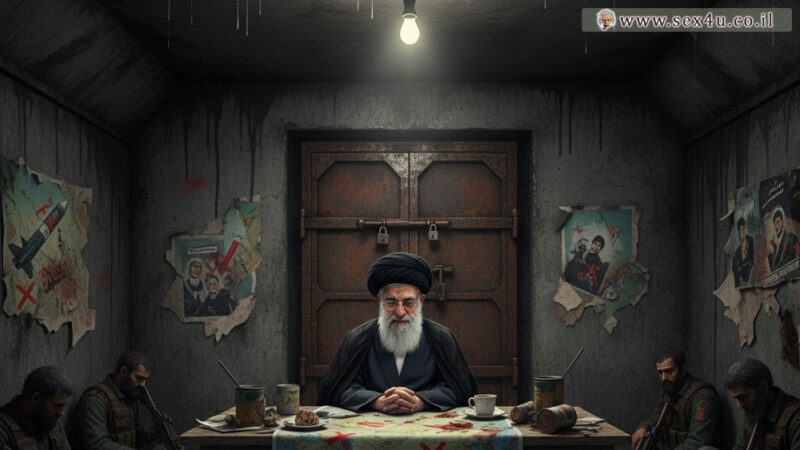
Is Iran’s Supreme Leader actually trembling in a bunker – or are we once again projecting Western wishful thinking onto a very un-Western regime?
SO … Is Iran’s Supreme Leader Really “Hiding Like a Frightened Mouse” –
or Is This the Moment When the Mouse Realized the Cat Is Gone?
History rarely announces its turning points politely.
More often, it drowns them in noise.
Iran has lived for years on a familiar soundtrack:
protests, viral videos, hashtags, and the inevitable headlines:
“The regime is shaking.”
“Khamenei is hiding.”
“The end is near.”

Usually, the cycle ends the same way:
arrests, blood, silence – and a new article explaining why “not yet.”
But this time feels different.
Not hopeful different.
Dangerous different.
Not the smell of freedom – the smell of fear.
And for the first time, that fear is no longer confined to the streets.
The Old Image Is Cracking: A Cautious Tyrant, a Fracturing Machine
Until now, the logic was clear.
Ali Khamenei might be old, isolated, and visibly fading – but he sat atop a system that worked.
The Revolutionary Guards.
The Basij.
The police.
The intelligence services.
A repression machine designed precisely for moments like this:
cold, professional, unromantic, unashamed.
Totalitarian regimes don’t fall when crowds shout.
They fall when the people with guns stop believing in the story.
And for the first time in decades, that story is beginning to fracture from within.
Not through speeches.
Not through declarations.
But through the most dangerous signals of all:
Police who hesitate.
Units that stall.
Orders carried out halfway.
Security forces who realize they may end up on the wrong side of history.
So Yes – Khamenei Is Hiding. And This Time It Matters.
Until recently, paranoia was a sign of strength.
Smart regimes survive through controlled fear.
But when the leader disappears precisely as security forces begin to waver, this is no longer risk management.
It’s survival instinct.
Khamenei doesn’t fear the crowds.
He fears the unanswered phone call.
The moment a commander asks a question.
The moment an order meets a pause.
The moment someone says, “Not today.”
That’s how regimes die – not in explosions, but in silence.
The Streets Are No Longer Alone
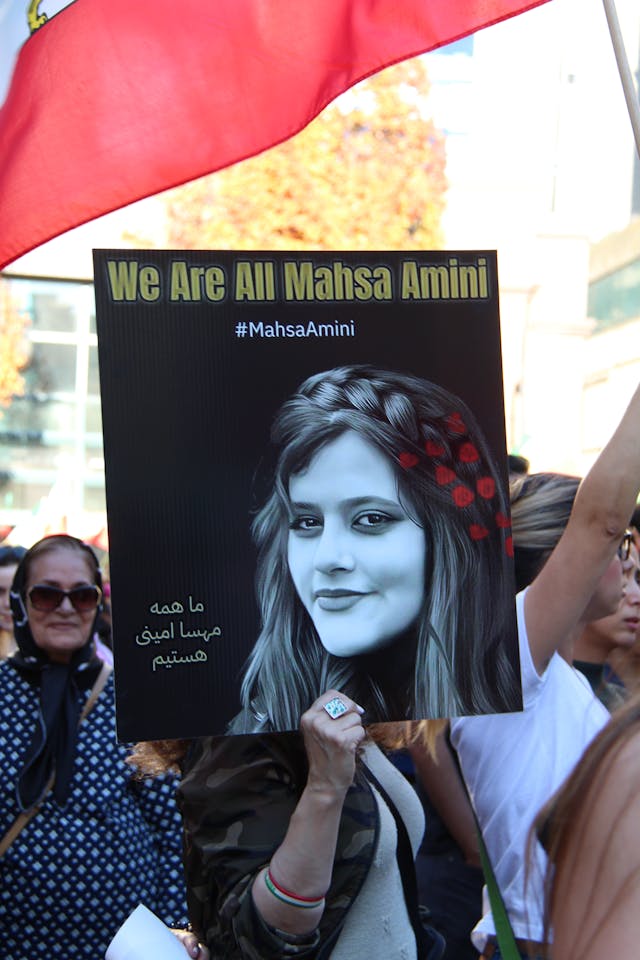
Iranian protests are not new.
The rage is old.
The younger generation has long checked out of the Islamic Revolution, its morality police, and its 1980s slogans.
What’s new is that the street is no longer naked before rifles.
It now faces men with rifles who are beginning to ask why.
That is the difference between protest and revolution.
When a security force chooses not to see, the game changes.
When a commander delays, the regime bleeds time.
When a single unit fails to show up, the myth cracks.
“The People vs. the Regime” – and Suddenly the Army Isn’t Sure
Revolutions are not won in public squares.
They are won in corridors.
And in Iran, the most dangerous condition of all has emerged:
uncertainty among armed elites.
The Revolutionary Guards were never loyal to the people.
They were loyal to ideology, power, and budgets.
But ideology doesn’t pay salaries.
It doesn’t guarantee immunity the day after.
And it doesn’t protect families when the banners come down.
Once the internal discussion shifts from “Can we crush this?” to “How do we get out alive?”
the regime enters an existential phase.
Why Do Some Still Call This a “Western Fantasy”?
Because the West always processes reality late.
It prefers sober analysis – after history has already closed the file.
But this time, the optimistic narrative isn’t just on social media.
It’s leaking into uniforms, barracks, and command rooms.
And that is exactly when Khamenei stops being a ruler
and becomes a collapsing symbol of a system that has lost equilibrium.
Khamenei Doesn’t Fear the People – He Fears the Moment No One Fears Him
The real nightmare isn’t regime collapse.
It’s what comes between collapse and whatever follows.
Khamenei understands one thing clearly:
if the regime falls, it won’t fall into a liberal democracy with flowers.
It will fall into a vacuum.
Into score-settling.
Into ethnic fractures.
Into succession wars.
That’s why he disappears.
That’s why he burrows deeper.
And that’s why every day without resolution works against him.
The West Loves a Scared Dictator
Western audiences adore the image of a panicked tyrant.
It feels morally satisfying.
It confirms our worldview.
It turns history into a Netflix mini-series with a guaranteed happy ending.
But Ali Khamenei is not a cartoon villain waiting for the final episode.
He’s not Ceaușescu on a balcony.
Not Gaddafi in a drainpipe.
And not some banana-republic strongman with a suitcase packed.
He is the product of a deeply institutionalized, ideological, and brutally pragmatic system – one that does not crumble because students chant slogans or burn posters in Tehran.
Hiding Isn’t Fear. It’s Professional Paranoia.
Yes, Khamenei keeps a low profile.
Yes, his movements are restricted.
Yes, security has tightened and public appearances are rarer.
But that doesn’t signal collapse.
That’s how seasoned Islamist regimes operate under pressure.
These systems don’t fall when they’re afraid.
They fall when they stop being afraid.
And in Iran, fear is still very much part of the operating system – especially among civilians.
Final Word: This Time, It Might Actually Be Happening
No – nothing is guaranteed.
No – there is no calendar date.
Yes – things can still reverse.
But anyone still describing this as “just another protest wave”
is speaking yesterday’s language.
Because when security forces start to move –
even quietly, even ambiguously –
the regime no longer controls the matches.
And anyone who thinks a dictatorship can survive without internal belief
doesn’t understand how regimes actually fall.
Your loyal correspondent remains cautious.
But for the first time in years,
he’s checking carpet prices in Persian –
not as a joke,
but as a contingency.
Because sometimes,
history doesn’t knock.
It simply arrives.
הירשמו כדי לקבל את הפוסטים האחרונים אל המייל שלכם