Is the Israel-Egypt Peace Treaty Worth the Paper It’s Written On?

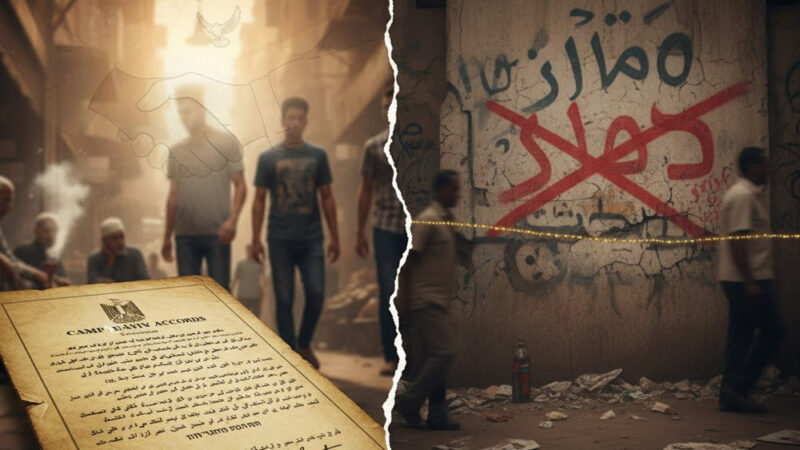
How a “Historic Peace” Became a Polite Non-Aggression Pact With a Neighbor Who Still Can’t Stand You
In 1979, Israel signed what was widely hailed as one of the greatest diplomatic achievements in its history: a peace treaty with Egypt.
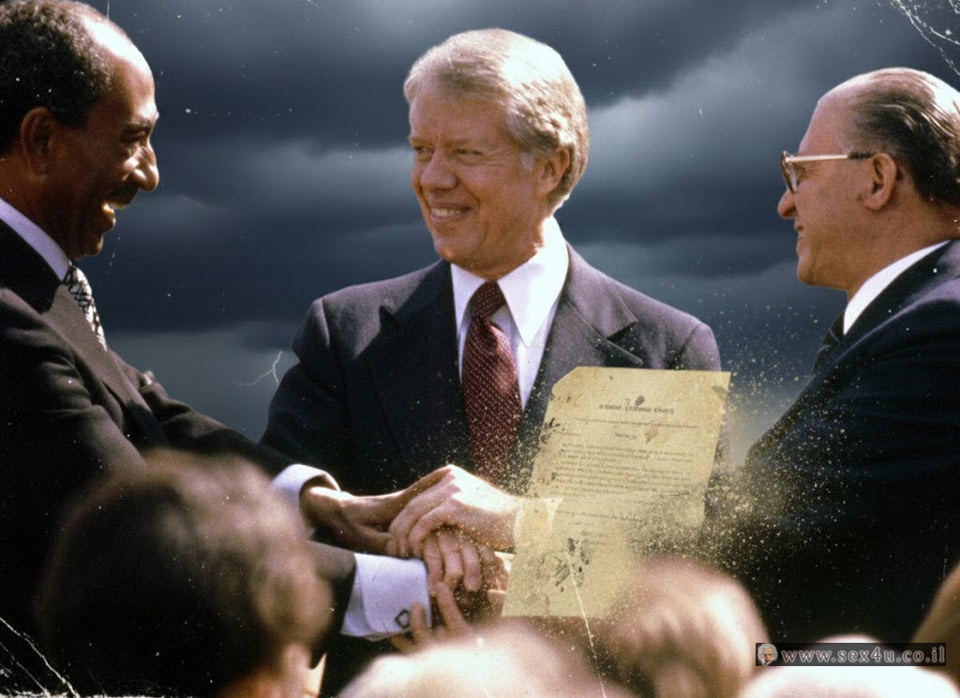
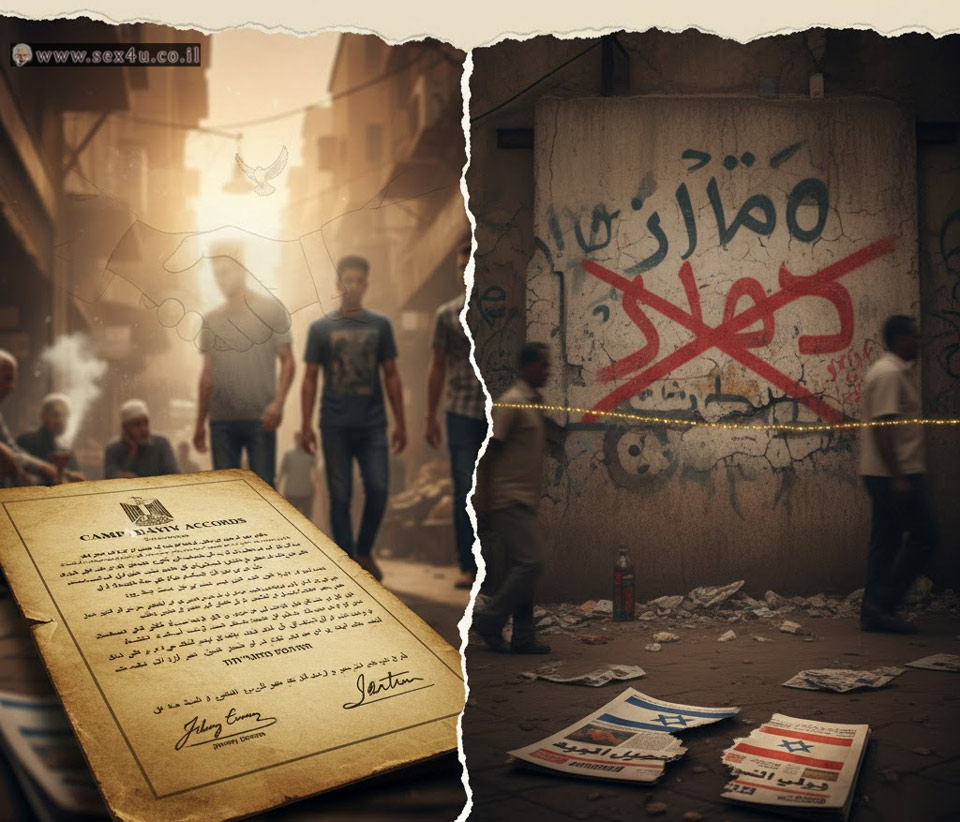
Menachem Begin. Anwar Sadat. Jimmy Carter.
Smiles on the White House lawn. Handshakes. A promise of a new Middle East.


More than forty years later, here’s what we actually have:
No war.
No peace.
Just paper – and a lot of carefully managed hostility.
So the real question isn’t whether the treaty was important. It was.
The question is whether it still means anything.
And if it does – to whom.
Cold Peace? This Isn’t Peace. It’s a Ceasefire in a Suit
The Israel-Egypt treaty was never supposed to be warm. No one expected joint soccer leagues or hummus festivals in Ashkelon. But even by “cold peace” standards, what we got feels more like a walk-in industrial freezer.
On the Egyptian street, Israel is not a neighbor. It’s a postponed enemy.
In Egyptian media, Israel is not a partner. It’s a conspiracy.
In academia, “Israel” is often replaced by “the entity”.
The treaty survives not because of reconciliation, but because of raw interests:
American money. Regime stability. Mutual fear of chaos.
The Egyptian Military Didn’t Forget. It’s Just Waiting
One of Israel’s favorite illusions is that a peace treaty erases memory. In reality, the Egyptian military studies wars with Israel as unresolved trauma. Military drills still simulate a confrontation with an “enemy from the east”. Textbooks weren’t rewritten. The mindset didn’t change.
Yes, there is security coordination in Sinai.
Yes, there are shared interests against jihadist groups.
But this is cooperation between enemies of the same enemy – not between friends.
The day interests shift, the paper won’t protect anyone.
Peace From Above, Hatred From Below
Real peace isn’t measured only by generals and diplomats. It’s measured by people. And here the treaty failed spectacularly.
The Egyptian street harbors deep, emotional, almost cultural hatred toward Israel. Not because of “the occupation”. Not because of “Palestine”. But because this is how generations were educated, socialized, and conditioned.
Israel is the perfect villain:
It explains failure.
Unites fractured societies.
Justifies internal repression.
Economic collapse? Israel.
Polluted water? Israel.
Authoritarian rule? Zionist plots, obviously.
A peace that never reaches the street is not peace.
It’s a contract between frightened elites.
So Why Does Israel Guard This Treaty Like a Sacred Relic?
Because it is worth something. Just not what we pretend it is.
The treaty bought Israel a relatively quiet southern border.
It allowed the IDF to focus on other fronts.
It gave Egypt an incentive not to fight – not to love Israel, just not to shoot.
This isn’t peace.
It’s rented stability.
And that stability rests on one thing only: regime survival in Cairo.
And What Happens the Day After el-Sisi?
Here’s where things get interesting.
Or terrifying – depending on your optimism.
The treaty is signed with a state, but enforced by a ruler. If the regime weakens, if the Muslim Brotherhood resurfaces, if the street dictates policy – the treaty won’t need to be canceled. It will simply be “respected less”.
Coordination reduced.
Blind eyes turned.
Weapons quietly flowing.
The paper remains.
Reality changes.
So Is the Treaty Worth the Paper It’s Written On?
Yes.
But only as long as someone is afraid enough to read it out loud.
It’s not a document of reconciliation.
Not a pact of trust.
Not peace.
It’s a non-war agreement between two sides that don’t trust each other, don’t like each other, and don’t really believe it’s permanent.
In the Middle East, that already counts as an achievement.
A Conclusion That Isn’t Optimistic – Just Honest
The Israel-Egypt peace treaty is not a vision. It’s a band-aid.
A thick, expensive, very American band-aid – but still a band-aid.
It didn’t change consciousness.
Didn’t create closeness.
Didn’t heal hatred.
It only postponed confrontation to an unknown date.
And in a region where history always comes back around, the real question isn’t whether the paper will hold – but who will be in power when it’s finally tested.
Until then, we’ll keep calling it “peace”.
Because in the Middle East,
when no one is shooting –
we call that peace.
הירשמו כדי לקבל את הפוסטים האחרונים אל המייל שלכם