Israel Without U.S. Aid: a Strategic Recalibration

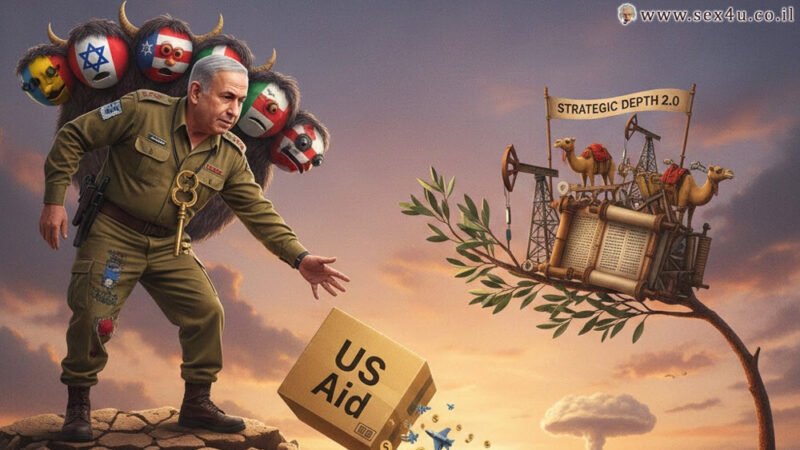
Not a Breakup, but a Strategic Recalibration
Israel’s announcement that it intends to gradually phase out U.S. military aid over the next decade is not a symbolic gesture, nor a nationalist soundbite. It is one of the most consequential strategic signals in U.S.-Israel relations in decades – and one that forces both sides to confront uncomfortable realities long obscured by rhetoric about “special relationships.”


This is not about gratitude or defiance.
It is about leverage, markets, and freedom of action.
Those framing the move as reckless bravado miss the point. Those dismissing it as empty talk miss it even more. If implemented, this decision would reshape Israel’s defense industry, alter the global arms market, and quietly erode one of Washington’s most effective tools of influence in the Middle East.
U.S. Military Aid: Assistance With Conditions
The $3.8 billion Israel receives annually in U.S. military aid is often described as unconditional support. In reality, it is anything but.
Roughly three-quarters of the funds must be spent on American defense products. This means the aid package functions not only as support for Israel’s security, but also as a guaranteed export channel for U.S. defense contractors.
In exchange, Israel accepts:
- U.S. veto power over the export of jointly developed systems
- Restrictions on selling advanced technologies to certain countries
- Structural dependence on American political processes – including a Congress that is increasingly polarized and less instinctively pro-Israel
The aid provides stability. It also creates strategic rigidity.
What Israel Stands to Gain
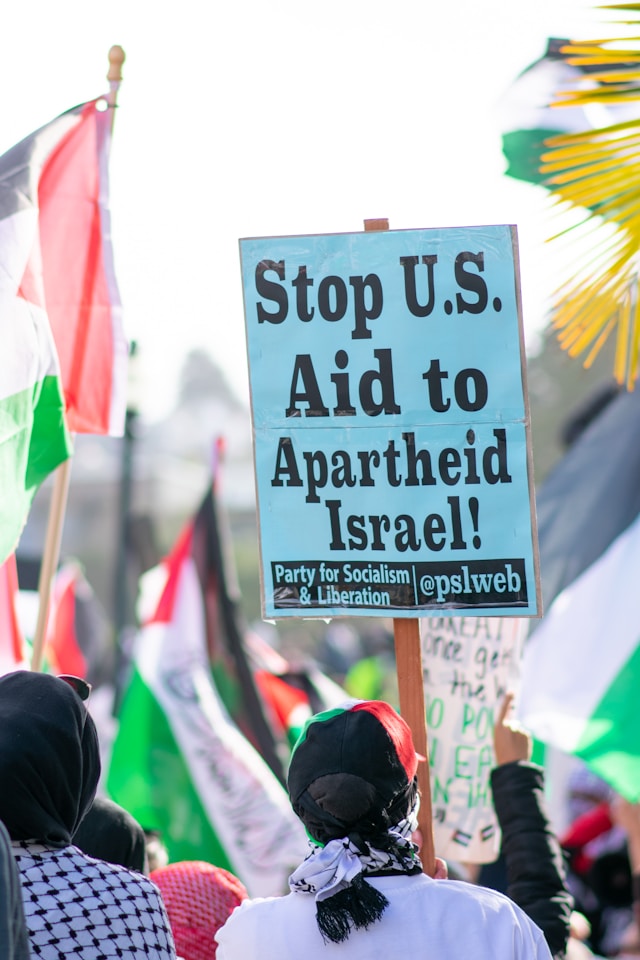
Freedom to Export – Without Washington’s Permission
Israel is already among the world’s top ten arms exporters. Yet many of its most advanced systems – particularly in missile defense, electronic warfare, UAVs, and cyber – are constrained by U.S. approval requirements.
Phasing out American aid would gradually allow Israel to:
- Sell advanced systems to markets in Asia, Africa, and Latin America without U.S. vetoes
- Compete for contracts in countries Washington prefers to keep at arm’s length
- Shift from being a technology partner to being a fully autonomous supplier
This is not ideological independence. It is commercial sovereignty.
Direct Competition With U.S. Defense Firms
As long as U.S. aid exists, American defense companies enjoy a built-in advantage in Israel’s procurement decisions. Remove the aid, and Israel is no longer a captive buyer – it becomes a competitor.
The implications are significant:
- Israeli firms can offer cheaper, more adaptable systems to mid-sized militaries
- Countries priced out of American platforms gain alternatives
- U.S. defense companies lose not only Israeli contracts, but downstream influence over regional procurement patterns
In effect, Israel moves from being part of the U.S. defense ecosystem to challenging it in select markets.
Deeper Industrial Independence
Foreign aid tends to reward incremental innovation, not disruptive redesign. Ending it would force Israel to:
- Invest more heavily in domestic R&D
- Design systems optimized for global markets, not U.S. interoperability alone
- Build supply chains less vulnerable to foreign political pressure
This is economically painful in the short term – and strategically valuable in the long term.
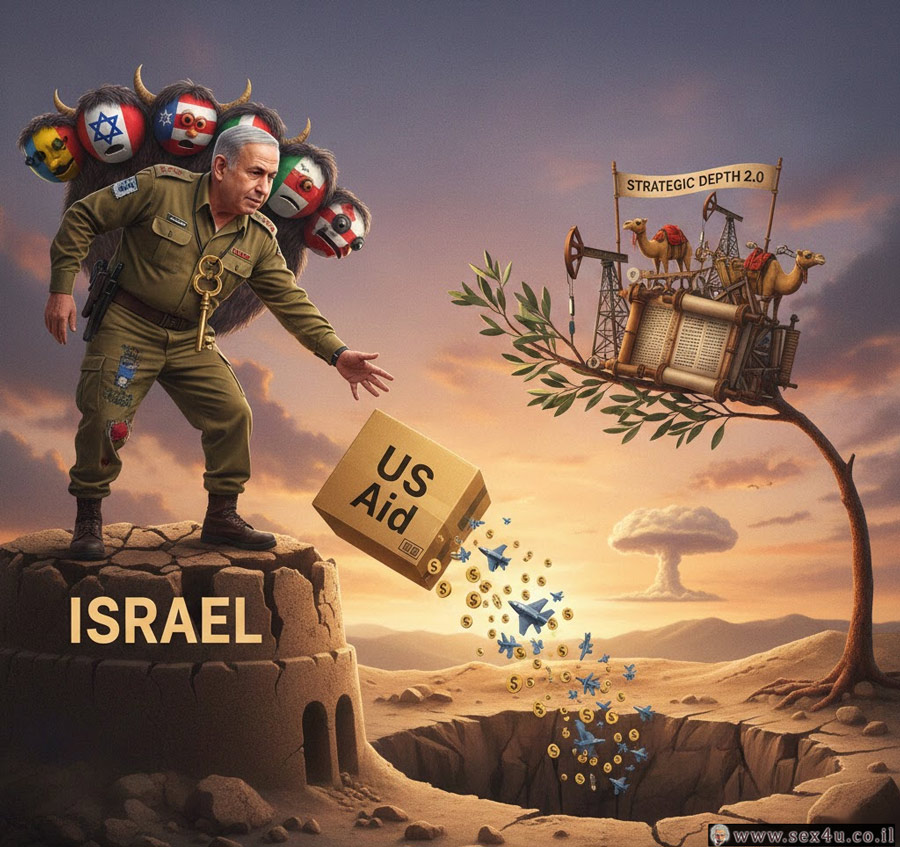
What Israel Risks Losing
Automatic Political Cover
U.S. military aid is inseparable from diplomatic protection. Reducing it may weaken Washington’s instinct to shield Israel in international forums or expend political capital on its behalf.
The alliance would not disappear – but it would become more transactional, more conditional, and less reflexive.
Preferential Access to Future U.S. Technologies
Some cutting-edge military technologies are still developed exclusively in the United States. Without the aid framework:
- Access may slow
- Costs may rise
- Israel may need to duplicate expensive development efforts
This is a real strategic cost, not a theoretical one.
What the United States Stands to Lose
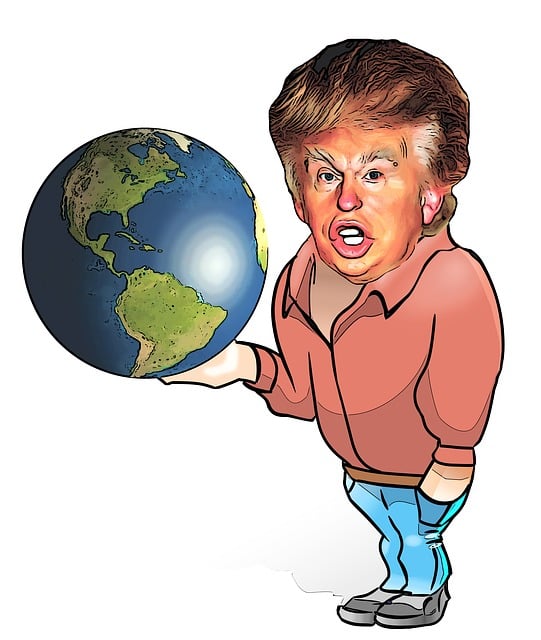
More than Washington is publicly acknowledging.
- A guaranteed export market worth billions
- Direct influence over Israeli force structure and doctrine
- A key mechanism for shaping the regional arms balance
Perhaps most importantly: precedent.
If Israel – long portrayed as the ultimate beneficiary of U.S. aid – can phase it out, other allies may ask why they cannot.
The Real Meaning of the Move
Israel is not abandoning the United States.
It is attempting to renegotiate the terms of dependence.
The shift is from patronage to partnership, from emotional alliance to calculated alignment. That transition is inherently uncomfortable – especially for the patron.
This is not a rejection of American support.
It is a recognition that in a multipolar world, dependence is a vulnerability – even when the benefactor is friendly.
Bottom Line
The decision to phase out U.S. military aid is not about pride, politics, or posturing. It is about strategic flexibility in a changing global order.
For Israel, the question is whether independence can be afforded.
For the United States, the question is whether influence can be retained without leverage.
Neither side yet has a definitive answer.
But the era of unquestioned dependency is, quietly, coming to an end.
הירשמו כדי לקבל את הפוסטים האחרונים אל המייל שלכם