Israel Without U.S. Aid: Risk-Reward Equation

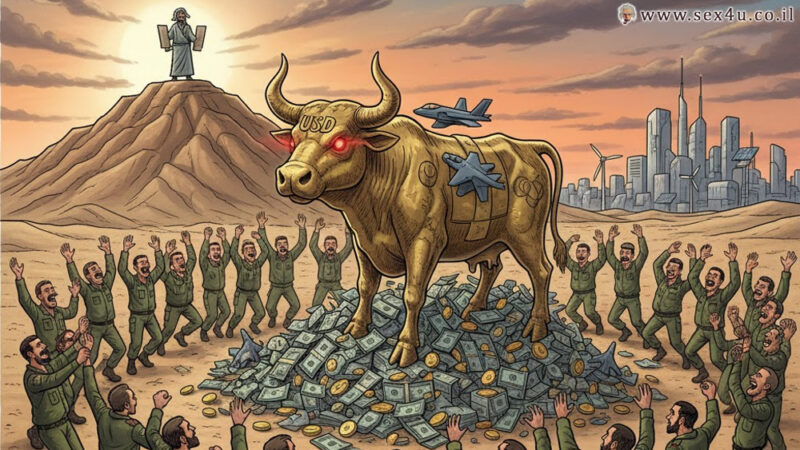
Strategic Independence or Strategic Exposure?
Israel’s Security Risk-Reward Equation Without U.S. Military Aid
The debate over Israel’s gradual withdrawal from U.S. military aid is often framed in emotional terms: loyalty, gratitude, betrayal, dependence. None of these concepts matter in war.


The real question is brutally simple:
Does Israel become safer – or more exposed – by removing American military aid from the equation?
The answer is not binary. It is conditional, technical, and uncomfortable.
The Upside: What Israel Gains in Hard Security Terms
Freedom of Action – The Currency of Modern Warfare
U.S. military aid does not merely provide hardware. It embeds constraints:
on weapons integration, operational use, export rights, and occasionally on timing.
Removing aid reduces:
- External vetoes on force development
- Political friction between operational necessity and diplomatic optics
- Dependency on Washington’s internal political cycles
In fast-moving conflicts, speed matters more than reassurance.
A force that decides alone acts faster – and survives longer.
Industrial Depth as Strategic Depth
In prolonged or multi-front conflict, the decisive factor is not initial firepower – it is sustainability.
Aid dependency weakens:
- Domestic production continuity
- Rapid modification under battlefield feedback
- Resilience under supply-chain disruption
A self-sufficient defense industry does not guarantee victory, but it reduces the risk of paralysis under pressure. In war, that is a strategic advantage.
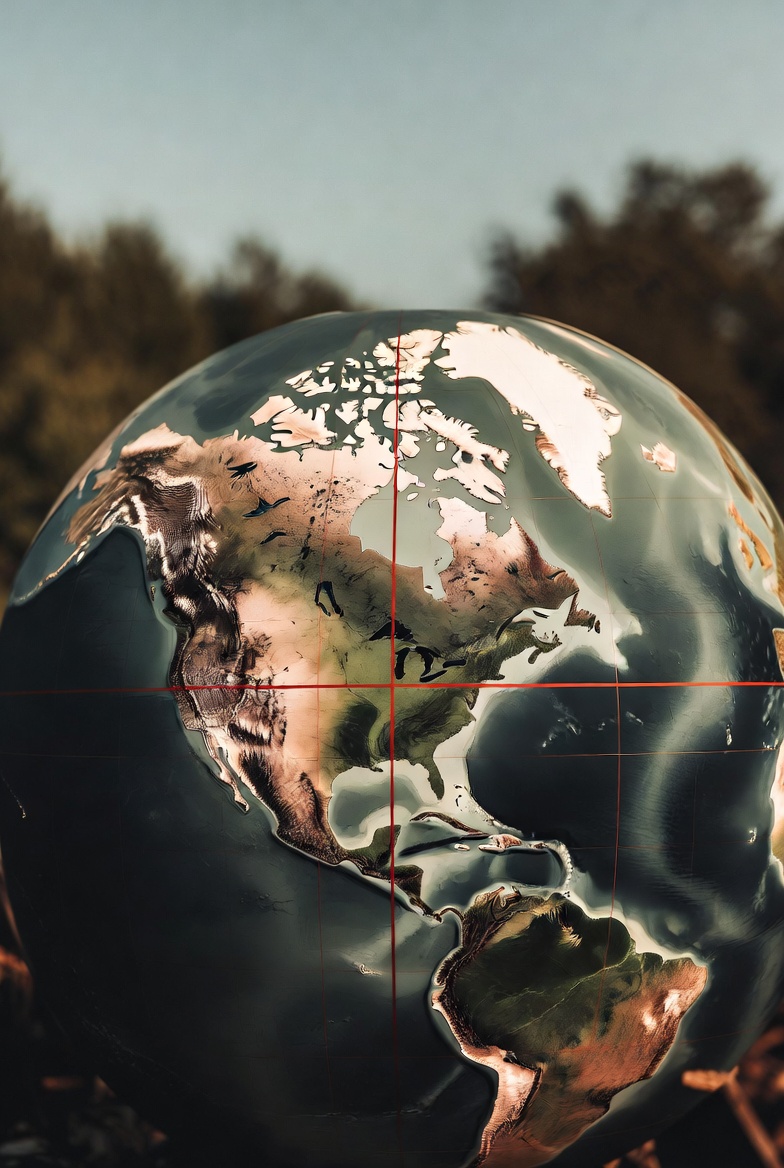
Adaptation Speed in Future Conflict Domains
Tomorrow’s wars will not be dominated by platforms alone. They will be shaped by:
- AI-enabled targeting
- Electronic warfare
- Cyber disruption
- Autonomous systems
Israel’s comparative advantage lies in rapid iteration, not scale.
Aid frameworks reward compliance and interoperability – not radical adaptation.
Independence allows experimentation. Experimentation wins future wars.
The Downside: Where the Risk Becomes Real
The Slow Erosion of Diplomatic Shielding
U.S. military aid is tied to something far more valuable than money: political reflex.
Aid creates habits – of vetoes, pressure deflection, quiet diplomatic firefighting.
As aid fades, so does automatic protection.
The danger is not immediate isolation, but cumulative exposure:
- Legal pressure on commanders
- Reduced tolerance for prolonged operations
- Faster international escalation against Israeli action
This does not stop wars.
It makes them harder to finish.
Critical Dependencies That Still Exist
Despite its strengths, Israel is not fully independent in:
- Heavy air platforms
- Certain advanced sensors
- Global logistical infrastructure
Premature disengagement risks:
- Temporary capability gaps
- Costly parallel development
- Reduced readiness during transition periods
Security failures rarely occur at peak strength.
They occur during transitions.
Adversary Misinterpretation
Israel may view independence as strength.
Adversaries may interpret it as strategic loosening of U.S. commitment.
Perception matters.
If Iran, Hezbollah, or others conclude that U.S. backing is less automatic, they may:
- Probe thresholds
- Accelerate escalation
- Test deterrence assumptions
Even if the assumption is wrong, the test itself is dangerous.
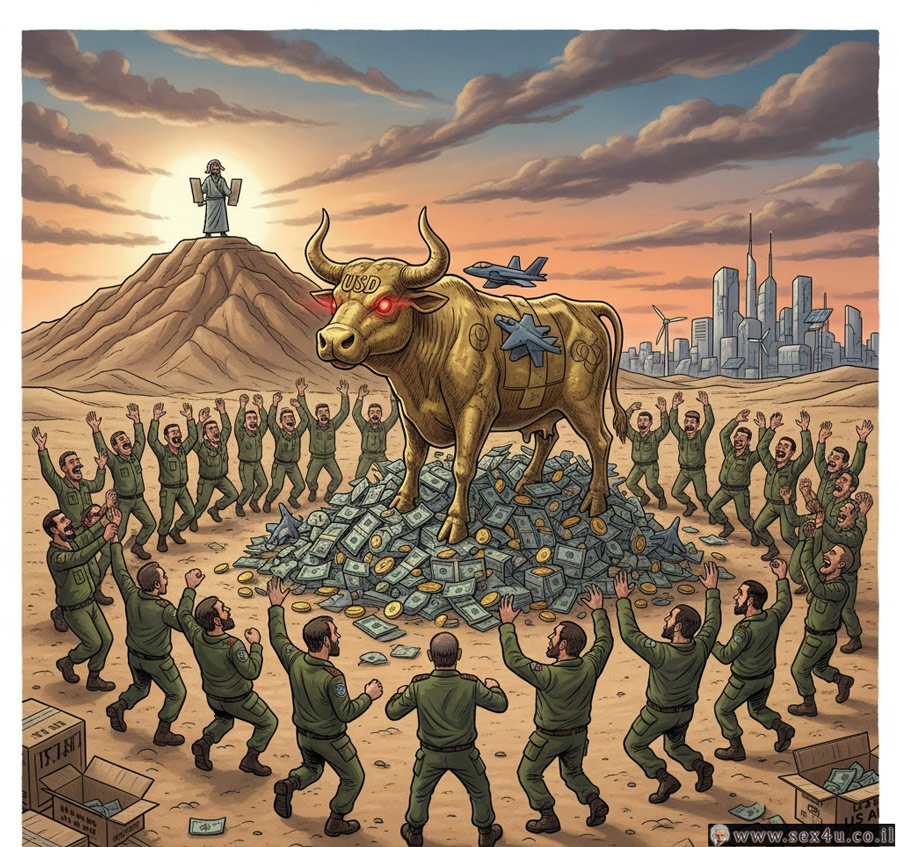
The Net Security Balance: No Illusions Allowed
This move is neither suicidal nor cost-free.
It improves Israel’s long-term strategic flexibility – if:
- The transition is slow and disciplined
- Industrial investment is prioritized over optics
- U.S. political alignment is preserved without financial dependency
If those conditions fail, independence becomes exposure.
The Hard Truth
Security alliances built on aid create comfort.
Comfort breeds dependency.
Dependency breeds vulnerability.
But independence without preparation breeds something worse: overconfidence.
Israel does not need to choose between America and autonomy.
It needs to reduce reliance without erasing alignment.
That is not a patriotic decision.
It is an engineering problem – and engineering punishes mistakes without mercy.
Bottom Line
Ending U.S. military aid will not make Israel immediately weaker.
It will make Israel more responsible for its own survival.
That responsibility is manageable – but unforgiving.
In the end, the risk is not independence.
The risk is mistaking independence for immunity.
הירשמו כדי לקבל את הפוסטים האחרונים אל המייל שלכם