
Israel Without U.S. Aid: Should Washington Worry?

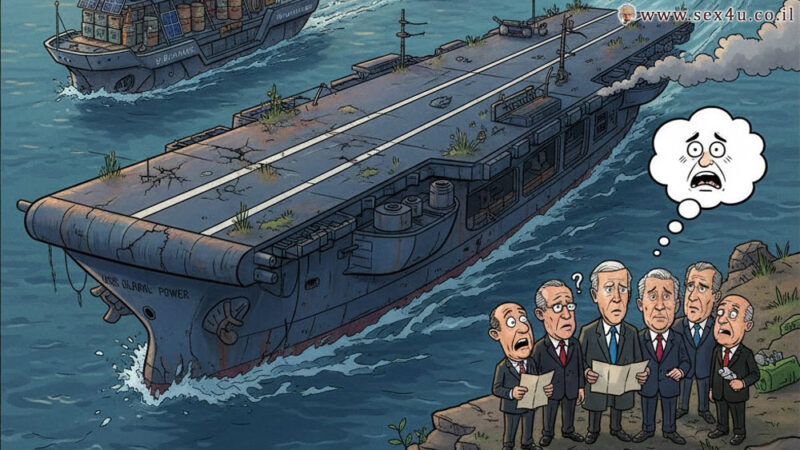
The Strategic Costs of Israel Walking Away from U.S. Military Aid
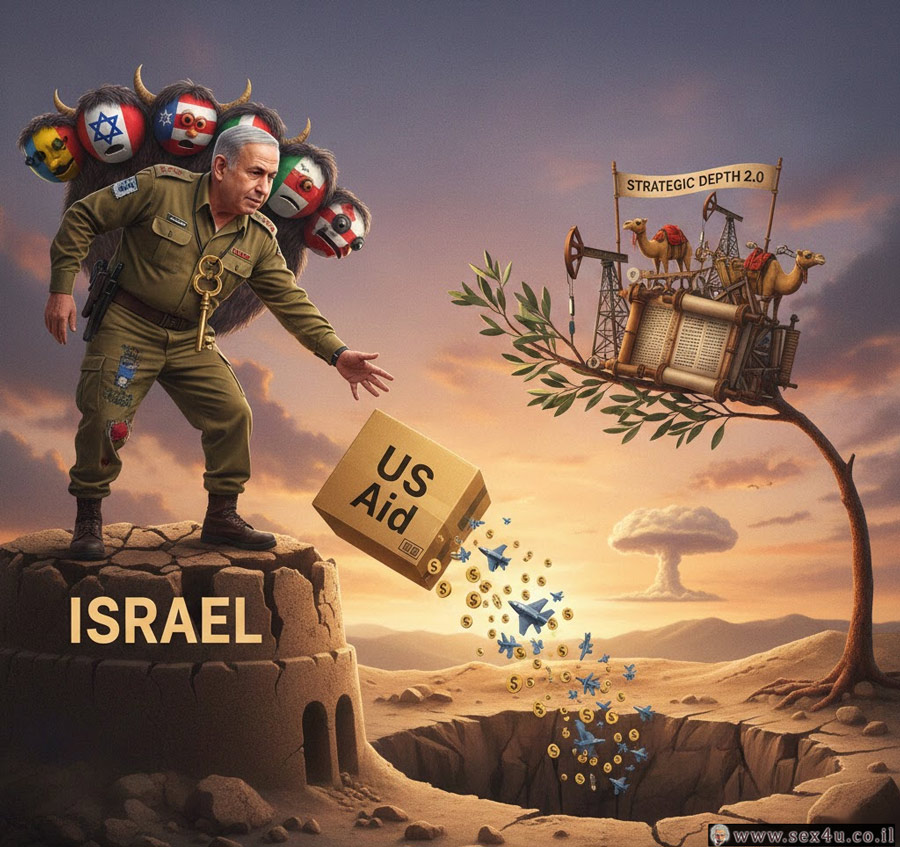
From an American perspective, Israel’s intention to phase out U.S. military aid is not a benign act of self-reliance. It is a strategic complication – one that weakens leverage, disrupts influence mechanisms, and introduces uncertainty into a region where predictability is already scarce.


This is not about hurt feelings or alliance pride.
It is about loss of control in an increasingly multipolar security environment.
The First Loss: Leverage Without Headlines
U.S. military aid to Israel has never been primarily about generosity. It has been about shaping behavior without public confrontation.
Aid provides Washington with:
- Quiet influence over Israeli force structure
- Constraints on weapons development and deployment
- Veto power over arms exports to sensitive regions
- A channel to de-escalate crises behind closed doors
Once aid fades, so does this leverage.
Israel will still coordinate – but coordination without dependency is advisory, not binding. For American policymakers accustomed to influence without coercion, this is a downgrade.
The Second Loss: Control Over Technology Diffusion
Joint development programs and aid-linked procurement allow the U.S. to:
- Monitor how advanced technologies spread
- Prevent sensitive systems from reaching rivals
- Maintain technological primacy among allies
An aid-independent Israel gains freedom to export – and Washington loses oversight.
Worst-case scenario from a U.S. view:
- Israeli systems appear in markets Washington avoids
- U.S. adversaries indirectly study Western-derived technologies
- American export controls are bypassed, not violated
This does not require malice.
It requires only commercial logic.
The Third Loss: A Reliable Defense Market
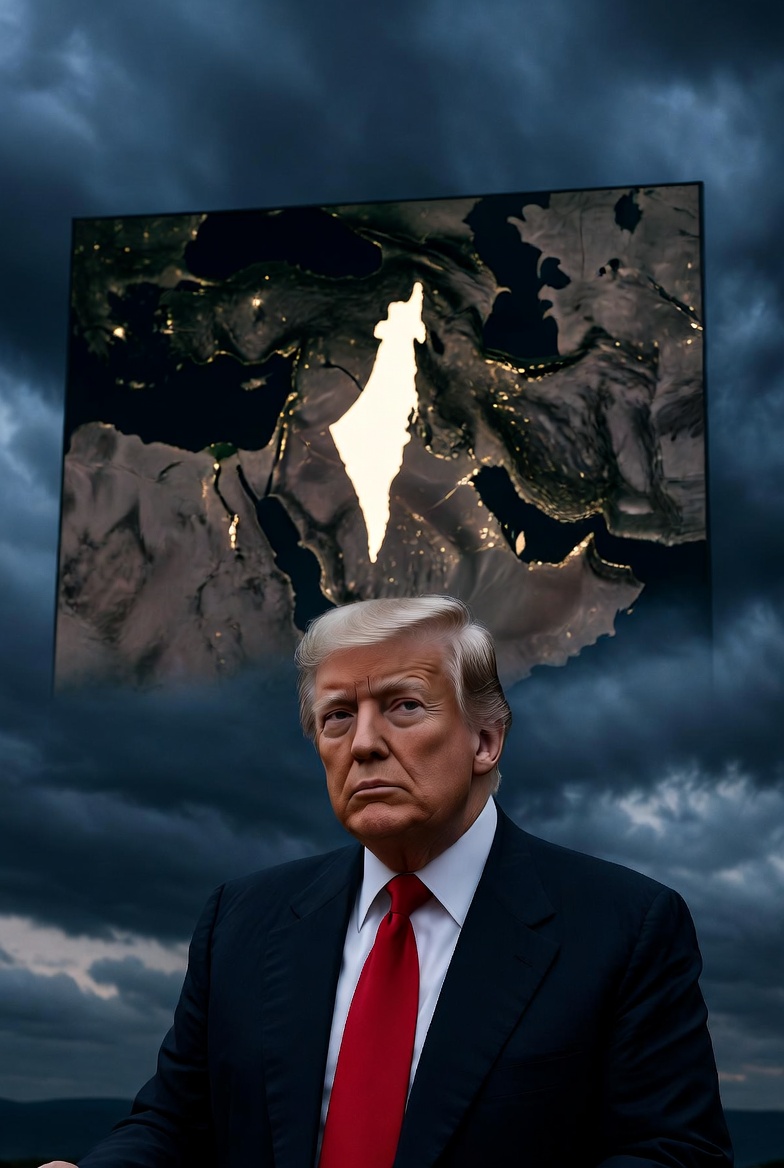
Israel is not just a buyer – it is a validator.
When Israel adopts a system, it gains combat credibility. When Israel stops buying American systems, that implicit endorsement disappears.
Consequences include:
- Reduced prestige for U.S. platforms in global competitions
- Increased competition from Israeli firms in mid-tier markets
- Pressure on U.S. defense companies already facing shrinking margins
From an industrial standpoint, Israel’s move is not catastrophic – but it is strategically corrosive.
The Fourth Loss: Alliance Signaling
Alliances are watched – not just by allies, but by adversaries.
Israel’s exit from aid will be read globally as:
- Reduced U.S. commitment
- A shift from patronage to transactional alignment
- Evidence that U.S. influence is negotiable
This perception matters more than official statements.
If America cannot retain leverage over its closest regional partner, others may calculate that U.S. guarantees are optional, conditional, or temporary.
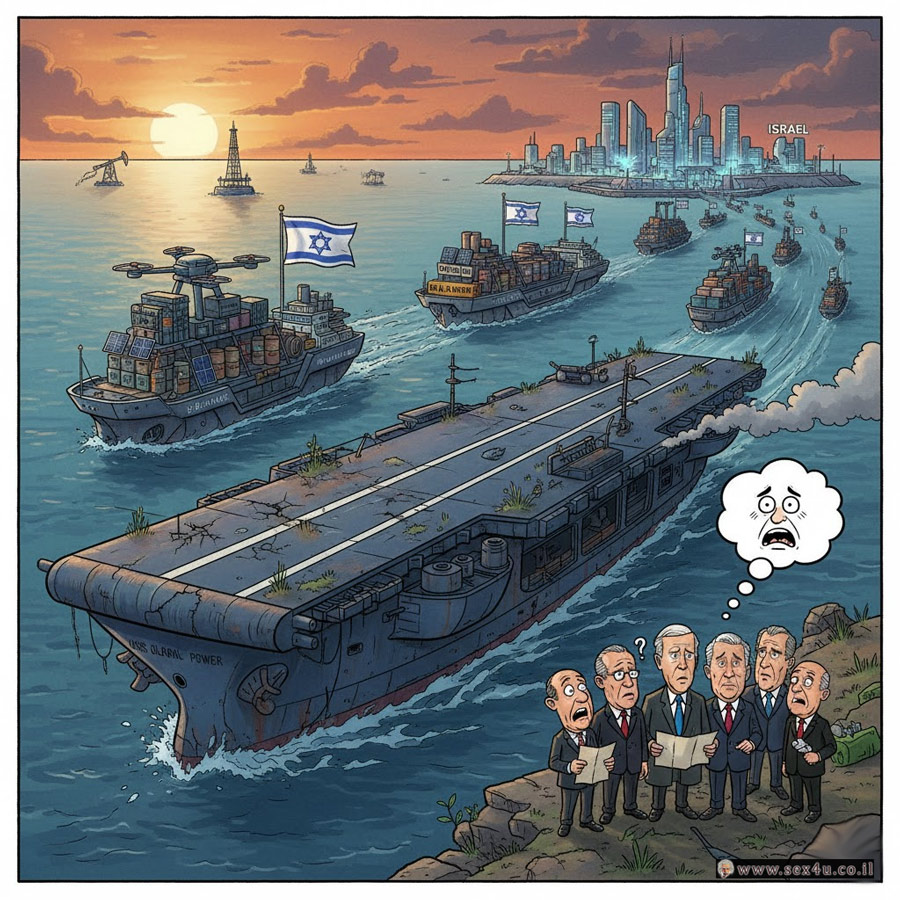
Scenario Analysis: How This Could Play Out
Scenario 1: Managed Transition (Best Case)
- Aid is phased out slowly
- U.S.-Israel strategic coordination remains tight
- Informal influence mechanisms replace formal leverage
U.S. Outcome:
Influence reduced but preserved. Costs manageable. Strategic damage limited.
Scenario 2: Strategic Drift (Most Likely)
- Coordination continues, but alignment weakens
- Israel makes unilateral decisions Washington would have previously shaped
- Export disputes and operational disagreements increase
U.S. Outcome:
Loss of predictability. Increased friction. Declining ability to shape outcomes without escalation.
Scenario 3: Competitive Divergence (High-Risk)
- Israeli defense firms actively compete against U.S. firms
- Israeli systems enter politically sensitive markets
- Washington is forced to choose between public confrontation or silent erosion of influence
U.S. Outcome:
Erosion of industrial and strategic dominance, especially in emerging markets.
Scenario 4: Regional Miscalculation (Worst Case)
- Adversaries interpret aid withdrawal as reduced U.S. backing
- Escalation thresholds are tested
- U.S. is forced to intervene militarily to restore deterrence – without prior leverage
U.S. Outcome:
Higher risk of entanglement, fewer tools to prevent it.
The Core American Concern: Influence Without Ownership
U.S. strategy has long relied on a simple principle:
those who fund capabilities shape their use.
Israel’s move challenges that model.
Washington would still bear reputational costs for Israeli actions – but with diminished ability to shape them. That is the least efficient position for a superpower: responsibility without control.
What the U.S. Can Do – And What It Can’t
What Washington can do:
- Deepen intelligence and operational integration
- Offer non-financial incentives (technology sharing, diplomatic backing)
- Adapt export controls to remain competitive
What it cannot do:
- Force dependency without damaging the alliance
- Recreate leverage once voluntarily surrendered
- Prevent allies from seeking autonomy in a multipolar world
Bottom Line (American View)
From Washington’s perspective, Israel’s exit from U.S. military aid is not hostile – but it is destabilizing.
It weakens quiet leverage, accelerates competition, and introduces ambiguity into deterrence dynamics the U.S. has spent decades managing.
America will adapt.
But adaptation comes at a cost.
And the uncomfortable truth is this:
Influence is easiest to lose when the ally believes it no longer needs you.
הירשמו כדי לקבל את הפוסטים האחרונים אל המייל שלכם