Yom Kippur 2025: Fasting, forgiveness, and the feeling of “a people alone will dwell” in a world that is no longer ashamed to hate

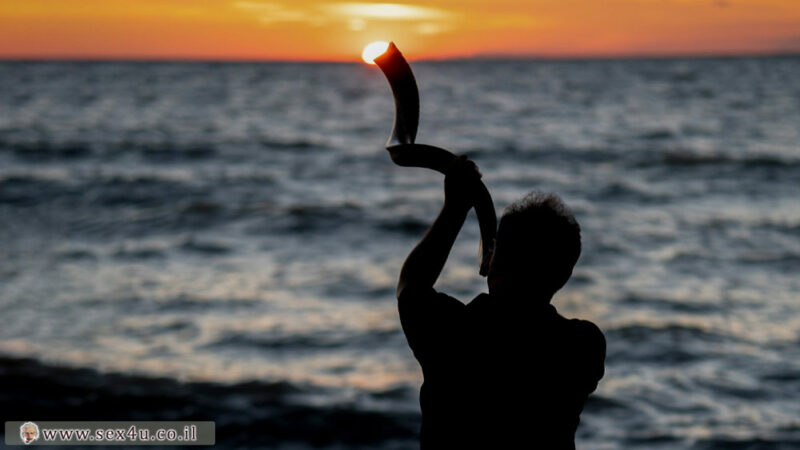
There are days in the Jewish calendar that succeed, in some supernatural, almost mystical way, in stopping time. Yom Kippur is one of them. It doesn’t matter if you are a religious Israeli or a completely secular one who feels that the closest rabbi to you is the shawarma man at the Carmel Market – the moment the sun of Yom Kippur arrives and there are no more buses around, the roads empty and the world falls silent – something deep inside you is shaken.
 It’s not just tradition, it’s not just fasting, and it’s not even (just) the historical fear that God forbid the shofar will sound the wrong note and the skies will open to rain too soon. It’s a day when the entire Jewish people, with all their colors, scars, and endless arguments, feel, if only for a moment, that we are part of something much older than ourselves.


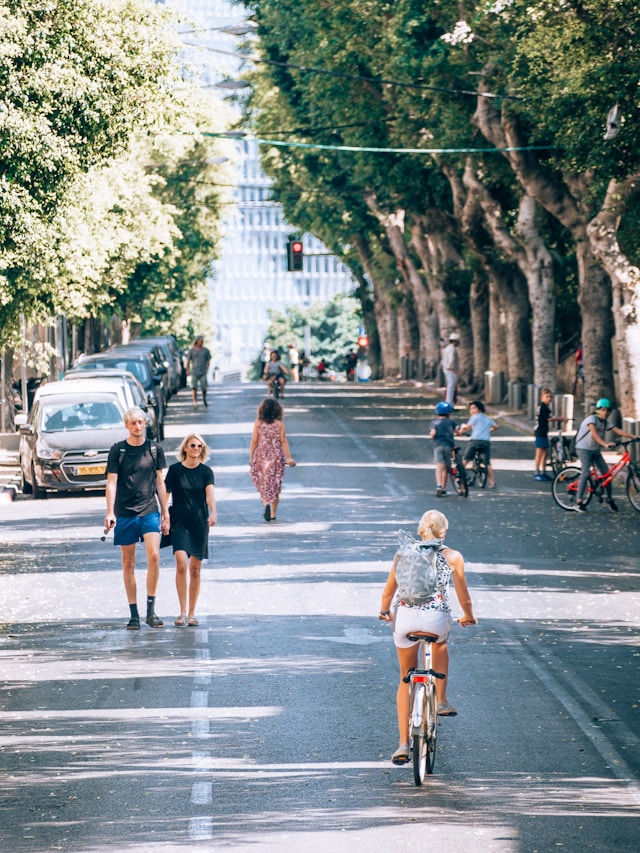
Perhaps this is the essence of true Zionism: a country where Yom Kippur is not a day off from work to go shopping, but a day off to stop. This is a country where Tel Aviv, a city that never sleeps, instantly becomes a city of children on bicycles and soulful conversations on sidewalks empty of cars – a sight that would make even the sages raise an eyebrow and say: Well, maybe all is not lost.
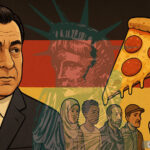
But this year, more than in previous years, this sense of uniqueness is mixed with something heavier. Jews all over the world feel that Yom Kippur has long been not just “between a person and a place” or “between a person and his fellow man” – but between the people of Israel and the rest of the world. Because while we try to atone, the world is busy blaming. Anti-Semitism the likes of which has not been seen since the last century is rearing its head again, wrapped in the polished language of “legitimate political criticism.” As if the Jews, those people who are fasting and asking for forgiveness for slander and for not being patient enough with their neighbors – are also to blame for climate change, for oil prices, and for having the audacity to defend themselves In Gaza.
 Yom Kippur is always a day of personal introspection, but the Jewish people have a strange tendency to feel that they must also do so on behalf of the world. After all, if missiles are fired at us, we probably weren’t nice enough; if universities in America are enacting boycotts, we are probably “too provocative”; and if there is a 400% increase in anti-Semitic incidents in Europe – then perhaps the truth shouldn’t have been spoken so loudly at the UN. It is a painful cynicism: even on the day we choose to remain silent, the world chooses to blame.
And yet, the Israeli Yom Kippur is one of the proudest and most beautiful things to see. While the world is busy preaching morality to us, an entire country manages to stop all its noise machines – commerce, transportation, radio, even most social networks are silent – and become silent. There is a magic in this that proves that despite the headlines, despite the wars and despite the skeptics – we are a people who uphold a 3,000-year-old tradition without asking permission from anyone.
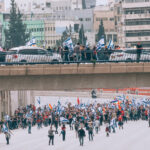
There is also a unique humor to this day. For example, the unofficial competition throughout Israel: who will finish the closing prayer without fainting, and who will survive the fast without hearing the sounds of borax from the freezer. In stairwells, philosophical conversations can be heard about why fast at all if we will eat again later, and how one can ask forgiveness from someone whose frogs have been silent for years. The children, of course, are not interested in philosophy and take advantage of the national break to turn the Ayalon Highway into a bicycle racetrack – a sight that brings a smile and warms hearts.
But there is also something profound in humor: the Israeli Yom Kippur is proof that our Jewish identity has not been broken despite everything. Not after the Inquisitions, not after pogroms, not after the Holocaust, and not after all the world’s attempts to return us to the status of a “sorry minority.” We are here, fasting and laughing, asking each other for forgiveness but not apologizing for our very existence.

Particularly against the backdrop of rising anti-Semitism, Yom Kippur reminds us that our strength lies in the ability to stop and examine ourselves – but also to maintain our pride.
Jews should not apologize for the right to defend themselves, for their right to a state, and for the right to sit in a synagogue in Jerusalem and say “We are guilty, we have betrayed” without fearing someone will throw a stone through the window.
 So this year, when the shofar sounds the long, familiar sound and everyone looks for the first glass of water after the fast, perhaps we will remember that even if the world chooses to blame us, we do not need its approval.
We have tradition, historical memory, and national pride – things that no anti-Semite with a sign on the Harvard campus will be able to take away.
On this Yom Kippur, we not only pray for personal forgiveness – but also for the privilege of continuing to stand tall in the face of a world that prefers us as subordinates. And if possible, even for a small forgiveness for all the jokes we told about our neighbor while the shofar was already waiting for the closing bell.
Because if there is a people capable of combining fasting, soul-searching, Jewish pride, and one small cynical smile – it is us.
הירשמו כדי לקבל את הפוסטים האחרונים אל המייל שלכם