
Let’s Talk About “the Bedouin Women Problem”

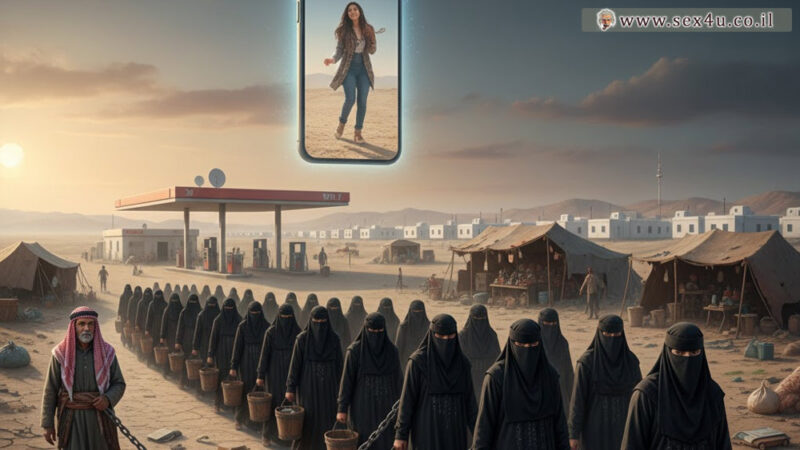
How Everyone Knows There’s a Crisis – but No One Is Willing to Touch It Without Political-Correctness Gloves
There are topics in Israel that are discussed in whispers.
Not because they’re unimportant –
but because they’re too important.
Too sensitive.
Too explosive.
Too “complex.”


One of them is the condition of Bedouin women in the Negev.
Everyone knows.
Everyone has seen.
Everyone has heard.
And yet, when it comes to actually doing something, the state, academia, human-rights organizations, and the media behave as if this were a minor GPS malfunction:
“Turn left. Continue ignoring.”
The Bedouin Woman: Always a Symbol, Never a Citizen
In public discourse, the Bedouin woman is always a symbol.
A victim of patriarchy.
A victim of the state.
A victim of occupation.
A victim of climate change.
If we try hard enough – also a victim of cottage cheese prices.
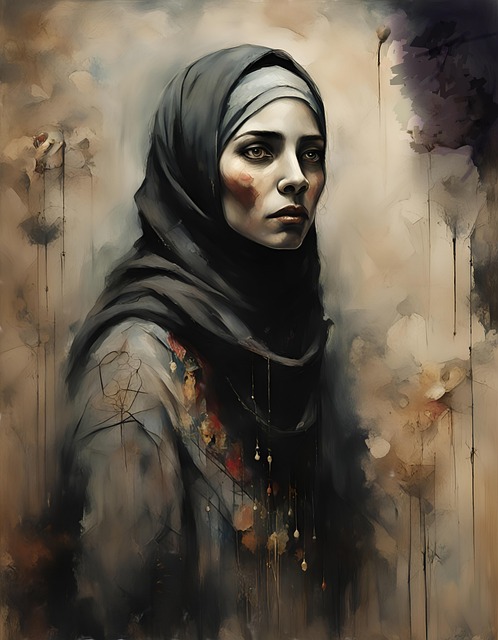 She is everything except what she actually is:
A human being with concrete rights that someone is genuinely committed to enforcing.
Because the moment you state the obvious –
that in parts of Bedouin society there exist harsh norms of domestic violence, child marriage, polygamy, exclusion of women, and so-called “honor” killings –
you are instantly accused of “racism,” “generalization,” or “colonial thinking.”
Translation:
Better the woman continues to suffer – just don’t offend anyone along the way.
Cultural Relativism: The Polite Face of Violence
If a Jewish man married a 14-year-old girl, it would dominate headlines.
If a Bedouin man does it – it becomes “culturally complex.”
If a Jewish woman is murdered, there’s public outrage.
If a Bedouin woman is murdered, there’s an academic panel.
Because in Israel 2026,
the most protected form of violence is the kind explained eloquently in English.
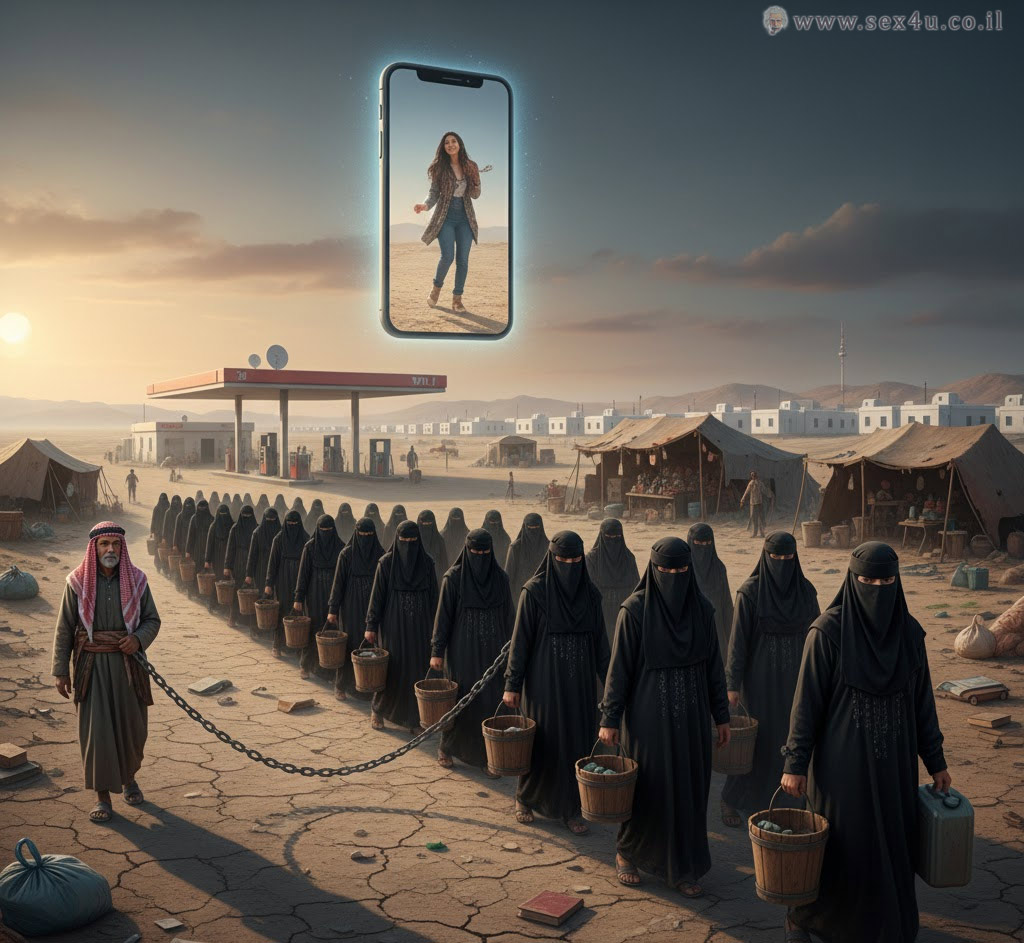
The State: Strong Against the Weak, Weak Against “Tradition”
The state knows how to be tough when it wants to be:
Fines.
Inspectors.
Enforcement.
Cameras.
Drones.
But when it comes to illegal polygamy, child marriages, domestic abuse –
suddenly it becomes gentle.
Sensitive.
Understanding.
Because who wants to clash with “local leadership”?
Who wants headlines?
Who wants to be accused of “not understanding the culture”?
And so, in the name of tolerance, the state abandons women.
Feminism That Stops at the Border of Comfort
Israeli feminism is, how shall we put it,
very brave in Tel Aviv.
Very loud on Twitter.
Very sharp when it comes to advertising, gendered language, and corporate boards.
But when it comes to Bedouin women –
it suddenly becomes cautious.
Restrained.
Confused.
Because acknowledging that a Bedouin woman deserves the same rights as a Jewish woman might require criticizing culture.
And criticizing culture is dangerous territory.
So we talk instead about “empowerment,” “narratives,” and “listening.”
A lot of listening.
Very little rescuing.
So What’s the Real Problem?
The problem is not “the Bedouins.”
And the problem is not “the women.”
The problem is a toxic combination of:
- Rigid patriarchal traditions
- Cowardly state enforcement
- Academia that prefers papers over reality
- A media terrified of sounding impolite
The result?
Women living in a Western state –
under medieval conditions.
 And the Solution? (Hint: Not Another Conference)

No, it’s not another budget.
Not another awareness campaign.
And certainly not another policy document with soft fonts.
It’s enforcement.
One law for everyone.
No footnotes.
No “sensitivities.”
No apologetic translations.
Because women’s rights that are not enforced are not rights.
They’re slogans.
An Uncomfortable Conclusion (Like Reality)
If we truly care about Bedouin women,
we must stop using them as ideological props
and start treating them as citizens.
With protection.
With freedom.
And with a state unafraid to say:
Some things are simply forbidden – even if they’re “cultural.”
Because tolerance for violence is not enlightenment.
It’s fear, wrapped in pretty words.
And the price –
as usual –
is paid by women.
הירשמו כדי לקבל את הפוסטים האחרונים אל המייל שלכם