Neo-Ottomanism 2026

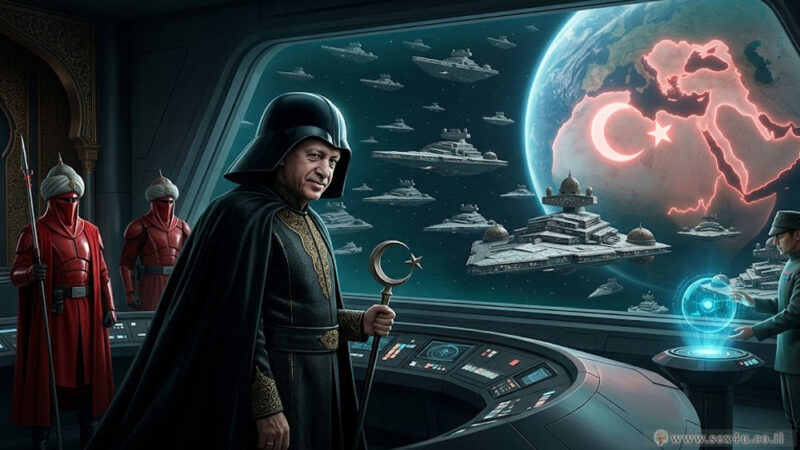
The Sultan Is Back – With Instagram, Drones, and a Very Long Memory
There are moments in history when you pause and ask:
is this actually new, or did someone just hit “refresh” on the 16th century?


Welcome to 2026 – where old ideas don’t die.
They rebrand.
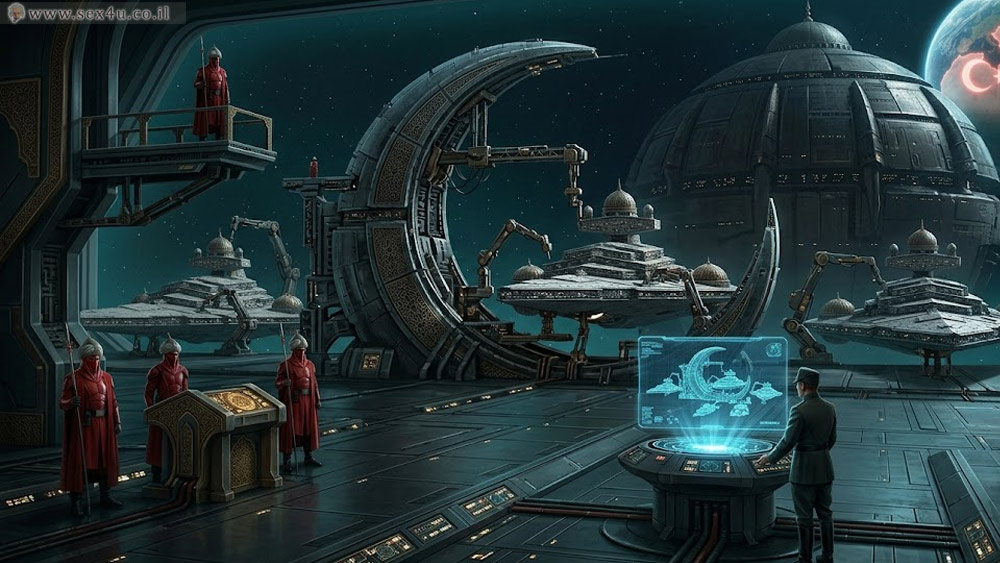
Neo-Ottomanism isn’t a return of the empire.
It’s a comeback tour. Same theme, better marketing, sharper execution, and far less patience for Western lectures about “complexity.”
Once It Was Swords. Now It’s Drones, Speeches, and Strategic Smiles
Forget what you learned in history class.
No caravans. No fleets sailing toward Europe.
No dramatic declarations of conquest.
What you get instead:
- “Limited” military presence
- “Measured” interventions
- “Flexible” alliances
- And very polished diplomatic language
Translation:
No need to conquer territory – just shape reality.
No need to declare power – just exercise it.
And the world?
Still debating what to call it without offending anyone.
Europe: Former Empire, Current Discussion Panel
Here’s where things get interesting.
Europe – once the global export champion of empires – now operates somewhere between a moral philosophy seminar and a group chat that can’t agree on dinner.
Meanwhile, NATO is still technically the muscle of the West –
but increasingly feels like a superhero who forgot where he parked his powers.
Plenty of capability.
Less willingness to act.
Plenty of values.
Less clarity on enforcement.
And when that gap exists, someone else fills it.
The Middle East: Not a Chessboard – More Like a Cage Fight
If you think this is just about Europe, you’re missing the real arena.
The Middle East isn’t a controlled system.
It’s a competitive one.
And in that arena, players like Iran are running a parallel strategy:
- influence over proxies
- indirect power projection
- long-term positioning
Different branding. Same logic.
Put multiple ambitious players in the same space, and you don’t get balance –
you get friction.
Alliances shift. Interests collide. Stability becomes a temporary condition.
Israel’s View: Close Enough to Matter, Small Enough to Care
From an Israeli perspective, this isn’t theory.
It’s geography.
On one hand, there’s opportunity:
regional players are busy competing with each other.
On the other hand, there’s risk:
more players means less predictability.
And in this part of the world, unpredictability isn’t academic.
It’s operational.
The Economic Reality: Big Vision, Finite Wallet
Here’s the part that doesn’t make it into the speeches.
Expanding influence costs money:
- military deployment
- infrastructure projects
- political leverage
- regional commitments
And eventually, the bill shows up.
Economic pressure builds:
- inflation
- currency volatility
- capital dependency
But when the narrative is strong enough,
you don’t cancel the bill.
You delay it.
The West: Busy Explaining, While Others Are Acting
The Western model in 2026 looks like this:
Debate.
Reflect.
Balance.
Reassess.
All important. All rational.
One small problem:
The other side already moved.
And when one side is writing position papers while the other is executing strategy –
the outcome tends to be predictable.
So Is This a “Global Threat”?
Depends who you ask.
If you ask someone calm and optimistic:
No – there’s no empire coming back.
If you ask someone watching patterns instead of headlines:
There’s a player who understands a simple rule:
In a world of hesitation, the decisive actor sets the pace.
The Real Story: Not the Empire – The Method
This isn’t really about Turkey.
It’s about a model.
A model that says:
- Don’t wait for consensus
- Don’t fear criticism
- Don’t apologize for interests
And in a world where many actors are stuck explaining why they can’t –
the one saying “we can” moves forward.
Final Take: The Empire Didn’t Return – The Mindset Did
Neo-Ottomanism isn’t the end of the world.
It’s something more subtle – and arguably more relevant.
A reminder that:
- history doesn’t disappear – it adapts
- power doesn’t need old symbols to be effective
- and the West? still deciding how comfortable it is using its own
Bottom line:
In 2026, it’s not the side that’s morally right that wins.
It’s the side that acts while everyone else is still drafting the memo.
הירשמו כדי לקבל את הפוסטים האחרונים אל המייל שלכם