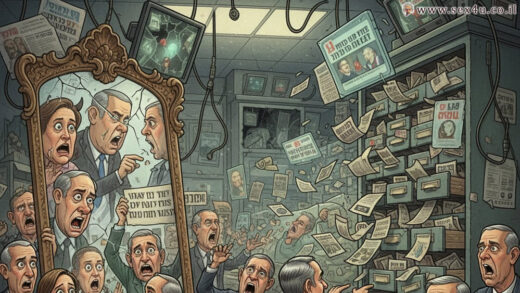
Qatar, Cappuccinos, and “Senior Officials”


How Gulf Money Learned to Speak Fluent Israeli Media
Once upon a time – roughly last Tuesday – we believed that foreign influence on Israeli media came dressed as ideology, diplomacy, or at the very least an overexcited politician waving a poorly written talking point.


Today we know better.
Influence now arrives quietly. With funding. With conferences. With “exclusive briefings.” With polite English, luxury hotels, and a carefully curated moral tone. And no one does it better than Qatar – a tiny gas-rich monarchy with no elections, no free press, and an impressive global hobby: shaping Western consciousness while pretending it’s just “facilitating dialogue.”
Welcome to the new Middle East war zone: not Gaza, not Lebanon – the newsroom.
Not Propaganda – “Narrative”
Qatar doesn’t spread propaganda. That would be vulgar. Soviet. Unsophisticated.
Qatar spreads narratives.
“Propaganda” shouts.
“Narratives” whisper.
And whispers travel further in editorial offices.
Terrorists become “regional actors.”
Islamist militias become “grassroots movements.”
Funding becomes “humanitarian aid.”
Influence becomes “mediation.”
And war becomes – always – “complex.”
By the time the article reaches the reader, it sounds balanced, nuanced, enlightened. Almost academic. And suspiciously familiar – like Al Jazeera with better Hebrew subtitles.
Al Jazeera Isn’t a Channel. It’s an Ecosystem.
Most people think Al Jazeera is a TV network. It isn’t. It’s a worldview factory.
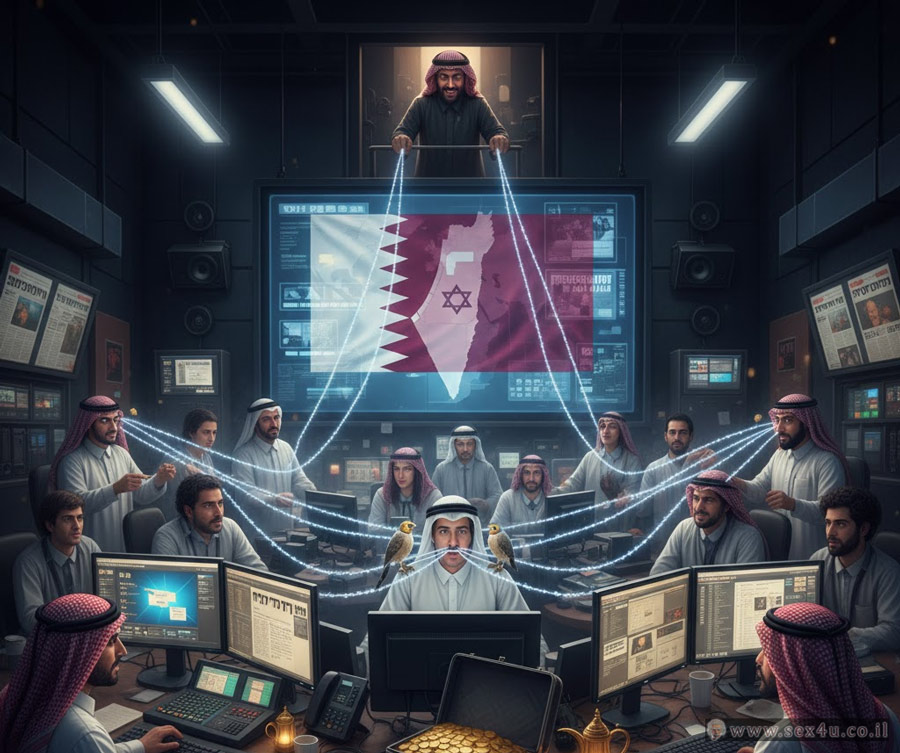
It produces language, framing, legitimacy – and exports them globally through indirect pipelines: think tanks, NGOs, university conferences, expert panels, fellowships, and “unofficial sources close to the matter.”
Israeli media didn’t get conquered. It was invited in.
An invitation to be part of the “global conversation.”
An invitation to attend a conference in Doha.
An invitation to feel important, international, morally sophisticated.
And once you accept the invitation, you instinctively know which questions are “unhelpful,” which angles are “unproductive,” and which truths might ruin future access.
No instructions required. Just professional intuition – and a good expense account.
The New Occupation: Consciousness
Qatar understood something Israel is still arguing about on TV panels: modern wars aren’t won with tanks alone. They’re won with headlines.
The most important battlefield isn’t what happened – but how it’s described.
And so a cottage industry was born:
- Israeli analysts quoting “sources in the Gulf.”
- Journalists returning from Doha with fresh insights about “the new Arab pragmatism.”
- Academics explaining why Qatar is actually a “responsible mediator.”
- Long-form pieces concluding, inevitably, that “the reality is complicated.”
Reality is complicated.
Money, however, is refreshingly simple.
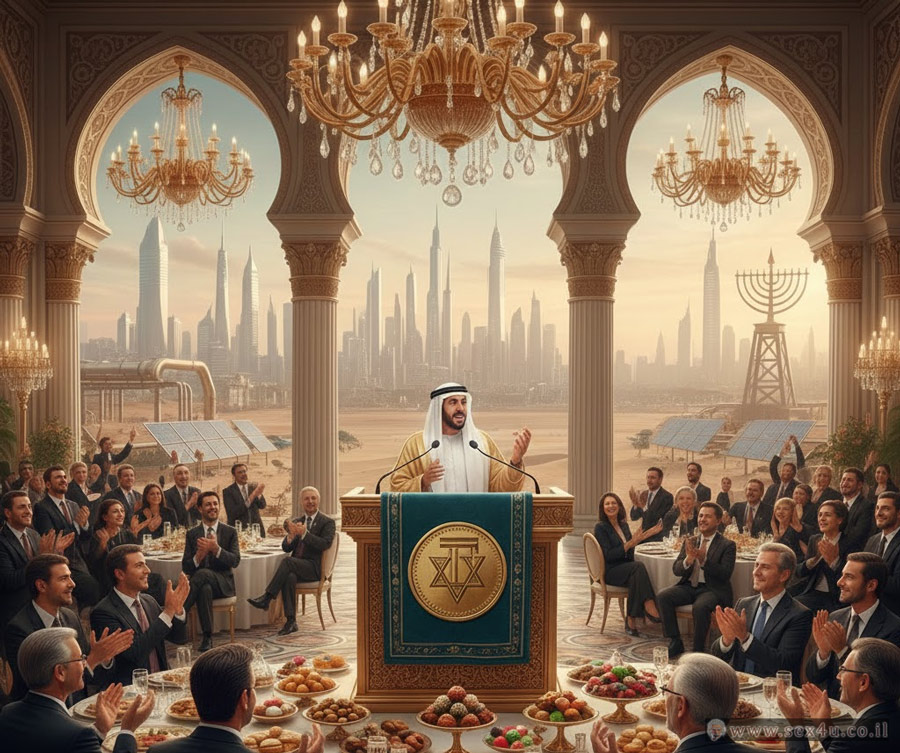
Money Doesn’t Buy Opinions. It Rents Them.
No editor receives a phone call saying, “Qatar requests softer language.”
That’s not how influence works anymore.
Qatar doesn’t demand – it enables.
It enables platforms.
It enables access.
It enables careers.
It enables relevance.
And once enabled, self-censorship does the rest. Harsh words become softer. Context gets added. Responsibility gets blurred. The sharp edges are filed down – not out of malice, but out of comfort.
The most effective influence operations don’t silence voices. They gently retune them.
Press Freedom – With Conditions
Here lies the delicious irony: under the banner of press freedom, Israeli media increasingly echoes talking points aligned with a regime that has none.
In the name of pluralism, it legitimizes actors who oppose pluralism entirely.
In the name of critique, it erases accountability.
In the name of balance, it launders ideology.
Wrapped in elegant language, Western moral superiority, and endless footnotes – the message passes undetected.
Because it feels smart.
Because it sounds humane.
Because it flatters the journalist’s self-image.
So What’s the Real Problem?
The problem isn’t Qatar acting in its interest. That’s expected.
The problem is Israeli media pretending interests don’t exist.
Pretending money doesn’t shape discourse.
Pretending narratives appear organically.
Pretending foreign-funded “context” is neutral.
Meanwhile, the public consumes a carefully blended narrative smoothie where enemies become partners, mediators become saints, and terrorism becomes a misunderstood social phenomenon.
Final Note: Not a Conspiracy – Just Laziness
No tinfoil hats required.
This isn’t a grand conspiracy. It’s something far more dangerous: intellectual laziness, moral vanity, and an obsession with appearing enlightened – even when clarity is desperately needed.
Qatar didn’t buy Israeli media.
It simply recognized it was on sale.
And the most dangerous discount of all?
Two narratives for the price of one –
with truth generously thrown out as a promotional freebie.
הירשמו כדי לקבל את הפוסטים האחרונים אל המייל שלכם