🥙 Shawarma: Culture, Cult, and Weapon of Mass Destruction of Diets

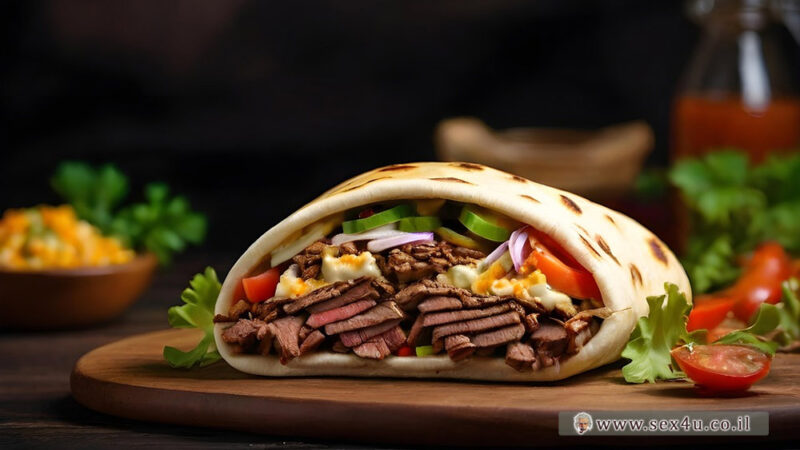
A Journey Through the Incarnation of the Middle East’s Most Unapologetic Food


There aren’t many foods in the world that make you think, “I might regret this tomorrow morning, but right now I’m ready to die,” like shawarma.
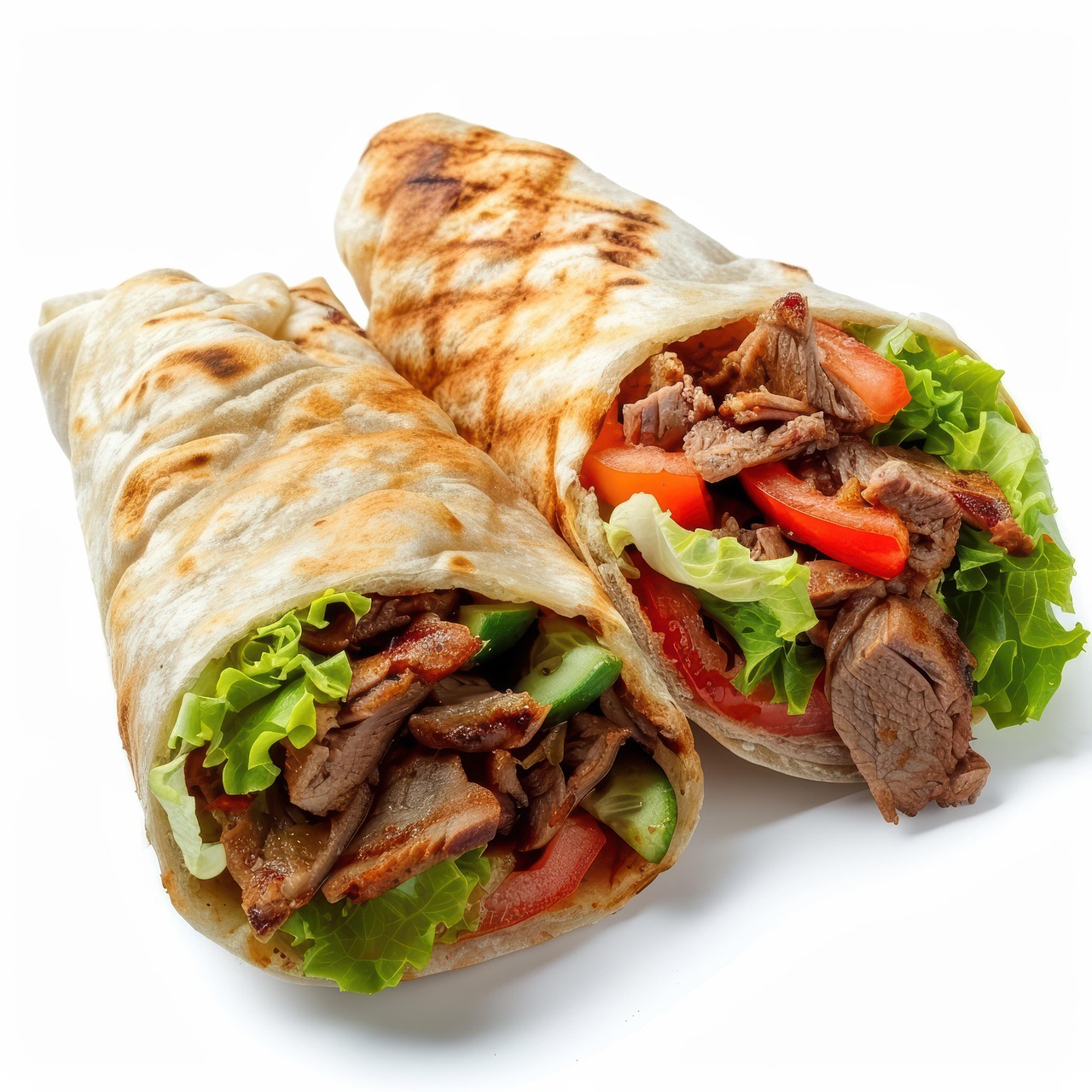 Shawarma is not just food. It’s a way of life. It’s a statement. It is the choice of a sweaty man at 1:42 a.m., just after leaving a club, and it is also the choice of the mother of a 16-year-old high school student who comes home and says, “I haven’t eaten anything today” (even though whistleblowers report that he saw at least five pitas during the day).
History on a Spinning Stick
Shawarma, it is said, was born somewhere in the Ottoman Empire, when someone decided that what he was missing in life was a huge piece of meat to spin in front of the fire. Why? Because he apparently wanted to see his meal suffer before he ate it.
The Turks called it doner, the Greeks stole it and called it gyros, and the Lebanese, of course, claimed to have invented it before Muhammad. But here? Here it is shawarma. And when we say shawarma – we mean the real thing: pita, loaded, dripping, getting a light punch on top to “settle the matter,” with tahini, pickles, spicy, and coleslaw that was prepared three days ago.
The Philosophy of Pita
Shawarma is not just a taste. It is an ideology. Note: pita is a boundary – it guards what is inside. It is the people of Israel. It has depth, suffering, grip. Not like these Ashkenazi lafayettes, or worse – shawarma on a plate, which is nothing but complete surrender to the academic establishment, with a fork and knife.
Real pita is not meant to last. It falls apart, oozes, tears in your hand like the budget of a developing country. And that’s okay – we fall apart a little sometimes too.
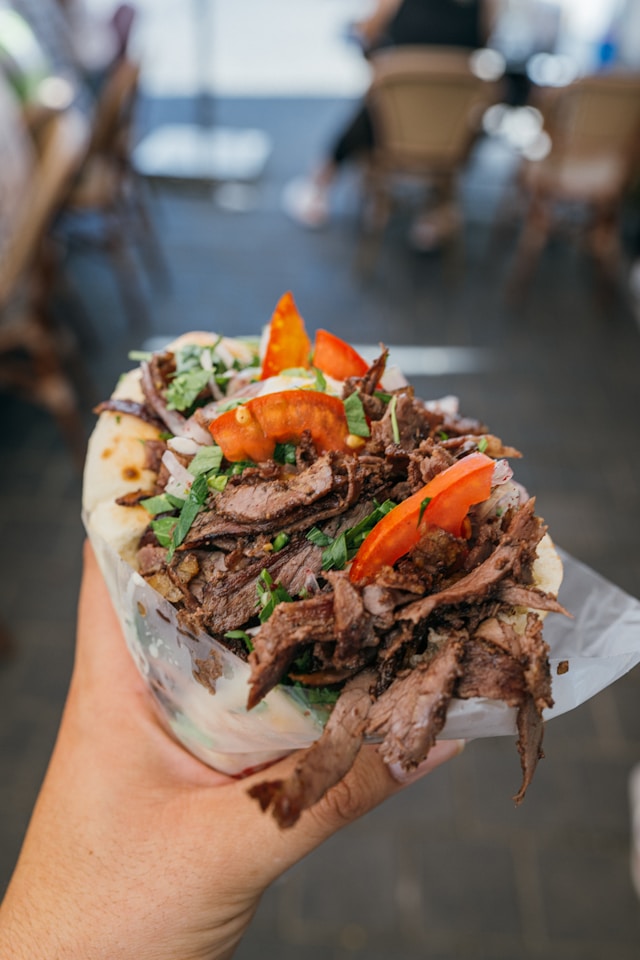
Your Choice – The Psychology of Ordering
Let’s face it – how you order shawarma says more about you than any therapeutic conversation.
- The one who takes chicken – wants to be seen as fit.
- The one who takes lamb – lives in peace with the fact that he will never see his shoes again.
- The one who takes chicken – is a liar.
- And the one who takes vegan shawarma – should be issued a French passport and sent into exile in Berlin.
And of course, the spicy: if you ask for “just a little spicy,” you admit that you are not really a man. If you say “put it as you put it to yourself” – you are either Moroccan or about to meet the rescue services in seven minutes.
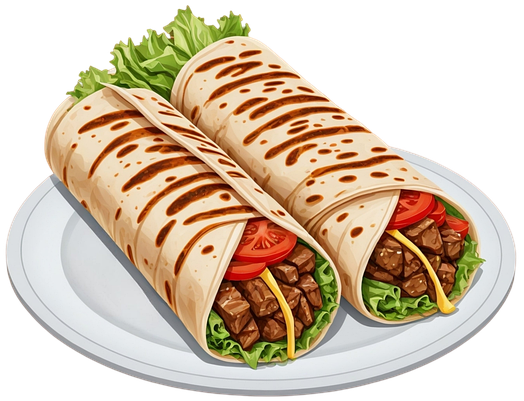 Healthy? You made us laugh
Shawarma is not healthy. It shouldn’t be. No one goes to a shawarma stand to get nutritional advice. If you wanted health, you’d go eat quinoa with beets. But shawarma comes with fat that’s been there since the beginning of time, with humidity that’s fit for an aquarium, and with enough salt to thaw a road in Ukraine.
And that’s exactly the magic. It’s like listening to Shlomo Artzi – you know it’s repeating itself, but you still get excited.
Shawarma as a Parable
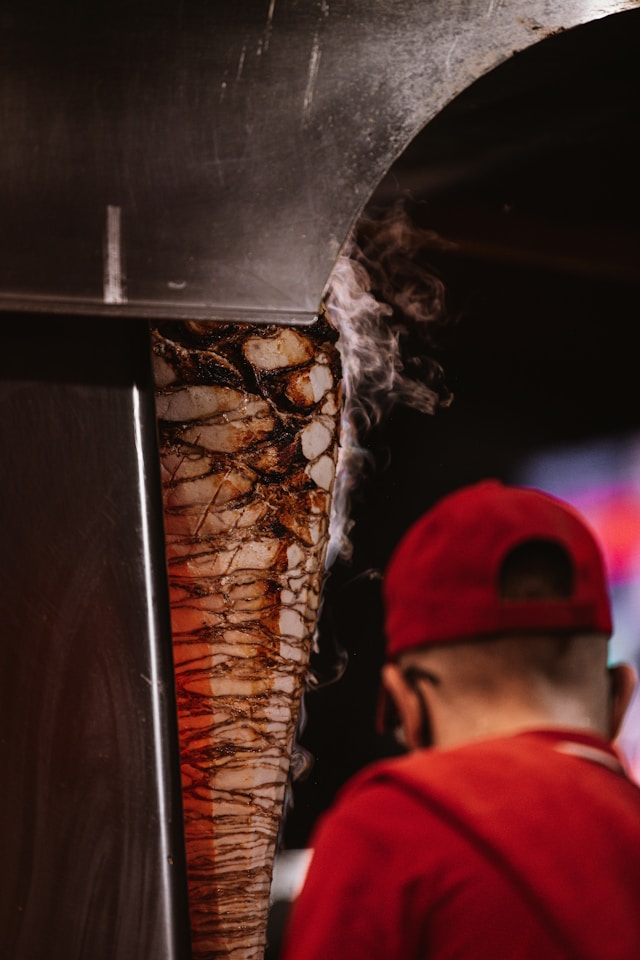 You can learn a lot about the Middle East from shawarma. There’s heat, there’s spices, everyone’s moving around, and no one has any idea who started it all or when it’s going to end. And there’s also the constant debate – where is the best shawarma?
- “My brother, only in Jaffa!”
- “No, no, there’s one in Kiryat Shmona…”
- “Leave you, Be’er Sheva, Shawarma Abu-Moshe!”
- “Shawarma only in Haifa in Wadi Achi”
Each and their own faith. Like religion. Only with more cholesterol.
Shawarma is our last hope
When the country is turbulent, when the news is depressing, when the people are divided, when the left and the right are fighting – Shawarma is waiting for us in the corner. It doesn’t ask if you voted. It doesn’t check if you’re in favor of reform. It’s just there, with coleslaw, runny tahini, and a look that says: “Forget about everything, brother, one bite and you’ll understand why you were born.”
Because in the end – there’s one thing we can all agree on:
Shawarma in pita – is life.
הירשמו כדי לקבל את הפוסטים האחרונים אל המייל שלכם