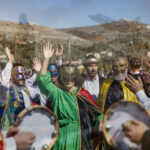
Sukkot 2025 🍋: The Feast of Ushpizin, the Uninvited Ushpizin, and the World That Has Not Yet Learned to Host

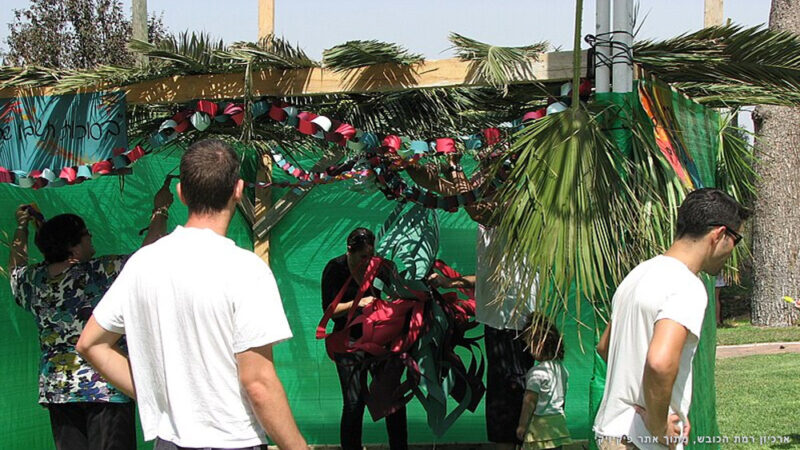
There is something almost amusing about the fact that the most beloved holiday in the Jewish calendar is also the most practical. After the Ten Days of Repentance, the Yom Kippur fast, and spiritual dramas that culminate in forgiveness between neighbors who fight over parking spaces, the holiday of Sukkot arrives and offers us a solution: Leave everything behind you, go outside to the Sukkah, eat, sweat, laugh, and live a week under palm branches as if you were in the Sinai desert at 40 degrees.


After all, we are a people who survived 3,000 years, rose from the ashes of great empires, built a progressive state in the heart of the Middle East – and then voluntarily choose to spend seven days in a makeshift tent in a parking lot. If this is not proof of Jewish stubbornness, I don’t know what is.
Sukkot is a holiday of paradoxes: on the one hand, it symbolizes the transience of human life and the fragility of our existence. On the other hand, it is a happy, colorful holiday full of feasts. We are essentially saying to the world: Yes, we know that life is temporary, so let’s eat more kegels and hang paper chains in the sukkah. This is Jewish philosophy at its best – turning fragility into celebration.
The Sukkah: The Most Permanent Temporary Home in the World
The Sukkah itself is an accurate metaphor for our status as a people. We have always been a bit temporary: in the Spanish diaspora, in the Eastern European diaspora, even in Palestine during the British Mandate era – we always knew that our walls were made of cloth and that the roof was a few thin branches. But it is precisely this impermanence that has made us a people with deeper roots than any palm tree.
Today’s Israel builds skyscrapers, launches satellites, conquers high-tech peaks – and has still not given up on building a Sukkah with tarpaulins from the warehouse and a plastic table that was given a new life after Passover. There is something proud about this: we are not ashamed of our desert origins and do not give up the symbol of freedom in simplicity.
The Uninvited Ushpizin
According to tradition, we invite seven “ushpizin” to the Sukkah – Abraham, Isaac, Jacob, Moses, Aaron, Joseph and King David. If they had actually arrived, they would probably have been surprised to discover that this time they had to go through a security check at the entrance to the Sukkah due to the security situation, and that there is no longer a donkey parked nearby.
But in 2025, unfortunately, along with the holy ushpizin, several uninvited guests will also arrive: anti-Semitism is on the rise in the world, which from time to time manages to creep even into our joyful holidays. When Jews in France hang sukkah decorations for fear of being recognized, when students in the US are afraid to hoist the Israeli flag on the door of their campus sukkah – it reminds us that the loose branches of the thatch are still exposed to foreign winds, not just those of October.
There is something cynical about this: the world is ready to accuse us of almost anything, but if we build a sukkah on a balcony in Tel Aviv, there will surely be someone in Brussels who will be outraged that we are “harming the Palestinian urban landscape”.
Jewish humor is alive and well
With all its seriousness, Sukkot in Israel is also one of the funniest holidays there is. It’s the holiday when young couples discover that the sukkah that’s “enough for the two of us” becomes crowded already at the first dinner, when neighbors compete over who has the longest paper chain, and when everyone knows that the neighbor who built the most luxurious sukkah will end up seeing it fall apart in the first storm of the holiday.
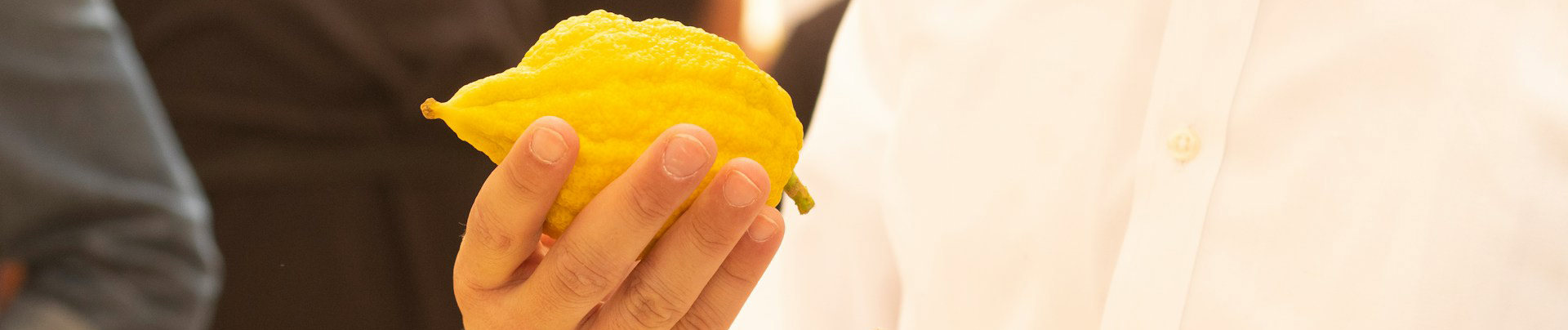
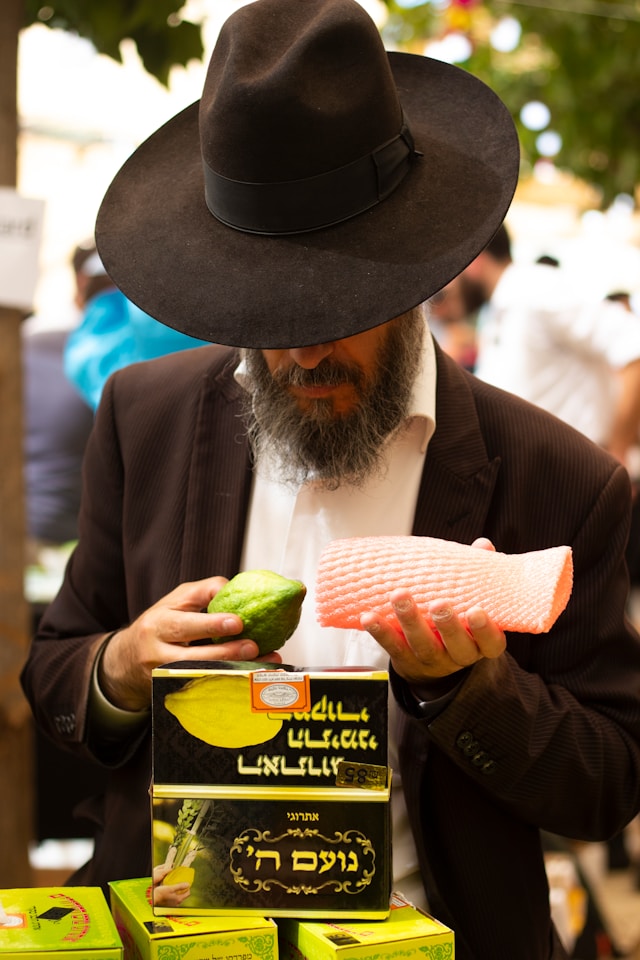
You can’t forget the eternal discussions about the four species: there’s always someone who knows someone who bought an etrog for 500 shekels because it’s “fancy,” and then the child accidentally drops it into a fruit salad. Or the fact that no one really knows what to do with the willow after the Hosanna – except hold it like a children’s rubber sword.
 Sukkah vs. Anti-Semitism – A Symbol of Resilience
Beyond jokes and joy, Sukkah has a strong Zionist message: Despite everything the world throws at us, we are here, in the land of our ancestors, building a sukkah on the roof of our house in Jerusalem, Haifa or Sderot. After two thousand years of exile in which the sukkah was perhaps the most tangible memory of the lost Temple, today it stands at the heart of a living and vibrant Jewish state.
It is a message of Jewish pride: We were nomads Who moved the Sukkah from place to place, and today we host soldiers on vacation, laughing children and neighbors with a bottle of blue and white wine. This is the true victory over all our haters – that we turned the symbol of the temporary into a symbol of permanence, the ephemeral into eternity.
Wishes for the end of the holiday
As we enter the Sukkah this year, with paper decorations from the garden, a lulav that has not yet dried and holiday food on a folding table, we should remember: the Sukkah holiday is not only a memory of the distant past but also a reminder that every permanent home is first and foremost a small Sukkah built in the heart.
And to all the haters of Israel around the world – you should take a good look at the Sukkah: it may be temporary, but it has been standing for thousands of years. We are here to stay, with the thatch, with the Oshpizin and with our sense of humor, which manages to survive any storm.
Happy Sukkot, especially happy – because there is nothing more Jewish than being able to sit in a rickety Sukkah, laugh at the rain and know that we have, in fact, won.
הירשמו כדי לקבל את הפוסטים האחרונים אל המייל שלכם