The City That Never Sleeps — But Now Prays Facing East

November 2025: When New York, the World’s Most Jewish City, Elected a Muslim Mayor — and What It Says About America’s Future
And I, Albert, your faithful servant still Thinks “Bagels and Lox” Are a Religious Experience
Welcome to the New Age of “Inclusiveness”


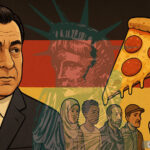
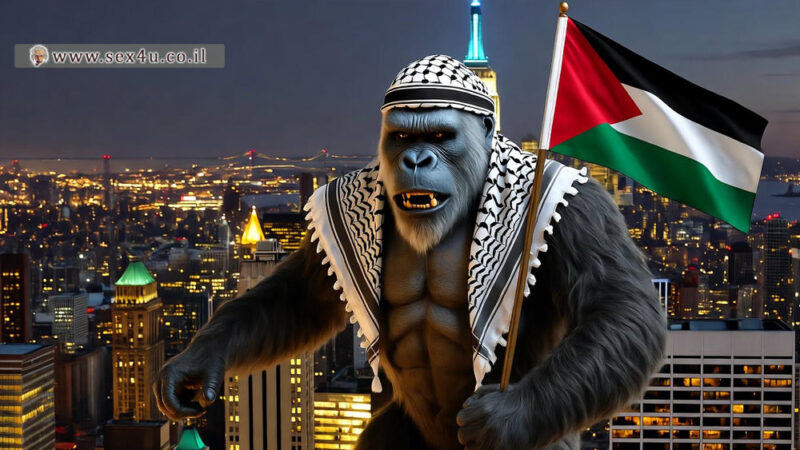
Well, it happened. November 2025. New York City — home to more Jews than Tel Aviv, more kosher delis than mikvehs, and more arguments about who invented the bagel — has just elected its first Muslim mayor, Zohran Mamdani.
A proud progressive, BDS supporter, and son of Ugandan-Indian immigrants, Mamdani represents everything the modern American Left adores: identity over ideas, symbolism over substance, and a moral compass that spins faster than a dreidel in a hurricane.
This isn’t just a political victory. It’s a spiritual statement. Not New York declaring to the world, but to itself: “We’re so tolerant, we’ll even tolerate our own disappearance.”
From Parliament to the Falafel Stand
To be fair, Mamdani isn’t a classical anti-Semite. He’s just… universally compassionate — except when it comes to Zionists, Israelis, or anyone who believes Jews deserve a country.
He says all the right things: “Some of my best friends are Jewish.” “I oppose all forms of violence” (except for the “resistance” kind). “We need bridges, not walls” — which sounds lovely until you remember the subway barely works, the streets are chaos, and every “bridge” in New York is now a tent city.
But the press loves him. He speaks fluent Twitter, smiles for TikTok, and has mastered the progressive holy trinity: empathy, victimhood, and zero accountability.
The Last Jewish City on Earth
Few people grasp the symbolism here. For over a century, New York was the global capital of Jewish life — a city where the shtetl met capitalism, where Torah study collided with Broadway, and where you could be both a neurotic intellectual and a cultural giant.
Now, under Mamdani, that fragile balance has snapped.
The synagogues are shrinking, the antisemitic attacks are rising, and the university campuses — once filled with Jewish professors — now compete over who can host more “decolonization” lectures about why Israel shouldn’t exist.
The irony? The very Jews who built New York’s cultural power are now funding the activists who despise them. That’s not post-Zionism. That’s post-reason.
Islam in America: Not Conquering, Just Integrating — Brilliantly
For decades, the story of Islam in America was one of peaceful immigrants and quiet mosques. No longer. With over 4 million Muslims nationwide, political Islam has evolved from a demographic curiosity into a cultural force.
Hollywood normalizes it, academia romanticizes it, and politicians weaponize it — all while Americans congratulate themselves for being “open-minded.”
Mamdani isn’t the revolution. He’s the result.
The result of a nation that replaced faith with feelings, pride with guilt, and identity with hashtags.
And the Jews?
As usual, the Jews will figure it out — a little too late.
Or, as one Brooklyn rabbi put it:
“When neo-Nazis burn the Israeli flag, we panic. When progressives do it, we take a selfie.”
The young Jewish elite of Manhattan doesn’t see itself as Jewish anymore — just as “allies,” “activists,” or “global citizens.” They don’t cry for Israel. They apologize for her.
Meanwhile, the Jews of Queens, Brooklyn, and Monsey are locking their doors, watching the news, and realizing that the melting pot is starting to taste a lot like yesterday’s hummus.
What It Means for Us in Israel
For Israelis, this isn’t just a distant curiosity. It’s a warning.
Because identity — once you treat it as a joke — ends up being written by someone else.
American Jews treated their Jewishness as a private matter, a warm memory, a cultural spice. Mamdani treats identity as power — and he’s right to. Politics rewards those who claim it.
Tolerance is wonderful, until it’s used against you.
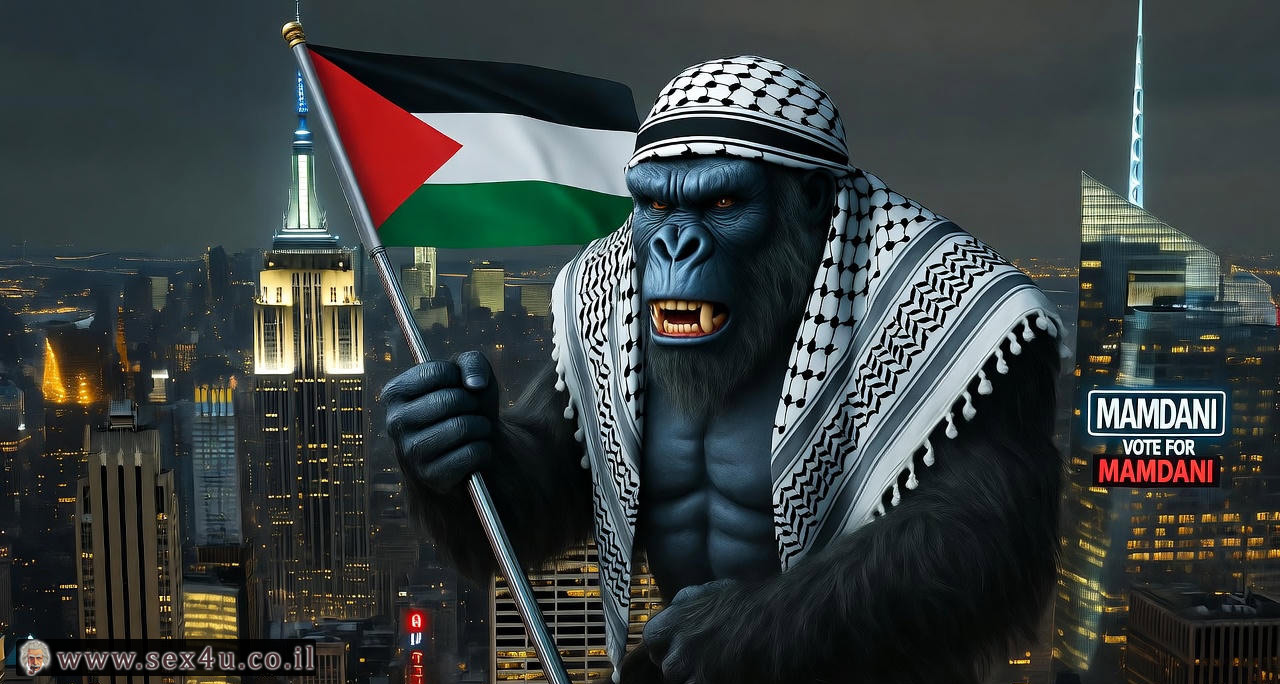
Epilogue: The City That Used to Be Ours
The headlines are ecstatic: “First Muslim Mayor of New York!”
But beneath the celebration lies unease — the quiet sense that a chapter has closed.
New York, the beating heart of the Jewish diaspora, has turned into a mirror of its fears: self-doubt disguised as virtue, guilt packaged as enlightenment.
Mamdani was elected democratically, yes — but democracy itself, as we’re learning, can die from too much self-confidence.
So the next time a New York Jew sees a new mosque rise beside a crumbling synagogue, or a sign that says “From the River to the Sea,” maybe they’ll remember that this didn’t happen overnight.
It started with a simple desire — to be liked.
Meanwhile, far away, in that noisy little country they keep apologizing for, Jews are still proud, loud, and armed — and maybe, just maybe, the last guardians of their own story.
Because while New York sleeps, Jerusalem still wakes up early.
הירשמו כדי לקבל את הפוסטים האחרונים אל המייל שלכם