
The Iranian Enemy

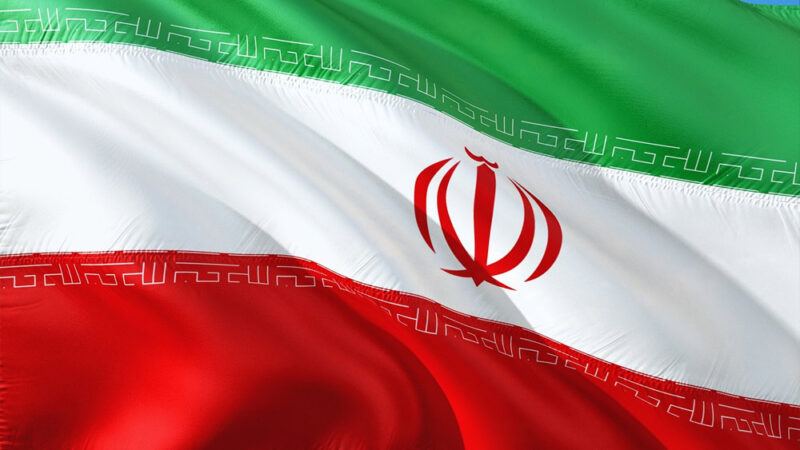
How a nation of poets and pistachios became Israel’s favorite nightly villain
When Iran Met Prime Time


If someone had told you back in 1977 that within a few decades the word “Iran” would trigger fear, drama, and a Channel 12 news alert, you’d have laughed — or sent them to edit the nightly bulletin.
And yet, here we are.
Where there are missiles, there are headlines.
Where there are nuclear tests, there’s breaking news.
And when it comes to Middle Eastern imagination awards, Israel and Iran are always neck and neck.
When Did Iran Become the Enemy?
Once upon a time, Iran was actually a friend. Under the Shah, there were cultural exchanges, a bit of oil, some fake smiles, and a lot of polite diplomacy.
Then came 1979 — the Islamic Revolution. Overnight, anyone not aligned with the Ayatollah was a heretic.
And if you’re Israel, you’re not just any heretic — you’re a Zionist heretic with a small but ambitious dream of ruining the Islamic utopia.
Since then: missiles, sanctions, fiery speeches, and far too many nuclear conferences.

The Iranian as a Literary Character
The “Iranian enemy” as portrayed in Israel isn’t just a country.
He’s a screenwriter, a director, a sound designer, and an expert in absurdist theater.
Think about it:
He appears in every newscast.
He’s always scheming, plotting, recruiting militias in Iraq, building rockets in Lebanon —
and still finds time to enrich uranium in Isfahan.
All that’s missing is a Netflix special written by him and hosted by Guy Pines.
The Israeli Mind’s Eye: What Does an Iranian Look Like?
In the average Israeli imagination, the Iranian is a cocktail of:
A grumpy ex-general from the Defense Ministry,
a mad scientist straight out of a B-movie,
and a cyber hacker from Hadera moonlighting as a revolutionary.
He’s got a mustache.
He speaks Farsi with menacing subtitles.
He always has a red button on his desk.
And he hates us.
Truly. Passionately.
So much that even his tweets explode in under 140 characters.
Poetry, Pistachios, and Paranoia
Here’s the absurd part:
We know that ordinary Iranians are wonderful people.
They love poetry, pistachios, handwoven carpets, melancholy music, and philosophy.
But say “Iran” on the evening news, and the Israeli pulse spikes instantly.
From cabinet meetings to neighborhood WhatsApp groups — “Did you hear what happened in Tehran?”
It’s as if we’re all extras in a spy thriller where every 12-year-old Iranian is a potential recruit for Hamas, Hezbollah, or at least an engineering student at Tehran University.
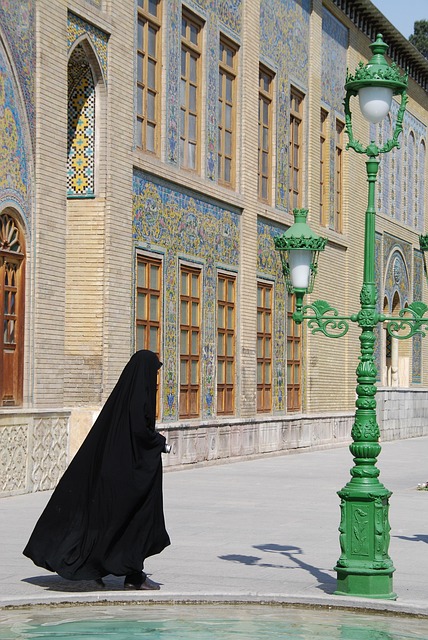
War on Screen, Peace in the Kitchen
Israel treats Iran like a geopolitical version of Big Brother:
We watch them 24/7 — and try to evict them every week.
Each time, “foreign sources” report another mysterious explosion, leak, or drone strike.
Maybe it was Israel.
Maybe it was an accident.
Maybe some poor Iranian pressed the wrong button while making Turkish coffee.
And honestly? The average Israeli has no issue with the average Iranian.
Quite the opposite — serve him hummus with Persian lemon and black pepper and he’ll say, “They really know their flavors.”
The Bomb, The Fear, and the Life Insurance Commercial
Every great conflict needs a plot device — ours just happens to be nuclear.
Once a year, the International Atomic Energy Agency releases its report,
and Israeli media immediately ask:
“How long until breakout?”
“Will Israel strike?”
“When exactly does the apocalypse start?”
Because apparently, it’s not enough to worry about rent, gas prices, and the national budget — we also need a dash of Armageddon with a hint of enriched uranium.
Sometimes it even sounds like a soft-sell insurance ad:
“When Iran goes nuclear, make sure your car’s insured — and your brakes are new.”
What If We Ever Actually Met?
Could it happen? A simple, human moment — an Israeli and an Iranian sharing tea and lavash bread?
Picture this surreal, but not impossible, scene:
An Israeli tourist gets lost in Turkey and bumps into a friendly Iranian.
They start speaking broken English. Within five minutes they’re:
Comparing recipes.
Trading insults about their leaders.
Complaining about insane real-estate prices.
And taking a selfie next to a falafel stand.
Because people, deep down, are always saner than their governments.
And the differences? Thinner than a schnitzel.
The Enemy, the Imagination, and the Post-Nuclear Israeli
Iran is a convenient enemy — distant, mysterious, and endlessly dramatic.
But that’s exactly why it’s worth pausing, breathing, and remembering:
On the other side are people — with power bills, back pain, and kids throwing food at dinner.
Does that mean there’s no threat? No.
Does that mean we should laugh about it sometimes? Absolutely.
Because if there’s one thing Israelis know how to do — even with missiles, uranium, and sanctions in the mix —
it’s to laugh.
And then eat.
הירשמו כדי לקבל את הפוסטים האחרונים אל המייל שלכם