The New Israeli – what the hell happened to us?


How the “Iron Swords” War Rewired Israeli Social Identity – and Killed a Few Comfortable Illusions


Not long ago, the Israeli was a fairly simple creature.
He complained about the cost of living, hated politicians across the board, believed everything was “bullshit anyway”, and between reserve duty and a barbecue still managed to convince himself that “it’ll be fine.”
Then came the “Iron Swords” war.
Not another round.
Not another headline.
A slap to the face – the kind that doesn’t invite “How are you?” but demands “Where were you when it happened?”
Since then, something broke.
Or, to be more accurate: something snapped into place.
The Israeli Before – and the Comfort of Illusion
Before the war, Israel lived inside a carefully curated bubble.
A strong army, a booming tech sector, apps for everything, and a generation taught that history was just another app you could close.
Israeli identity became flexible.
A bit global citizen, a bit Tel Avivian, a bit “not really into flags”, and very into “it’s complicated”.
There was no need to know who the enemy was.
No need to pick a side.
The main thing was not to sound old-fashioned, nationalistic, or – God forbid – confident.
Then Came the Moment You Can’t Outsmart
On October 7th, more than a fence collapsed.
A fantasy did.
There was no “narrative” – there was a massacre.
No “conflict” – there was murder.
No “complexity” – there were civilians dragged from their homes in pajamas.
And in that moment, identity came back.
No permission requested.

The New Israeli – Less Apologetic, More Awake
The new Israeli wasn’t born in TV studios.
He didn’t read a thesis.
He didn’t ask the world for approval.
He woke up and asked one brutally simple question:
“Who’s with me – and who’s against me?”
That’s a seismic shift.
Suddenly, saying “we” is allowed again.
Uniforms are no longer embarrassing.
The flag is a symbol, not a festival accessory.
Not out of euphoria.
Out of cold clarity: if you don’t define yourself, someone else will – and not in your favor.
Israeli Society: Less Ironic, More Exposed
Cynicism didn’t disappear.
It’s far too Israeli for that.
But it changed.
Less “everyone’s trash”, more “some are good, some are evil”.
Less “not my problem”, more “this is my problem – it’s knocking on my door”.
People started talking again about solidarity without smirking.
About heroism without quotation marks.
About sacrifice without footnotes.
Not because we became romantics.
Because reality canceled the option of indifference.
The Screen Generation Meets the Trench
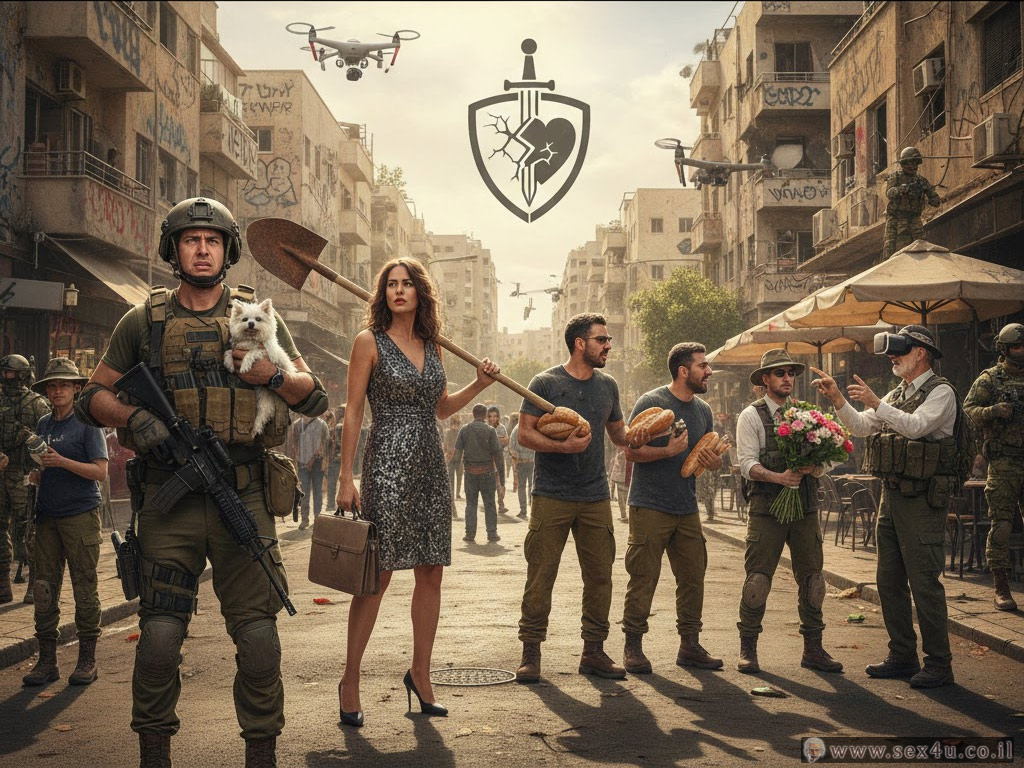
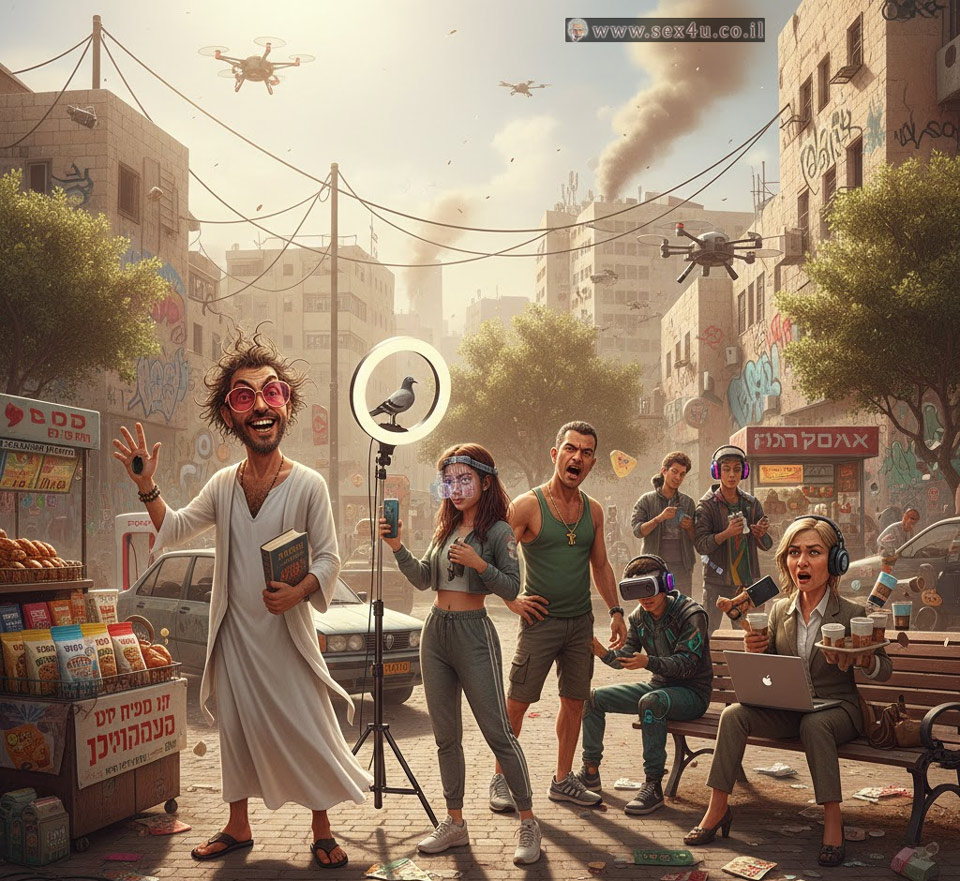
One of the most fascinating collisions was between the Instagram generation and the rediscovery of trenches.
The same young people dismissed for years as shallow, detached, and allergic to responsibility suddenly found themselves holding weapons, losing friends, and learning what real weight feels like.
Without leadership seminars.
Without empowerment workshops.
A new identity formed:
Less obsessed with self-image, more grounded in reality.
Less “how do I look”, more “who’s standing next to me”.
Left, Right – and the Moment of Sobering Up
The war didn’t turn everyone right-wing.
It didn’t erase disagreements.
But it did expose an uncomfortable truth:
there’s a limit to identity games.
At some point, reality demands decisions – not interpretations.
Many Israelis realized their positions were comfort-dependent.
That principles lasted exactly until the price became personal.
This isn’t moral judgment.
It’s human nature, finally stripped of filters.
The New Israeli Isn’t Perfect – and Knows It
He’s still angry.
Still argumentative.
Still deeply distrustful of his leaders.
But he’s less naïve.
Less addicted to illusions.
Less willing to be told he’s the problem.
He understands that a living society isn’t measured by how “enlightened” it sounds, but by how willing it is to fight for its existence – physically, culturally, and mentally.
What Survived from the Old Israeli?
The humor survived.
The nerve survived.
The creative chaos survived.
But a new layer was added:
awareness.
The understanding that Israel isn’t a temporary project.
That identity isn’t role-play.
And that life here demands a choice – not neutrality.
Bottom Line, No Slogans
The new Israeli didn’t ask to be born this way.
He was pushed there.
The war didn’t make us better people.
It made us more honest ones.
And in a place where you can no longer dodge the question “Who are you?” –
the answer, for better or worse, is Israeli again.
הירשמו כדי לקבל את הפוסטים האחרונים אל המייל שלכם