
The Sphinx Doesn’t Smile

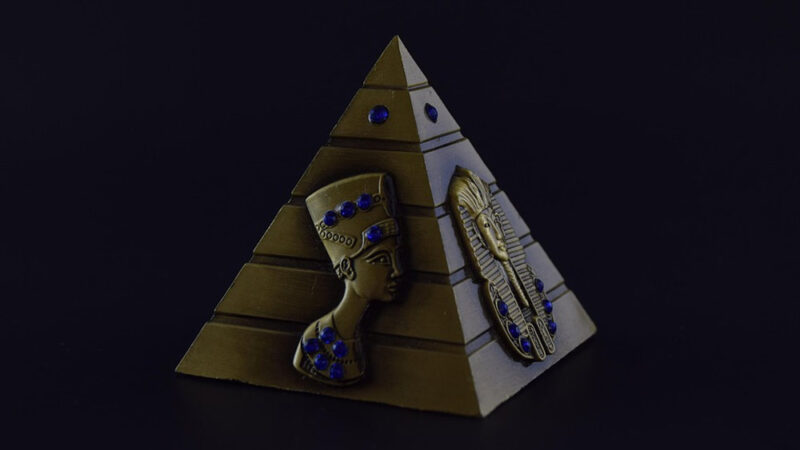
Egypt, Israel, and the Art of Being the Sourest Neighbor in the South**


Israel and Egypt.
Two countries. Five wars. One peace treaty.
And more sour faces than a Tel Aviv investment conference after a losing year.
At the center of this long, awkward relationship stands Egypt.
Present, but distant.
At peace, but without hugs.
Cooperating – carefully – with gloves on, sunglasses, and industrial-strength antibacterial gel.
Which leads to the question Israelis have been asking for roughly 3,000 years, ever since we left the pyramids with swollen feet:
What do the Egyptians actually want from us?
A National Trauma They Still Haven’t Processed
Let’s start with history.
No matter how much time passes, the Exodus is not a holiday in Egypt – it’s a collective trauma.
We celebrate liberation.
They’re still trying to explain to their grandchildren how a nation of slaves managed to:
- Walk out with their labor force
- Wreck the Nile economy
- Destroy half the crops
- And leave with a divine constitution
While Egypt was left with pyramids and a drowned Pharaoh.
Add to that the inconvenient fact that Israel went on to become a functioning state – with an army, technology, a startup economy, and Gal Gadot’s Instagram – while Egypt is still marketing the same pyramids as its flagship attraction.
(The new museum? Still not fully open. Like much of the Egyptian economy, it’s permanently “almost there.”)
Cold Peace: Because Warmth Would Expose the Truth
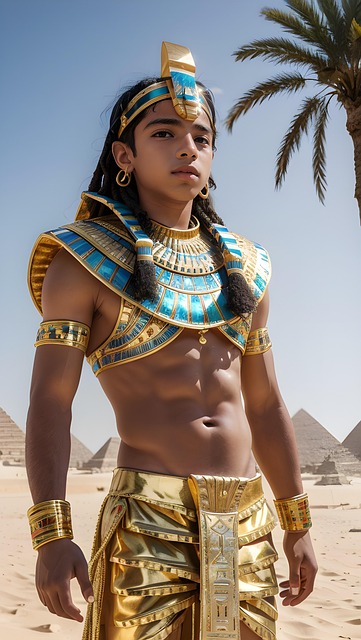 Since the 1979 peace treaty, Israel and Egypt have maintained one of the strangest relationships in modern diplomacy – something like a meticulously arranged marriage with a prenuptial agreement, separate bedrooms, and a strict no-eye-contact policy.
On the ground:
- Security cooperation is deep
- Egypt coordinates closely with Israel against Hamas in Sinai
- Intelligence channels run hot
In public?
- Israel remains “the Zionist entity”
- School textbooks still teach “Israeli aggression in 1967”
- Any positive media mention of Israel is censored, removed, or at minimum followed by theatrical gagging
Because Egypt understands something very dangerous:
If Egyptians were allowed to like Israelis, things could spiral quickly.
First, dates with Tel Avivians.
Then binge-watching Fauda.
Then – God forbid – actual peace.
And that would destroy entire careers in regional commentary.
The Little Big Brother Complex
For thousands of years, Egypt was an empire.
The Nile flowed.
The Pharaohs towered.
Life was good – assuming you weren’t a Hebrew slave or a firstborn son.
Then, in the span of seventy years, the Jews reappeared, built a state, created a democracy (roughly), and economically overtook Egypt with higher GDP per capita, autonomous coffee machines, and digital tax systems.
This was not the plan.
From Cairo’s perspective, Israel was supposed to remain a minor agricultural province somewhere near southern Lebanon – not become a regional success story while Egypt struggles with debt, inflation, and an eternal loop of nostalgic Sadat-era cultural festivals.
Resentment, in this case, is structural.
The Fear of Israelis Who Understand Arabic
Another deeply unsettling issue:
Israelis listen – and understand.
While the average Egyptian assumes he’s speaking freely on radio or television, somewhere an Israeli grandfather from Jerusalem – who emigrated from Egypt in the 1950s – is casually correcting the accent and identifying whether the speaker is from Cairo or Port Said.
They talk.
We listen.
They shout “Death to Israel.”
We reply in Arabic – politely.
Nothing unsettles propaganda like an audience that understands it better than the speaker.
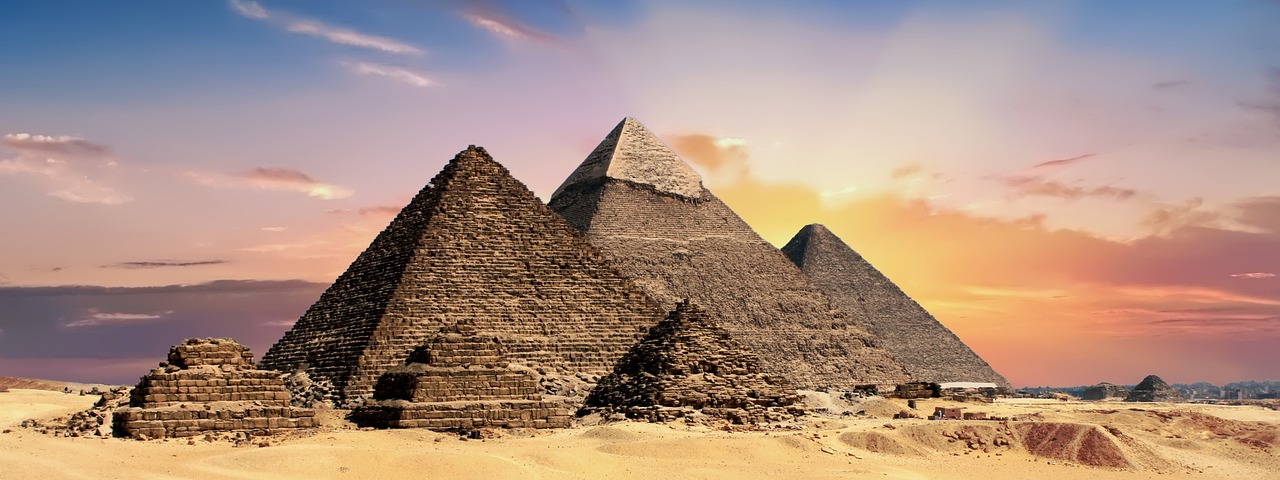
And Then There’s the Gas
Today’s elephant in the room is natural gas.
Egypt buys gas from Israel.
Refines it.
Exports it to Europe.
And makes a great deal of money.
Economically, Israel helps stabilize Egypt’s budget.
Publicly, this is an embarrassment.
It’s like ordering food from an ex you despise – because she’s the only one who still cooks like your grandmother.
No TV discussions.
No headlines.
Certainly no pride.
So What Do They Really Want From Us?
The honest answer?
Quiet.
They want Israelis not to stand out too much.
Not to remind them we exist.
To cooperate discreetly – without cameras, without statements, and without asking anyone to admit we won again.
They want to feel like the regional leaders while watching us in the rearview mirror.
They want to be part of the “moderate axis” – but without being quoted in Israel Hayom.
They want us as the talented neighbor – the one who doesn’t talk too much at the building meeting.
Conclusion: Warm Relations, Served with a Plastic Spoon
Israel and Egypt are like two neighbors who once fought violently, signed a peace agreement, built a fence, now communicate through a community police officer – and secretly hope that one day they might have a barbecue together.
Just without onions.
Without spicy food.
And without mentioning 1973.
There is chemistry.
There are interests.
There is even hope.
But like every Middle Eastern love story,
until we put tefillin on each other –
we’ll keep watching from a distance, with mild suspicion and a restrained half-smile.
Because if there’s one thing the Egyptians truly excel at,
it’s not loving you out loud –
but continuing to live next to you,
long after all the stories have been told.
הירשמו כדי לקבל את הפוסטים האחרונים אל המייל שלכם