
What Are They Selling Us as “Cultural Discourse” and Why Does Every Argument End With a Threat to Cancel You?

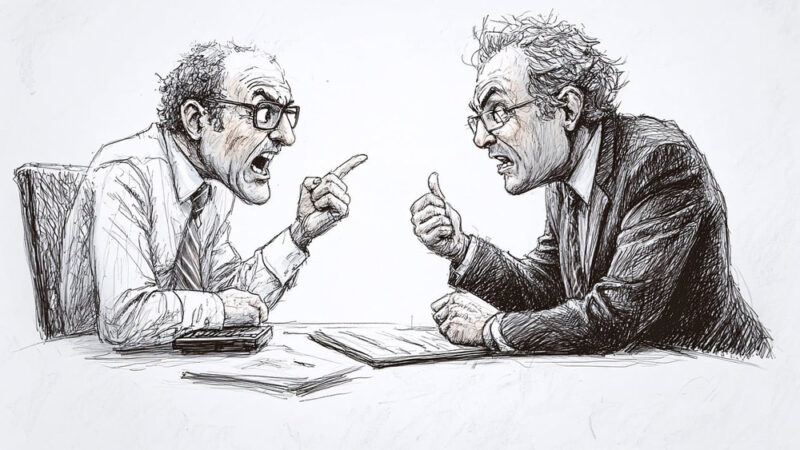
How Political Correctness Turned Dialogue Into a Commercial Weapon


Opening line: “Let’s talk about it… but only if you agree with me.”
Once upon a time, “cultural discourse” meant something almost charming: two reasonably intelligent, reasonably polite people arguing about things they disagreed on – and occasionally leaving the room still on speaking terms.
Today? Say something that doesn’t align with the guidelines of the National Consensus Committee, and you should brace yourself for cancellation, boycotts, professional exile, or at the very least a public Twitter shaming featuring the full bingo card: #Hate #Fascism #Nazism #OutdatedViews.
Welcome to the battlefield of “cultural discourse” in an era where culture is just a code word for political marketing – and “dialogue” is basically a shouted monologue with moral sound effects.
The Doctrine of the Boycott: When Arguments End, Ultimatums Begin
It usually starts innocently enough. Someone expresses an opinion.
For example: that children might benefit more from learning math than from “dynamic, fluid, post-structural gender awareness.”
Seconds later, the response arrives – not as a counterargument, but as a call to boycott the person, their book, their workplace, their podcast, and ideally their grandmother.
Because disagreement now equals danger.
And if you’re dangerous, you shouldn’t be allowed in public space.
And if you’re in public space, someone might feel “unsafe.”
And if someone feels unsafe, we’re already halfway to a legal briefing.
So it’s better if you simply disappear.
Civil discourse, remember?
Who Decides What You’re Allowed to Say? (Hint: Not You)
Every era has its priests.
Once they wore robes. Today they wear Uniqlo, speak fluent moral outrage, and carry a social justice logo somewhere near the heart.
They talk endlessly about “compassion,” while quietly maintaining blacklists.
They demand “diversity,” as long as everyone thinks the same.
They insist on “representation of all voices,” provided those voices stay within a very specific ideological color palette.
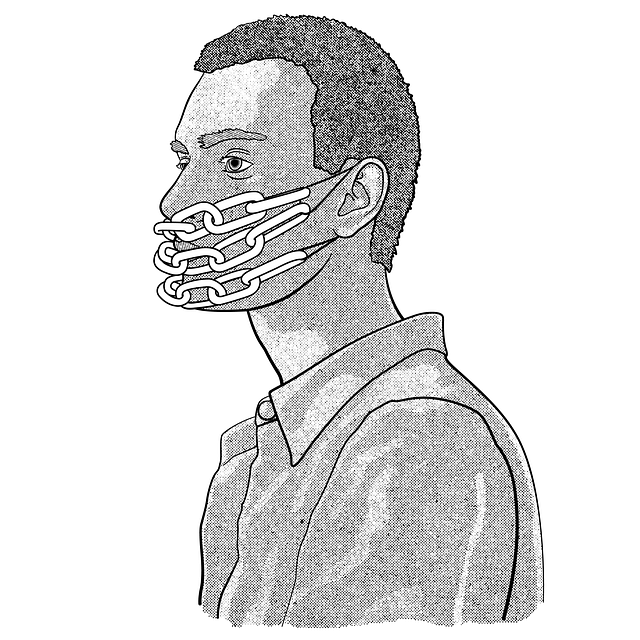
Step outside it, and your opinion isn’t just wrong – it’s “harmful,” “dark,” or the ultimate modern curse: “not aligned with community values.”
The Method: Language as a Manipulation Tool
Like any product sold successfully, “cultural discourse” comes with careful branding.
You don’t say silencing – you say creating a safe space.
You don’t say censorship – you say moderating hate.
You don’t say boycott – you say ethical consumer activism.
And if you object? You’ll be accused of “canceling the right to free expression of marginalized voices,” because how dare you criticize people who are busy criticizing you?
The words sound wonderful. They’re wrapped in soft slogans about inclusion and empathy.
In practice, you’re free to express yourself – as long as you express them.
The New Definition of Dialogue: You Stay Quiet, I’m Right
In the old days, the ideal was debate. Argument. Disagreement.
Today’s upgraded version of dialogue looks different: you listen, nod, apologize in advance, and sign a statement of support.
It doesn’t matter whether you believe it. Support it anyway.
Because otherwise the real discussion begins: “What does this say about you?”
(Spoiler: it says everything.)
We no longer live in a society that legitimizes differing opinions.
We live in one that raises an eyebrow at the very desire to discuss them.
It’s Not You – It’s the Algorithm
And let’s not forget the real gatekeepers: the platforms.
The algorithm has already decided what you’re allowed to think.
YouTube deletes. Twitter censors. Instagram quietly buries your post.
Not because you were vulgar – but because you failed to include the proper keywords:
“inclusion,” “intersectionality,” “climate justice,” “intercultural sensitivity.”
One wrong word, and suddenly you’re flagged as a conspiracy theorist with problematic energy.
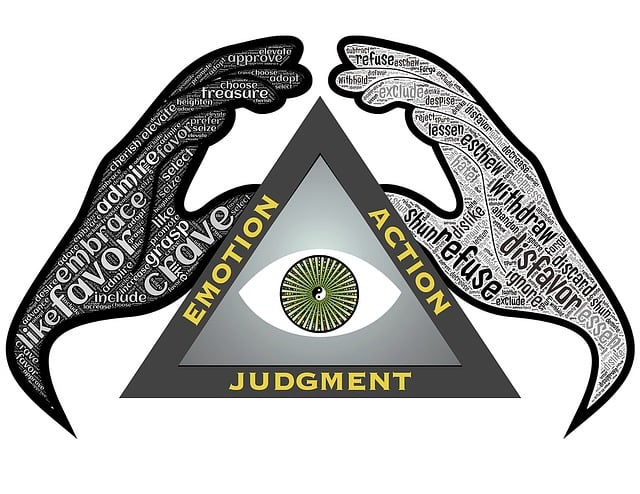
Conclusion: Choose – Freedom or Likes
The real question isn’t whether you support this opinion or that one.
It’s whether you support the existence of opinions that aren’t yours.
Because real cultural discourse isn’t a university lecture title.
It’s the courage to hear things you disagree with – and respond with arguments, not threats.
It’s the ability to argue without erasing.
So next time someone asks you to “speak respectfully,” check first whether they actually want a conversation – or just your silence.
Want to talk about it? Great.
Want to boycott me? Fine – let’s part as friends.
For now.
As long as friendship itself hasn’t been canceled yet.
הירשמו כדי לקבל את הפוסטים האחרונים אל המייל שלכם