
☕ What Is Israel’s Judicial System Really Selling Us?

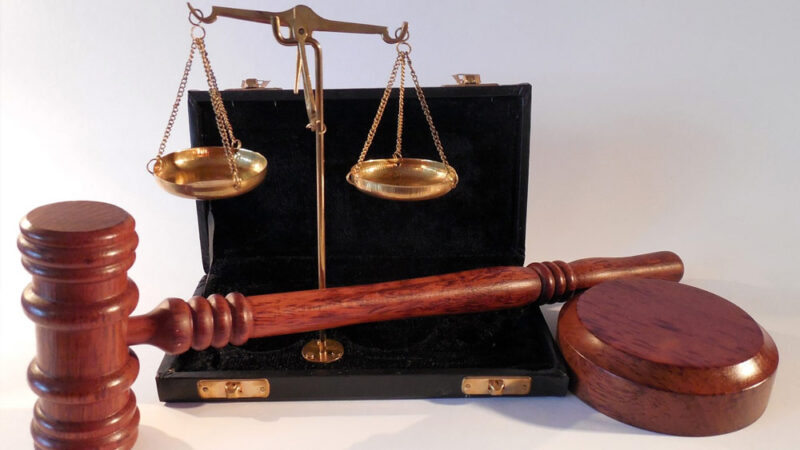
When judges sip an espresso of “rule of law” — with a shot of activism on the side
Once Upon a Time, There Were Judges



There was an era when the word judge conjured an image of an elder in a black robe, booming voice, and commanding finger pointed toward the accused as he thundered:
“Silence! I rule!”
Today?
Judges look more like retired lawyers with an agenda.
Rulings read like Facebook posts.
And court decisions sound like something that barely passed a “values committee” at the National Theater.
Because the modern Israeli judicial system doesn’t just judge —
it decides for you what is right, what is moral, and what is, in its favorite phrase, “unreasonable.”
Welcome to the Kingdom of “Reasonableness”
In normal countries, there’s the law.
In Israel, there’s also the law —
but if it doesn’t align with a judge’s personal worldview,
there’s a magical button called “Extreme Unreasonableness.”
It’s not a clause.
It’s not legislation.
It’s a gut feeling — dressed in legal precedent and wrapped in a robe.
In plain English:
“The Knesset can do whatever it wants — as long as the Supreme Court approves.”

“Separation of Powers”? Depends Who’s Asking
When the court interferes in ministerial appointments, budgets, or government policy —
that’s called “defending democracy.”
But when the Knesset or the government tries to influence judicial appointments?
Suddenly, it’s “a grave threat to institutional independence.”
In other words:
Separation of powers = “We’re the judges. You — go separate from your power.”
Who Watches the Watchmen?
We used to think judges were the guardians of democracy.
The problem?
No one’s guarding the guardians.
If a cop makes a mistake — there’s an investigation.
If a Knesset member crosses a line — there’s an ethics committee.
But when a judge strikes down a law passed by an overwhelming democratic majority?
That’s called “reasonable judicial discretion.”
It’s like giving someone the keys to the country —
but refusing to share the code with the government, the public, or even the law itself.
The State Attorney’s Office: Where Ideology Meets Enforcement
 Try being a right-wing politician with a bold idea —
and watch how quickly you get hit with an investigation, a warning letter,
or at the very least — a conveniently timed media leak.
But if you’re from the “right” circles, hold the “balanced” views,
and maybe have a few friends in the legal clique —
suddenly, everything gets delayed, postponed, or forgotten.
In Israel, political cases aren’t handled like in a courtroom —
they’re handled like the front page of Haaretz.
The Right-Wing Conclusion: The Rule of Law Matters — But It’s Not the Rule of the People
A public that no longer trusts its judicial system —
not because of conspiracy theories,
but because of decades of evidence —
has every right to ask some uncomfortable questions:
Why do judges appoint judges?
Why is the Attorney General both the government’s lawyer and the final word on its actions?
Why is a conservative opinion labeled “biased,”
but a progressive one praised as “objective”?
So What’s the Fix?
Don’t be afraid to talk about reform.
Don’t treat every court ruling as divine decree.
Demand transparency, diversity, and real checks and balances — even for the judiciary.
And above all, remember:
The rule of law is a tool — not a substitute for the will of the people.
הירשמו כדי לקבל את הפוסטים האחרונים אל המייל שלכם