Who are you, Vladimir Putin, and what are you going to do to Europe?

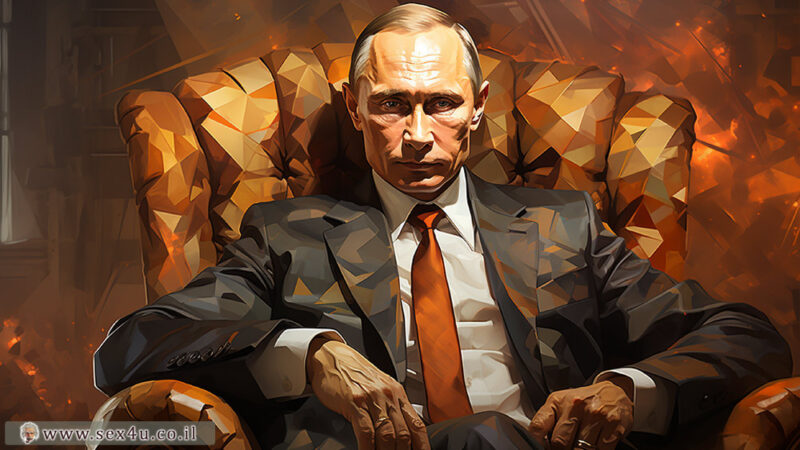
Putin, the 21st century tsar who heats Europe with anxiety instead of gas
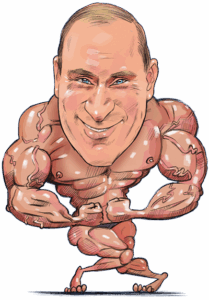 The man who returned from the past, with a taste of natural gas
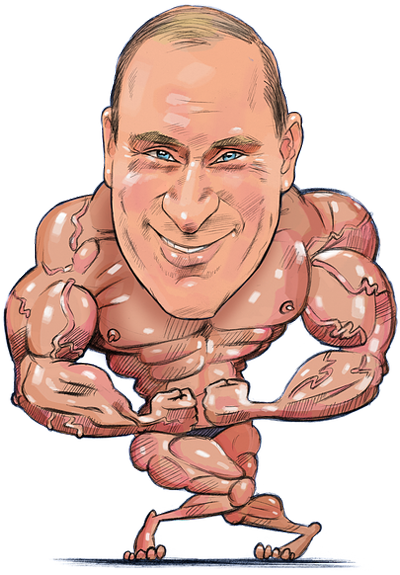
Vladimir Vladimirovich Putin, the man the world had already hoped would retire to a fishing boat on the banks of the Volga, stubbornly refuses to leave the stage. October 2025: Instead of being a tired old man with memories of the KGB and the old Soviets, Putin has once again become a major player on the international stage – like a veteran actor who refuses to understand that the audience has already changed.
Europe, for its part, is confused: it wanted to indulge in green energy, wind turbines, and turbines that beg for the sun in mid-December. But those who still control the gas and oil taps know that when it’s cold and the pipeline is closed – ideologies melt like snow in Russia in April.
European weather and Putin: a cold dependency


The European Union in 2025 is like a high school student who vows to cut ties with his problematic ex (Putin), but continues to secretly check his stories. After the invasion of Ukraine in 2022, Europe declared “we will never use Russian gas,” but when winter came – the green heroes froze and begged to turn on the taps a little. Putin, of course, smiled his cold smile and played the role of the international merchant: “Do you want heat? Pay in euros or waive sanctions.”
2025 brought with it an advanced version of the game: Russia cut off gas supplies to Austria and parts of Germany in mid-September, citing “technical malfunctions.” The Europeans jumped like someone who realized he had forgotten to pay an electricity bill in the middle of a minus ten-degree storm.
Putin, anti-Semitism, and Israel as a thorn in the throat
It is impossible to talk about Putin without mentioning his double game against Israel and the Jews. On the one hand, the Kremlin continues to present itself as a supporter of Jews (as long as it concerns Holocaust memorials and photo-ops with rabbis). On the other hand, Russian propaganda does not skimp on implicit anti-Semitic biases: “Jews rule Ukraine,” “Israel is responsible for the West’s weapons,” and a host of other conspiracies that have found a warm home in the Russian Telegram.
While anti-Semitism is rising throughout Europe—attacks on synagogues in France, alarming increases in anti-Israel demonstrations in Germany and Brussels—Putin is seizing the opportunity to present himself as the “protector of the conservative world” against the “degenerate West” and the “Jewish lobby.” This is a calculated move: he knows that the old manifestations of hatred in Europe provide him with a comfortable playing field against a public opinion tired of human rights.
From a Zionist perspective, Israel finds itself trapped between a Chinese hammer and a Russian anvil: on the one hand, it is trying to maintain security ties and channels of coordination with Moscow in Syria; On the other hand, I know that behind the Tsar’s creamy smile lies the same ancient rhetoric that has not forgotten who was the scapegoat in every European crisis.
Europe as a lump of clay in the Tsar’s hands
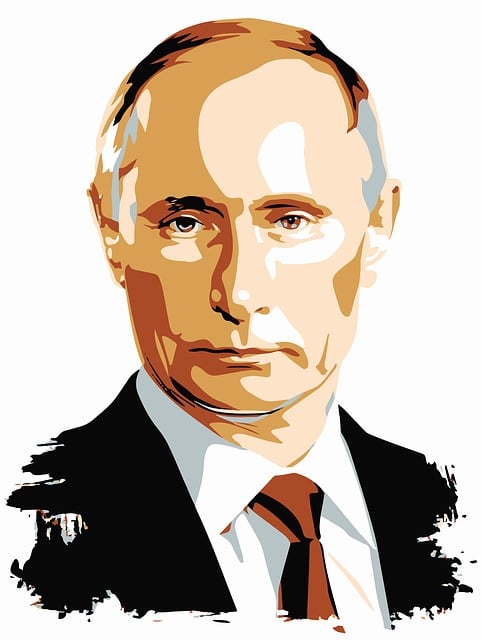 What is Putin actually going to do to Europe? Judging by the signs until October 2025 – he is not planning another major invasion (at least not now), but prefers to remain the boss of gas and chaos.
His new strategy: “Break the front from the inside” – exploit the internal rifts in the European Union. In Germany and Hungary, voices are rising against sanctions; in France, discussions are heating up around the rising cost of living; in Italy, far-right parties are flirting with the idea of renewing relations with Moscow. All of this plays into the Kremlin’s hands.
Europe is meanwhile looking for a new hero to unite it against the Russian bear – but so far it has mostly received leaders with impressive speeches and limited warm-ups.
The Tsar’s Dark Humor
Putin is a master of sarcasm. At a press conference in September, he coldly joked that if Europeans want to be free from Russia, they should “warm themselves with the energy of liberal values.”
This humor is especially chilling when it comes with the addition of cruise missiles over the Black Sea. There’s something ironic about a conservative leader, supposedly fighting “Western decadence,” using the same 19th-century tools: pipes, bluffs, and implicit threats.
October 2025—Where Is It Going?
Recent weeks have suggested that Putin is banking on Western fatigue. The war in Ukraine continues at a reduced intensity but without a resolution; American support for Ukraine has waned as the U.S. election approaches; and Eastern European countries are beginning to feel they are paying the price alone.
This is exactly the image Putin wanted: a Europe weak, divided, and shivering – literally.
At the same time, the Kremlin is trying to expand its influence in the Middle East, including moves towards Iran and strengthening military ties with it. This is not just a matter of oil and gas – it is its way of showing that it is still a major player capable of upsetting the balance of power in the Israeli arena as well.
The Israeli Perspective: Between Cynicism and Pride
 For us Israelis, Putin is a painful reminder that the world may have changed technologically, but the old dynamics of tsars, anti-Semitism, and blaming Jews for a faltering economy remain.
Faced with European extremism and anti-Israeli protests on the streets of Berlin and Paris, Israel remains the sane democratic island in the Middle East – but also a constant target for political poison coming from both East and West.
You can laugh, you can be indignant, but there is something comforting in knowing that our people have already seen tsars, emperors, princes and super-leaders of various kinds – and survived them all. Putin, for us, is another chapter in the history book of Europe that is struggling to wean itself from the need for a Jewish enemy to explain its troubles.
The man who brought the chills back to Europe
The Vladimir Putin of 2025 is not just the ruler of Russia; he is a symbol of the past who refuses to move from the stage. He reminds the world that the Cold and Hot Wars are never really far away, and that dependence on cheap energy can become a weapon in the wrong hands.
For Europe, he brings a valuable lesson in basic chemistry: gas + politics = conflagration.
And for Israel – a reminder to remain proud, strong and alert, because every wave of anti-Semitism in Europe always finds a new justification.
If you will, Putin is proof that cynicism and black humor are not just writing tools – but an entire strategy for managing a crumbling empire.
הירשמו כדי לקבל את הפוסטים האחרונים אל המייל שלכם