
Who the hell wants peace with our neighbors?


Who Exactly Wants Peace With Our Neighbors – When Hatred and Barbarism Are Their Prime Exports ?
Peace is a beautiful word.
It sounds responsible. Civilized. Adult.
It photographs well and wins awards.


The problem is that peace, like any functional relationship, requires two sides – and preferably two societies that still value life more than death.
In Israel, we talk about peace constantly. We talk about it as if it’s a nearby destination:
“One more concession.”
“One more gesture.”
“One more display of goodwill.”
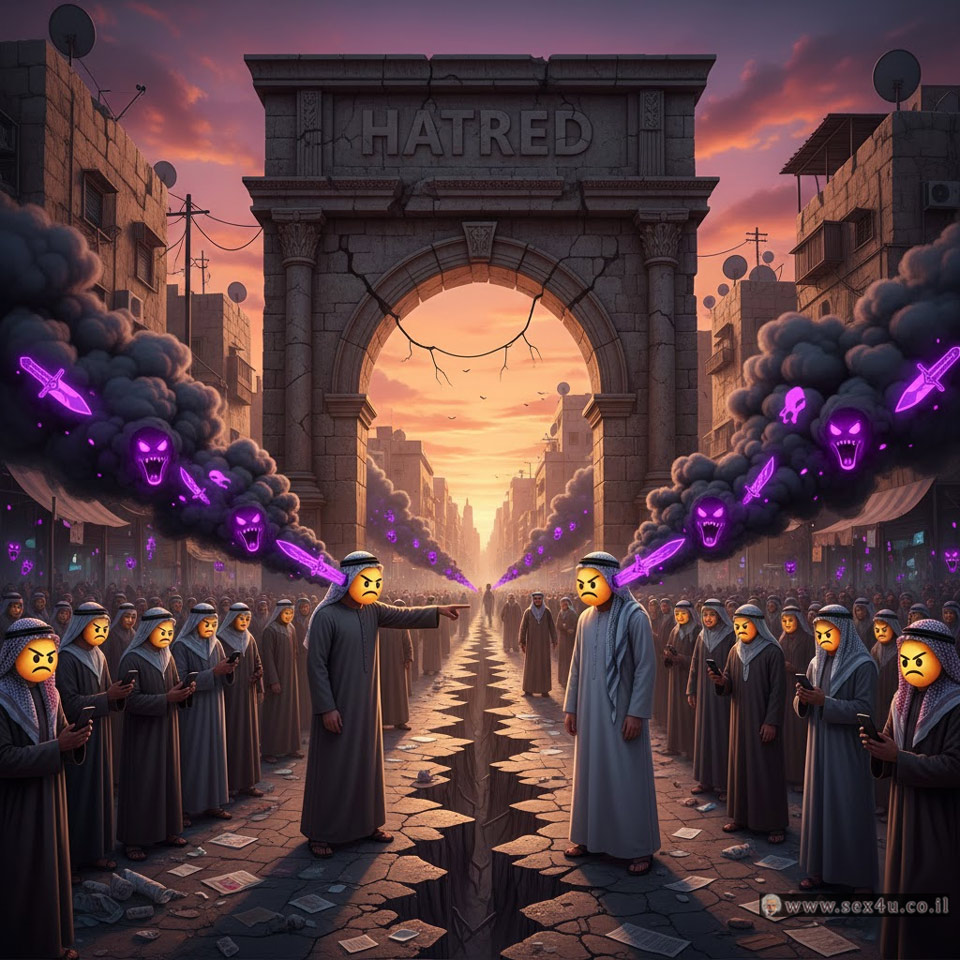
Then you turn on the television in a neighboring country, scroll through Arabic-language social media, or take a serious look at what children are taught there – and the fantasy collapses.
This isn’t fringe material.
It’s mainstream.
Peace Is Not a Contract – It’s a Culture
Peace is not a document. It’s not a signature. It’s not a press conference.
Peace is the byproduct of a culture.
A culture that accepts the legitimacy of the other.
That prioritizes life over martyrdom.
That teaches children a future instead of a grievance.
And that’s where the conversation becomes uncomfortable.
In much of the region around us, hatred of Israel is not the result of a conflict. It is an identity.
Not a reaction – a foundation.
Not something that emerged after 1967 – something that existed long before 1948.
When media, sermons, schoolbooks, children’s programs, and official social channels repeat the same message – that Jews are a permanent enemy, that Israel is a historical mistake, and that violence is not tragedy but virtue – it becomes difficult to describe this as “a basis for peace”.
“But They Want Peace Too”, Right?
Of course they do.
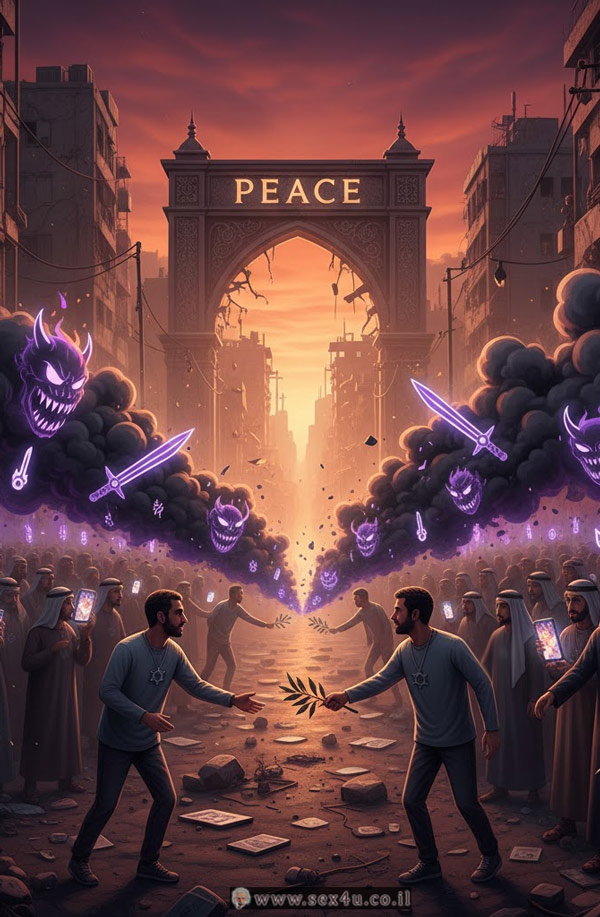
Arsonists also want peace – as long as the fire is on the other side.
What is often offered to Israel as “peace” follows a very specific structure:
Peace where we apologize and they incite.
Peace where we concede and they rearm.
Peace where we “show restraint” and they educate for revenge.
That is not peace.
It is a one-sided ceasefire with good branding.
You Cannot Make Peace With a Death Cult
This is not racism. It is cultural diagnosis.
A society that glorifies suicide bombers, elevates mass murderers to hero status, and financially rewards the families of terrorists is not “not ready yet” for peace.
It does not want it.
Peace requires accountability.
And the first act of accountability is honesty:
there are political cultures in this region that do not view human life as sacred, but as expendable.
In such an environment, peace talk is either naïveté or strategic self-harm.
So What – You Don’t Want Peace?
On the contrary.
We want peace desperately.
But real peace, not imaginary peace.
Peace with societies that stop teaching children to hate.
Peace with leadership that stops broadcasting murder as achievement.
Peace with those who understand that Israel is not a temporary inconvenience, not a colonial glitch, and not a negotiating tactic – but a permanent fact.
Until then, what Western observers often label as “regional desire for peace” is largely a projection of their own hopes onto societies that never signed up for the fantasy.
Peace Is Born From Change – Not From Good Intentions
Peace doesn’t emerge from slogans.
It emerges from education.
From responsibility.
From the systematic dismantling of incitement.
Until that happens, when hatred pours unfiltered from neighboring media ecosystems – raw, obsessive, and openly violent – it is not only legitimate but necessary to ask:
Who exactly wants peace with neighbors who have yet to decide whether they want a future – or an endless performance of grievance, wrapped in blood and broadcast in HD?
Peace is a worthy goal.
But it is not a substitute for clarity.
And sometimes, the most immoral act of all is pretending peace is just around the corner – while the screams in the background are impossible to ignore.
הירשמו כדי לקבל את הפוסטים האחרונים אל המייל שלכם