Israel 2026 – Security as a State of Mind

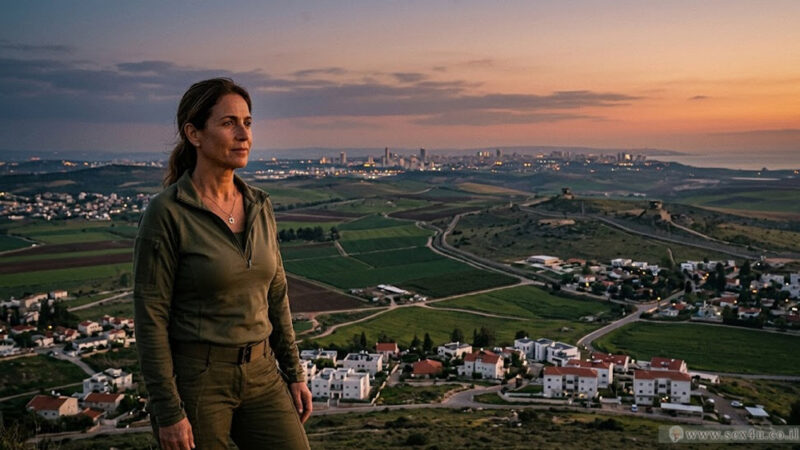
Once upon a time, security was a profession.
There were generals, maps, cabinet meetings, and the adorable belief that if you won a war, peace would eventually show up.


Cute.
In 2026, security in Israel is no longer a field of expertise.
It is weather.
It is a psychological condition.
It is an app notification.
It is the daily question of whether to send your kids to kindergarten with a water bottle or with a helmet.
Nobody here really asks, “Are we at war?”
The real question is:
“What kind of war are we having this week?”
Hezbollah in the north, Hamas in the south, Houthis from Yemen, Iran from the skies, TikTok from China, the BBC from London, and some politician climbing the Temple Mount for spiritual cardio.
In short: multi-front warfare.
Or, as we call it in Israel: Tuesday.
It Used to Be “It’ll Be Fine” – Now It’s “Where’s the Safe Room?”
The average Israeli in 2026 does not check the rain forecast.
He checks:
- How many seconds do I have to reach shelter?
- Does the parking garage count as protected space?
- Is a vacation in Greece actually a vacation, or just a more scenic assassination attempt?
- And why is the woman from the third floor using the bomb shelter to store her spinning bike?
The home front became the front line,
and the front line became a WhatsApp group.
Home Front Command no longer sounds like a military unit.
It sounds like an anxious divorced parent.
“Please remain near a protected area.”
Thank you, brother.
I also remain near my mortgage.
That does not make me calm.
Iran Is No Longer a Headline – It’s a Roommate
According to an INSS public survey from early 2026, a majority of Israelis believe renewed confrontation with Iran is not a question of if, but when.
Iran is no longer perceived as a future threat.
It is like an annoying subtenant.
Always there, never paying rent, occasionally sending drones.
The big lesson of 2026 is that there is no longer such a thing as “containment.”
There is only:
“How long until the next round?”
And the Israeli citizen?
He no longer asks whether there will be a war with Iran.
He asks whether to book summer vacation before it starts or after.
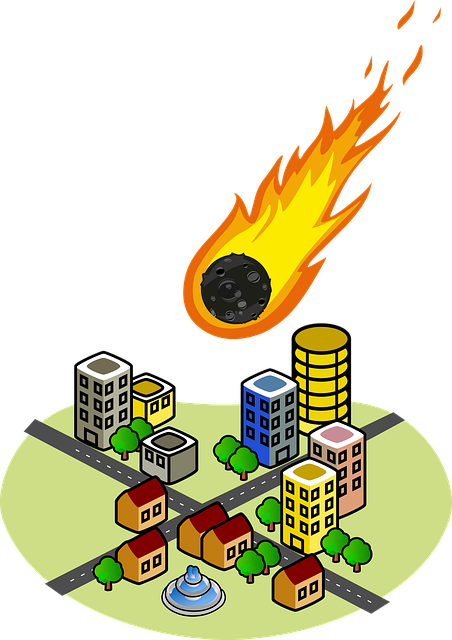
The North: Quiet Tension, Which Is Basically a Diet With Burekas
There are ceasefires.
There are also post-Passover diets.
Both tend to last about the same amount of time.
Every few weeks we hear that things are “under control,”
which in Israeli military language usually means:
“Please do not unpack emotionally just yet.”
Residents of the north are no longer interested in speeches.
They want one simple answer:
Can we go home without becoming a statistic?
The government replies:
“We are evaluating.”
In Israel, “we are evaluating” is the official stage right before:
“Good luck, figure it out yourselves.”
Personal Security? Ask Anyone Applying for a Gun License
The state has realized something important:
If you cannot protect everyone, at least let everyone feel like Clint Eastwood.
More gun permits, more personal defense, more supermarkets that feel one argument away from a Western duel.
This is not necessarily a security policy.
It is a psychological policy.
And honestly?
In a country where security is mostly a state of mind, psychology is basically half the Ministry of Defense.
Even proposals like the death penalty for terrorists are less about legal doctrine and more about emotional demand.
People want to feel that someone, somewhere, is afraid of us too.
It is not jurisprudence.
It is national exhaustion wearing legal clothes.
Abroad, You’re Not a Tourist – You’re a Potential Target
Once, Israelis traveling abroad looked for duty free.
Now they look for:
- Where the embassy is
- Where not to speak Hebrew
- And where not to post an Instagram story with a flag
National security advisories have become part of travel planning.
Nothing says “relaxing vacation” like checking whether your honeymoon destination is also listed as a high-risk operational zone.
Israeli tourists in 2026 are like very bad spies:
They speak too loudly, order shakshuka in Paris, and then act surprised when everyone knows exactly where they are from.
Elections? Those Are About Security Too, Just in Costume
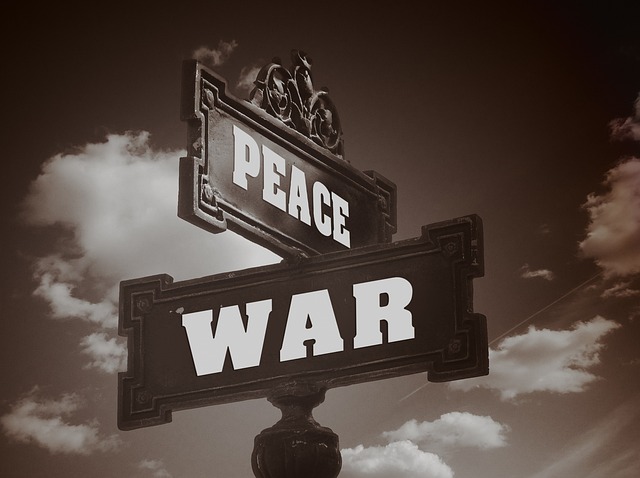 Everyone talks about the cost of living.
But in Israel, the cost of living is simply the economic form of insecurity.
Because when people are not sure tomorrow will be quiet, they do not ask about tax reform.
They ask:
“Who looks less dangerous with access to national launch codes?”
The public is not looking for love.
It is looking for a responsible adult.
The problem is that in Israel, every “responsible adult” eventually ends up screaming on a television panel at midnight.
Usually with three retired generals and one journalist who says “we must ask difficult questions” before asking none.
Security Is the New Religion
People used to ask:
“Where do you stand politically?”
Now they ask:
“So what do you think we should do?”
And it always ends with one of three answers:
- Hit them
- Hit them harder
- Why haven’t we hit them already?
The left calls it militarism.
The right calls it reality.
The center calls it:
“I just want my kids home safely from after-school activities.”
Everyone is right.
Everyone is exhausted.
Final Truth: There Is No Security, Only Anxiety Management
This is the less photogenic truth.
Israel in 2026 does not live in security.
It lives in the ongoing management of insecurity.
And maybe that is the most Israeli achievement of all:
Turning a permanent emergency into a functioning lifestyle.
We get married during wars.
We buy apartments during missile alerts.
We argue about parking while ballistic threats are discussed on television.
And we continue asking the true national question:
“Who ordered this on Wolt?”
This is not resilience anymore.
This is a separate biological species.
The Israeli of 2026 is not looking for peace.
He is looking for quiet.
Two hours.
No sirens.
No breaking news banners.
No retired general explaining why the situation is “complex.”
No political panel featuring twelve people yelling over each other about national destiny.
Just two hours of silence.
By local standards,
that is basically utopia.
הירשמו כדי לקבל את הפוסטים האחרונים אל המייל שלכם
Discover more from Intelligent is sexy
הירשמו כדי לקבל את הפוסטים האחרונים אל המייל שלכם