
Son in the Paratroopers 🪖 my Heart in my Underwear: A Father’s Confession in a War That Lasts Too Long

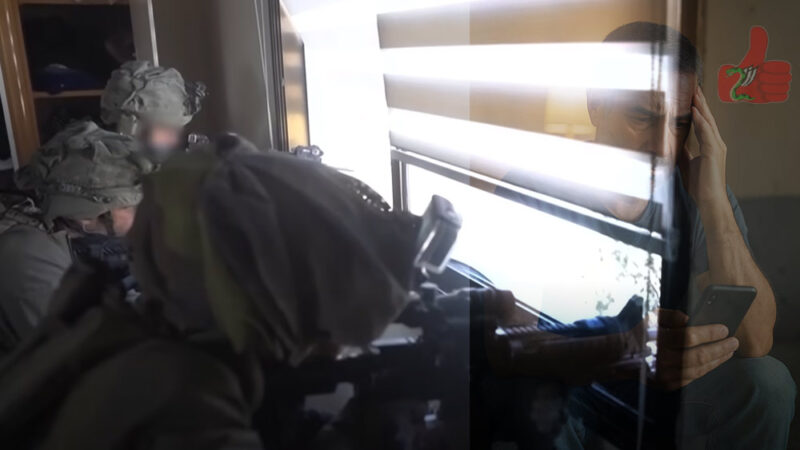


When Everyone Talks About Heroes, Some Stay Behind – In Silence
When everyone talks about the heroes on the frontlines,
I think about the ones who stay behind.
Not in Gaza. Not near the tunnels.
Here. At home.
Between a cold cup of coffee and another Telegram update.
This isn’t a story about heroism.
It’s a story about a father.
A father who doesn’t sleep at night — not because he’s on a mission,
but because it’s been 24 hours since he last got a message.
My son is a paratrooper.
A combat medic.
A hero.
But he’s also my boy —
the same one who used to lose a sock five times a week,
and now carries human lives in one hand and over 90 pounds of gear on his back.
And me?
I’m holding myself together.
Holding my phone close.
And holding on to the silence —
a silence that’s been unbearably loud lately.
Every Call Is an Exercise in Suppression
“I’m heading out now, it’ll be fine,” he says.
As if he’s going to the grocery store — not into Gaza again.
And my heart doesn’t buy it.
It reads between the lines.
Because there’s a language parents of soldiers learn over time —
and it’s not taught on the radio.
 The Secret Dictionary of a Soldier’s Father

You learn fast to translate:
“Can’t give details but I’m fine” = I’m in Gaza.
“Hearing a few noises around” = Tanks and anti-tank fire.
“Everything’s under control” = We just ate tuna after leveling half a street.
“Everything’s okay” = Please, pray hard.
And in between, you develop strange new hobbies:
– Refreshing security analysts’ tweets.
– Trying to identify faces under helmets in blurry news photos.
– Reading every line of commentary as if the writer actually knows what he’s talking about.
The Heart, the Nerves, and Everything in Between
There’s no way to fully describe it — that cocktail of anxiety, pride, frustration, and endless wondering:
“What on earth is my kid doing right now?”
The truth is, it never ends.
When the phone rings — you tense up.
When it doesn’t — you tense up even more.
And when an unknown number calls, or there’s an unexpected knock at the door —
it’s like living inside a slow-motion horror movie that never ends.
You simmer in fear. On low heat. For months.
Life Between Telegram and WhatsApp
When your son’s a soldier, you suddenly gain new “skills”:
Analyzing combat reports.
Studying maps of Khan Younis like you’re planning a route yourself.
Zooming in on helmets and boots in every press photo.
Your son faces tunnels, terrorists, heat, exhaustion, and canned tuna for dinner.
You face guilt.
Longing.
And the ache of not being there for him — exactly when you wish you could.
Risk Management from the Living Room
He’s inside. You’re outside.
He’s on the ground. You’re on Telegram.
Tracking updates, reading briefings, whispering prayers that “minor skirmish, no injuries” doesn’t include your kid — the one with the medic bag and 90 pounds on his back.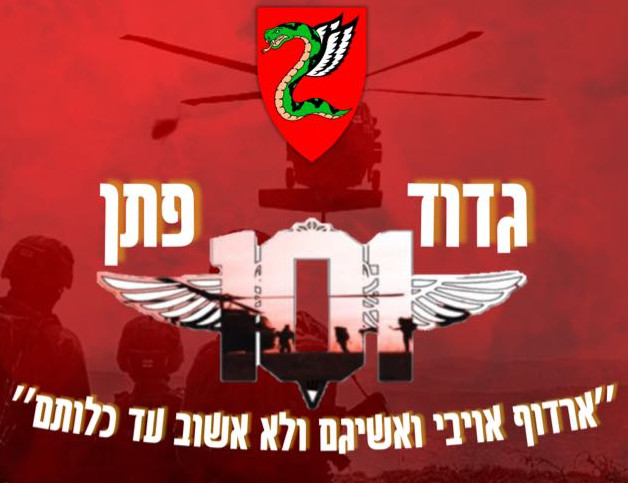
You imagine him kneeling beside a wounded soldier, hearing screams, tightening a tourniquet, signaling for evacuation.
And you — you’re just staring at “Delivered” on WhatsApp.
No blue checkmarks.
No “Dad, I’m fine.”
Just silence.
A silence that feels like an alarm.
What Do You Say When He Calls?
The phone rings — you jump.
You answer calmly, pretending to be in the middle of doing the dishes:
“Oh hey, how’s it going, son?”
And he says, in that dry soldier’s tone:
“I’m fine, routine stuff. We just blew up a few buildings, nothing major.”
But you hear the fatigue in his voice.
You catch the avoidance.
And you don’t ask.
Because you respect the boundary.
When he hangs up, you sigh —
not from relief,
but from knowing: that’s it.
Until the next call.
Not in Uniform, Not in the Field — But Still in the Battle
Fathers don’t get much attention in this story.
But they’re there —
in quiet conversations with themselves,
in the endless news cycles,
in holding the family steady,
and in recognizing that their child has turned from boy to man.
They don’t wave flags or post updates.
Because a father doesn’t need to prove his patriotism —
he lives it, through his son.
And finally, a sentence never sent, but always whispered in the heart:
“Come back safe, my son.
I’m here. Always have been.
Even when you’re there.”
הירשמו כדי לקבל את הפוסטים האחרונים אל המייל שלכם