When the Media Goes to War – And Not Always Against the Enemy

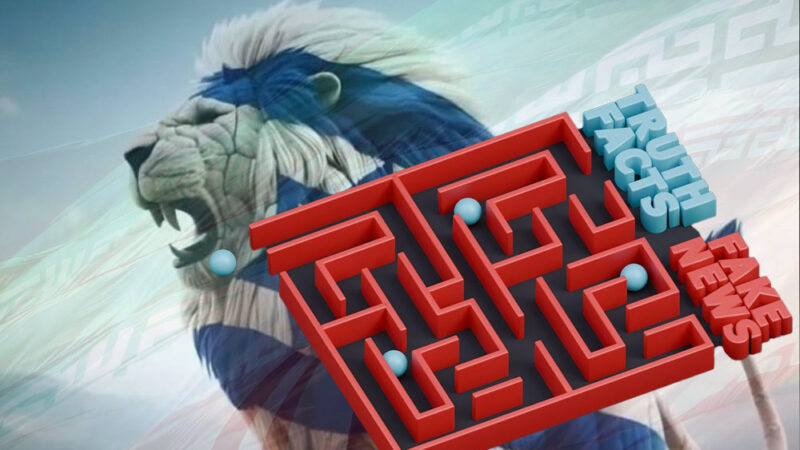
The Battle for Public Opinion: Who’s Really on the Front Line?


There are sirens in the streets, rockets on the border, Hezbollah in the north, Hamas in the south, traffic jams in the center — and in the studios? Panels.
The same “experts,” the same “analysts,” the same “gatekeepers” — fighting their moral crusades in HD, armed with makeup, microphones, and outrage.
Because in our country, during wartime, it’s not just missiles flying — it’s narratives.
And those narratives? Always launched from the same well-manicured hands, aimed in the same direction, at the same country they “deeply love” — as long as it apologizes, retreats, and waves a white flag with pride.
Not Reporting — Programming
Once upon a time, there was journalism.
Now there’s message management.
The media no longer asks, “What happened?”
It asks, “How do we tell it so that one side sounds barbaric — and the other enlightened?”
While soldiers dig trenches at the border, reporters dig tunnels into the public’s brain.
They don’t ask why we were attacked, but why we dared respond.
They don’t show the horror — they measure “proportionality.”
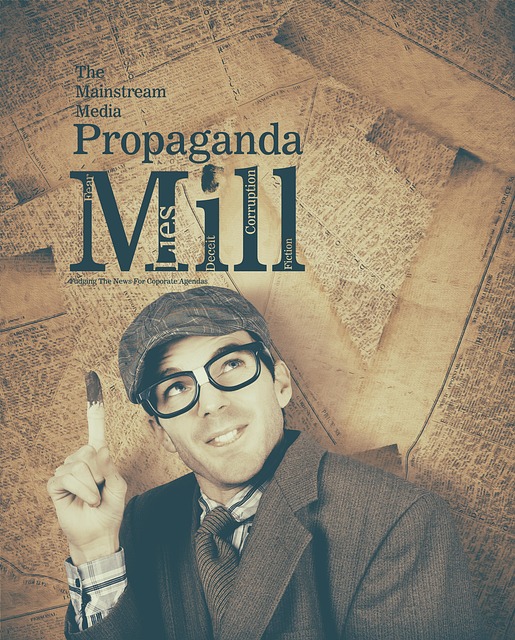
They are so obsessed with self-blame, you’d think they were recruited — just not by the IDF.
The Enemy in the Studio: “Amir, Let Him Finish His Sentence”
What does a news editor do when Tel Aviv is under attack?
Show the destruction?
Interview the wounded?
Quote the Chief of Staff?
Of course not.
He opens with a panel: a university doctor, a foreign journalist, and a representative from a far-left NGO explaining that “violence stems from despair.”
If they’re lucky, they’ll throw in a Palestinian on the line from Qalqilya — you know, for “balance.”
Meanwhile, a resident of Sderot tries to explain he hasn’t slept in three nights —
but gets cut off for commercials.
“Amir, let him finish? Amir?”
The Media: Fear for Some, Serenity for Others
The media loves drama — but only of a certain kind.
If rockets fall on southern towns — it’s a tragedy.
If Israel retaliates — it’s “a dangerous escalation.”
If an Israeli civilian dies — “tensions are rising.”
If a terrorist dies — “a Palestinian was killed.”
Why word it that way? Because someone must remind the comfortable viewer in central Tel Aviv that he’s not supposed to feel too good about winning.
This isn’t a war of good versus evil — it’s a “complex reality.”
That’s Journalism 101: complexity is sacred, as long as it always ends with our guilt.
Social Media: The People’s Last Battlefield

Luckily, in the age of Instagram and Telegram, the public no longer depends on what Guy Peleg chose to emphasize or how Dana Weiss decided to interpret it.
Videos from the field arrive raw — no filters, no sanctimonious narration, no moral manipulation.
But don’t worry, the media still tries to interfere:
They report on “incitement online,” “extreme right-wing rhetoric,” and “posts harming diplomatic efforts.”
Translation: if you write on Facebook that you don’t want another ceasefire returning us to square one — you’re an extremist.
But if you say we must “understand the enemy” — you’re a humanitarian.
While Soldiers Fight — The Studio Maintains “Balance”
Who else gets screen time while soldiers fight?
Human rights NGOs — more horrified by a hole in a wall in Gaza than by a kindergarten hit in Sderot.
Academics with a European morality overdose — warning about Israel’s “ethical collapse.”
Opposition politicians — who seize every explosion as another opportunity to fire at the government, as if Hamas were sitting in the Prime Minister’s chair.
Because in Israeli media, even when the IDF is at war, someone must remind us: maybe we’re not moral enough.
Better not win too decisively. It doesn’t look good on camera.
When the War Ends — The Media’s War Begins
The moment the sirens stop, the documentaries start rolling.
Headlines appear faster than compensation checks:
“Did Israel Bomb Too Much?”
“The Psychological Toll on Gaza’s Children.”
“Moral Erosion Inside the IDF — An Investigation.”
It’s always the same story:
When the real war ends, the media starts its own — not against the enemy, but against those who defended us.
The War Over the Story
Modern media isn’t just information — it’s a national education system, minus supervision.
And its curriculum is clear:
Don’t believe in yourself.
Don’t be proud of the IDF.
Don’t believe victory is possible. That’s not “enlightened.”
But the people aren’t buying it anymore.
They know who the enemy is — and who’s just pretending to be neutral.
They know the difference between a soldier with a rifle and a terrorist with a PR team.
So next time you hear that we must “preserve complexity,” remember this:
Sometimes reality isn’t complex.
It’s just clear.
And as one soldier from the front lines put it:
“We’ll fight — and you’ll report. Just do us one favor — don’t report against us.”
🪖📡🇮🇱
הירשמו כדי לקבל את הפוסטים האחרונים אל המייל שלכם