Big Brother Is Back – This Time Without the SMS Voting

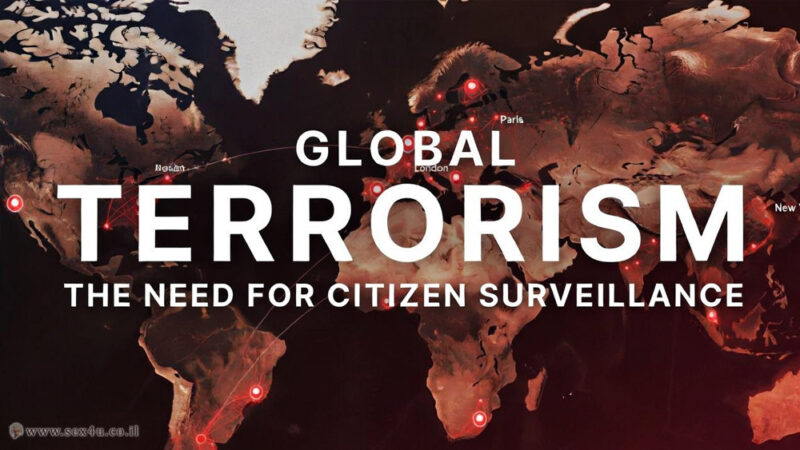
To what extent will our privacy be compromised in the coming years with the increase in global terrorism and the need to monitor citizens?
There’s something almost touching about the way humanity unites around a shared fear. Once it was pandemics. Then wars. Today it’s global terrorism – and, right on cue, comes the familiar “gift”: another layer of surveillance. Not in a shadowy conspiracy sense, but in the far more mundane version – give us a little more of your privacy, and we’ll try to keep you alive.


This bargain is no longer negotiated in smoke-filled intelligence rooms. It’s happening in plain sight – in apps, street cameras, facial recognition systems, and that tiny, meaningless click on “Accept” we all perform without reading. The problem isn’t ignorance. It’s awareness without resistance. We know exactly what’s happening. We just don’t care – at least not until it becomes personal.
Terror Evolves – So Does Control
The terrorism of 2026 is not the terrorism of 2001. It’s decentralized, adaptive, and annoyingly efficient. It runs on civilian infrastructure – social media, encrypted messaging, digital payments. In simple terms: it uses the same tools you use to order takeout.
States respond accordingly. What used to require a court order and a tapped line now runs on algorithms scanning billions of interactions in real time. Surveillance is no longer about “suspects.” It’s about everyone, in order to find the suspects.
This isn’t born of malice. It’s born of efficiency. When you’re searching for a needle in a haystack, you don’t carefully sift through the hay – you burn the stack and analyze the ash.
Privacy: A Right or a Premium Feature?
Let’s be honest about an uncomfortable truth: privacy is no longer a default condition. It’s a premium service.
If you want genuine privacy today, you have to work for it – encrypted devices, anonymized services, constant awareness. Everyone else? You’re living in a beautifully designed digital aquarium.
Here’s the cynical twist: the most advanced democracies – the ones that preach rights the loudest – are also the ones building the most sophisticated surveillance systems. Not because they want oppression, but because they can. They have the technology, the budgets, and a public willing to trade a little freedom for a sense of security – especially when it’s packaged with reassuring words like “prevention” and “safety.”
The Israeli Mindset: “Just Don’t Let It Explode Near Me”
In Israel, the debate is shorter, sharper, and far less theoretical.
After decades of lived experience, most Israelis don’t need philosophical arguments about security. They’ve seen what happens when intelligence fails. So when faced with the choice between privacy and survival, the majority will lean toward survival – and ask questions later.
This doesn’t mean there are no risks. It means there’s a clear hierarchy of priorities. Security isn’t an abstract value here. It’s a daily necessity.
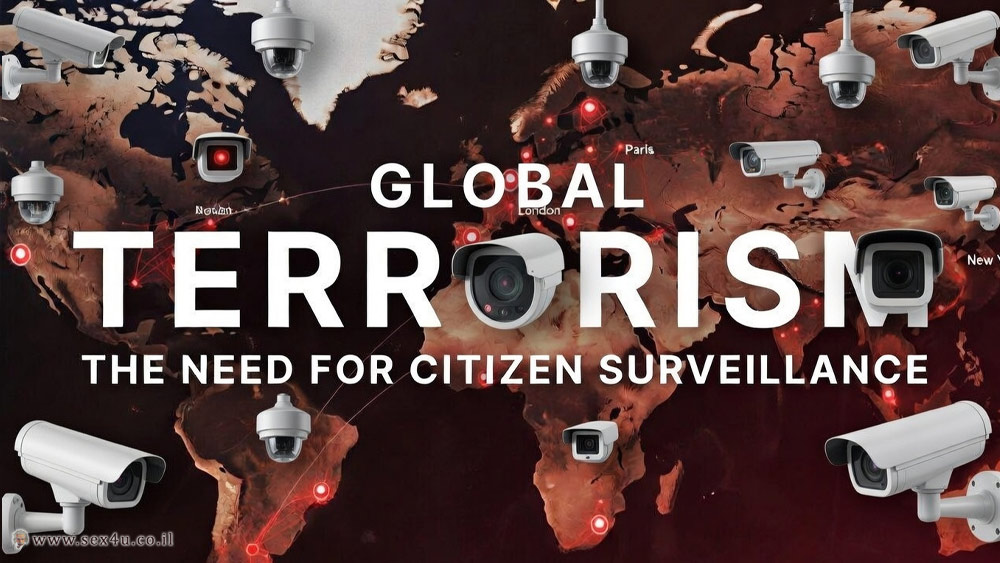
Europe: Values, Reality, and Quiet Contradictions
Europe, on the other hand, performs a more complicated dance.
On paper: human rights, privacy, liberal values. In reality: attacks, migration pressures, and increasing difficulty maintaining control. The result is a strange hybrid – governments publicly defending privacy while quietly expanding surveillance capabilities.
It’s a mix of moral posturing and pragmatic adaptation. Or, put less politely: wanting to keep the moral high ground while slowly installing more cameras.
The difference is mostly stylistic. Europe wraps surveillance in regulation and bureaucracy. Israel wraps it in urgency. The end result is not as different as either side might like to admit.
“I Have Nothing to Hide” – The Most Expensive Lie
One of the most popular modern mantras is: “I have nothing to hide.”
It’s comforting. It’s simple. And it’s wrong.
Privacy isn’t just about hiding wrongdoing. It’s about control – over your information, your context, your narrative. Who sees you, when, and under what interpretation.
Once that control erodes, you don’t automatically become a suspect. But you do become transparent. And transparency, in the wrong hands or the wrong moment, is not a virtue. It’s vulnerability.
The Future: Less Privacy, More Convenience
If we’re making bets, here’s the safe one: the next decade will bring less privacy and more convenience.
Smarter cities. More cameras. Better facial recognition. Behavioral analytics that can predict intent before action. Everything will be faster, smoother, and more efficient.
And the public? It will adapt. Just as it adapted to smartphones, to social media, to the constant sharing of personal life. Because in the long run, convenience beats ideology. Every single time.
So How Much Privacy Are We Losing?
The honest answer: a lot. But not all at once.
There won’t be a dramatic moment when privacy officially “ends.” Instead, it will erode gradually – one feature, one regulation, one software update at a time.
Until one day, you realize everything is recorded, analyzed, and stored somewhere – and you’re no longer entirely sure whether that bothers you.
The Bottom Line – When Big Brother Becomes a Feature
Privacy isn’t disappearing. It’s being redefined.
It’s no longer something you simply have. It’s something you manage – depending on your awareness, your tools, and how much you’re willing to trade for security.
And Big Brother? He’s no longer a threatening figure looming in the background. He’s an app. Clean interface. Regular updates. Seamless integration into your daily life.
Just don’t forget to read the terms and conditions.
Or at least pretend you did.
הירשמו כדי לקבל את הפוסטים האחרונים אל המייל שלכם
Discover more from Intelligent is sexy
הירשמו כדי לקבל את הפוסטים האחרונים אל המייל שלכם