
Current Affairs 2026 – Truth vs. the Algorithm

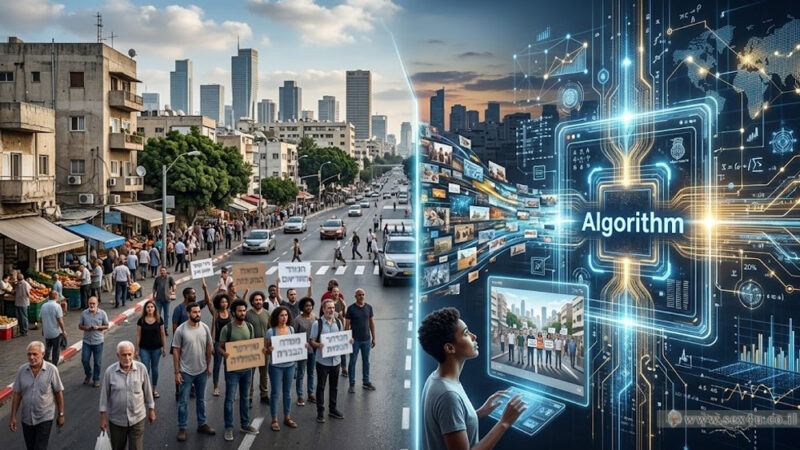
We Used to Search for Facts. Now We Search for Confirmation That We’re Right
In 2026, truth is not dead.


It simply moved to the marketing department, got a new logo, and now arrives as a push notification titled:
“You Won’t Believe What Happened Next!”
Once, if you wanted to understand what was happening in the world, you opened a newspaper.
Then you opened a news website.
Today, you open your phone, and your phone has already decided for you what matters, what is urgent, who deserves your outrage, and whom you should feel morally superior to.
Welcome to the age where the algorithm knows your opinions better than you do.
And sometimes creates them for you.
The Algorithm Is Not Looking for Truth. It Is Looking for Screen Time
This is the part people love to forget.
The algorithm does not ask:
“What is true?”
It asks:
“What will keep you here for another 17 seconds?”
If anger works – you get anger.
If fear works – you get fear.
If cats with political opinions work – you get that too.
Truth? Less interesting.
Because truth is complicated.
Algorithms prefer simple.
Good versus evil.
Saints versus monsters.
Us versus them.
Nuance does not generate clicks.
Hysteria does.
News in 2026: Less Reporting, More Competition Over Who Scares You First
The media learned from the platforms.
Or perhaps simply surrendered to them.
The headline no longer says:
“The Finance Minister Presented a New Plan”
It says:
“Economic Drama: Is Your Money in Danger?”
Not:
“Legal Debate”
But:
“Battle for Democracy”
Not:
“Tension at the Border”
But:
“Are We Hours Away from Total War?”
The answer, by the way, is usually no.
But by the time you reach the third paragraph, they already got the click.
And you already got the anxiety.
Everyone is satisfied.
Except your nervous system.
On Social Media, Everyone Is a Commentator, a Judge, and a Victim
Once, you needed a degree, experience, or at least one actual fact before offering public analysis.
Today, all you need is Wi-Fi and unresolved inner rage.
Everyone is a geopolitical expert.
Every cousin suddenly becomes a constitutional law scholar.
Every lifestyle influencer explains the Middle East as if she personally drafted the Sykes-Picot Agreement.
And the most impressive part?
Everyone is convinced they are fighting for truth.
Even when they are sharing a post sourced from “someone I know in a group chat.”
The democratization of information has sometimes become the democratization of nonsense.
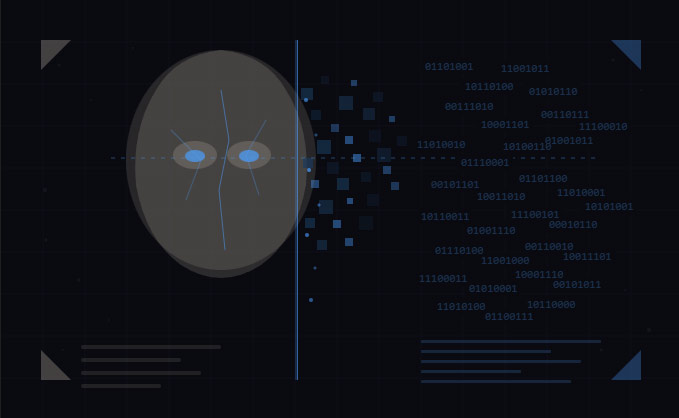
Artificial Intelligence: Because Why Lie Manually When You Can Automate It
This is where 2026 truly enters the conversation.
Once, fake news required effort.
You had to invent the lie, distribute it, and convince people.
Today?
AI does it with industrial efficiency.
You can generate a video, a voice recording, a photo, a “leaked document,” or a speech that was never delivered – all before breakfast.
Truth became just one version among many.
And if everything looks authentic, then nothing really is.
The magnificent irony:
We built machines to find information faster, and now we need more time just to determine whether reality itself is real.
Progress.
In Israel, the Algorithm Barely Needs to Work
Because here, everything is dramatic anyway.
If a cat gets stuck in a tree, within two hours there is a TV panel asking:
“Does This Reflect a Governance Failure?”
If a parliament member sneezes, Twitter is already investigating whether it is an attack on democracy.
We are a nation capable of turning parking in Tel Aviv into a constitutional issue.
So the algorithm mostly sits back with coffee and watches the show.
It does not need to escalate.
We do that ourselves.
It simply sorts it by engagement.
The Most Unpopular Truth: Most People Do Not Want Truth. They Want Comfort
This is the real problem.
People love saying:
“I’m just looking for the truth.”
No.
Most people are looking for confirmation that they were already right.
Truth is often uncomfortable.
It requires doubt.
It requires complexity.
It requires admitting that maybe your side also makes mistakes.
That is difficult.
Much easier to share a post with the caption:
“I told you so.”
The algorithm understands this perfectly.
It does not sell information.
It sells moral satisfaction.
And that is a far more addictive product.
So What Do We Do?
First – calm down.
If every headline is the end of the world, chances are not every headline is accurate.
Second – check the source.
If the report begins with “sources close to the matter,” treat it like an investment opportunity from your uncle.
Carefully.
Third – remember that the loudest voice is not always the most correct.
Sometimes the quiet person simply has not opened a Telegram channel yet.
And fourth – understand that truth does not always arrive in attractive packaging.
Sometimes it is boring.
That is usually a good sign.
Final Conclusion: In 2026, Truth Still Exists – It Just Has No PR Department
Truth did not disappear.
It is simply competing against an entire industry of clicks, manipulation, dopamine, and commentators with excellent studio lighting.
The algorithm does not hate you.
It simply works for whoever pays.
And truth?
It is still sitting quietly in the corner, without filters, without push notifications, and without a digital marketing team.
The conclusion is simple:
If something immediately makes you angry, terrified, or morally superior – stop.
There is a good chance someone just sold you a product, not information.
And in 2026, the most expensive product on the market is still the same old, boring thing:
Truth.
הירשמו כדי לקבל את הפוסטים האחרונים אל המייל שלכם
Discover more from Intelligent is sexy
הירשמו כדי לקבל את הפוסטים האחרונים אל המייל שלכם